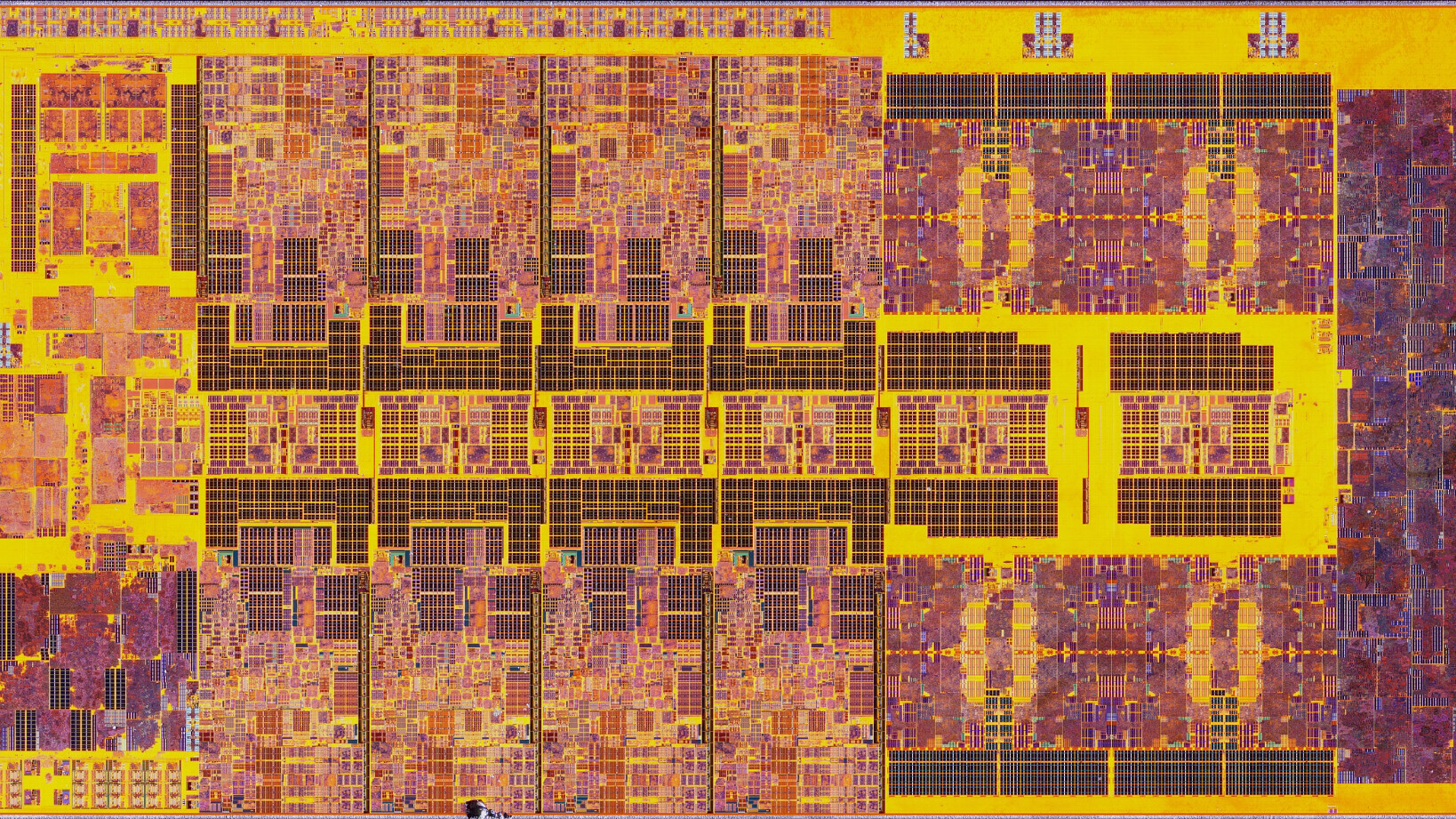
OpenClaw has become the fastest-adopted open-source software ever, outpacing Linux’s decades-long trajectory in mere weeks. NVIDIA’s CEO frames this as a turning point for agentic AI, where token consumption surges by orders of magnitude, straining even the largest hardware deployments.
The shift reflects how AI agents—when deployed in hyper-personalized environments—can replicate human workloads at scale. Unlike traditional AI applications, OpenClaw demonstrates immediate real-world impact, simplifying redundant tasks and creating unexpected demand for compute resources. For enterprises like NVIDIA, this marks a departure from anticipated growth, with token utilization now 1,000 times higher than before.
OpenClaw’s success lies in its ability to execute complex tasks—bulk web searches, image generation, and advanced analysis—through a series of prompts. This eliminates the need for domain expertise, making it accessible while dramatically increasing computational needs. The result is a ‘compute vacuum’ where hardware expansions, no matter how aggressive, struggle to keep pace.
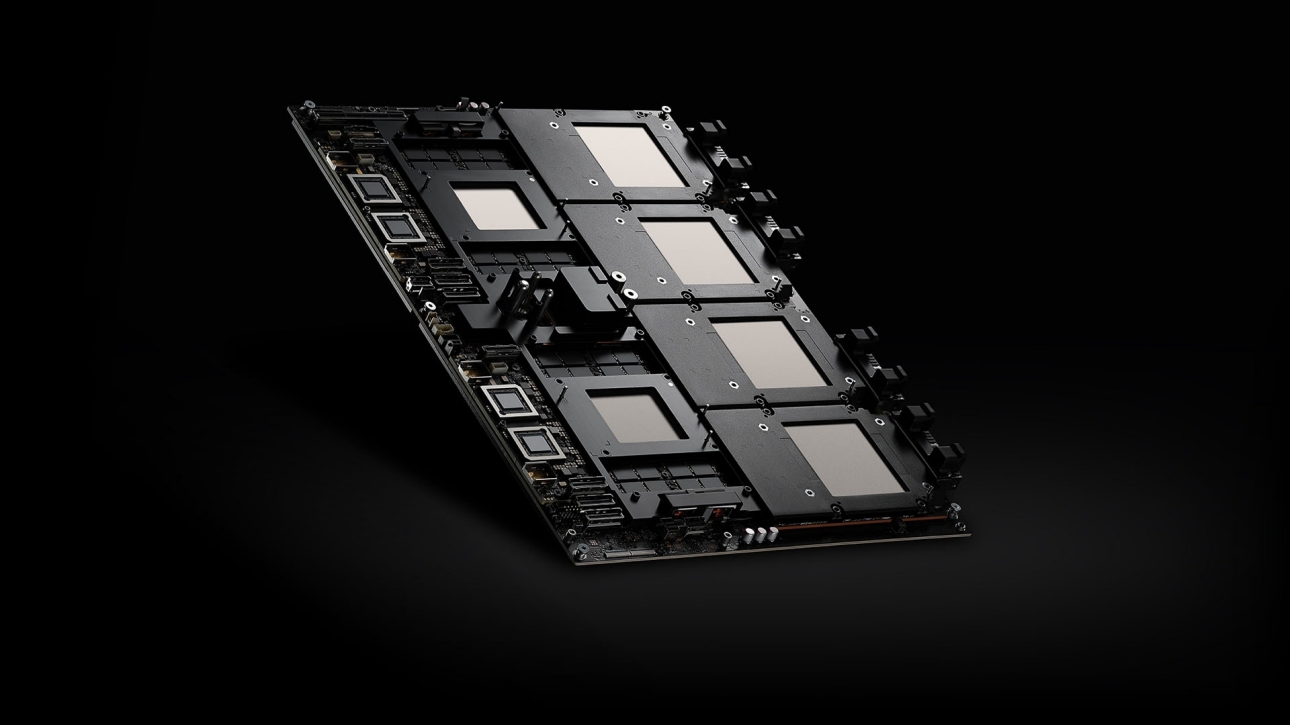
Looking ahead, NVIDIA’s focus on long-context workloads with future architectures like Vera Rubin and ICMS aims to address these constraints. While the current imbalance between compute capacity and token demand remains severe, the industry’s response will determine whether agentic AI can be sustained without further straining infrastructure.