In a move that signals a significant pivot for NVIDIA, the company is preparing to restart production of the GeForce RTX 3060 through Samsung Foundry. This decision comes as the GPU market grapples with ongoing DRAM shortages and shifting demand dynamics, particularly from AI-driven workloads. The RTX 3060, originally launched in 2021 on an 8nm process, is poised for a soft relaunch, leveraging existing manufacturing capacity to ease supply constraints without introducing new hardware.
The reintroduction of the RTX 3060 is not merely a tactical response to scarcity but part of a broader strategy. NVIDIA’s focus on optimizing performance per gigabyte of memory—particularly with models equipped with just 8GB of VRAM—reflects the economic realities of the current market. This approach prioritizes affordability for consumers while mitigating the impact of AI-driven demand on semiconductor supply chains.
- Key Specifications:
- Model: GeForce RTX 3060 (Ampere architecture)
- Memory: 8GB GDDR6
- Process Node: 8nm
- Performance: Designed for high-efficiency gaming and DLSS 4.5 support
The RTX 3060’s return to production is supported by Samsung Foundry’s recent ramp-up of its 8nm process, which has already supplied NVIDIA with chips for the Nintendo Switch 2’s Tegra SoC. This reuse of established manufacturing lines reduces technical barriers and accelerates volume production, making it a viable solution for both NVIDIA and Samsung Foundry in the short term.
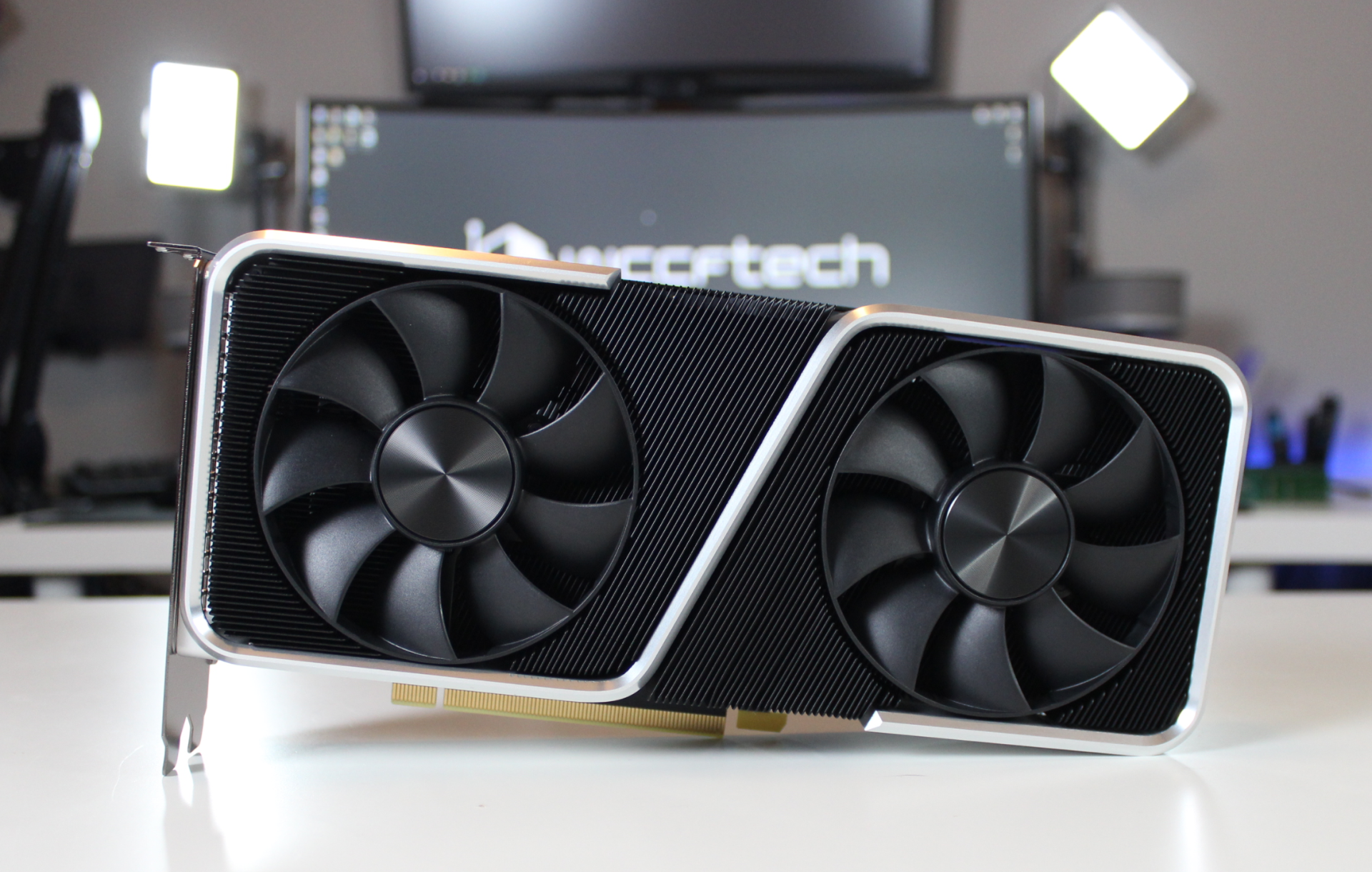
While this strategy addresses immediate supply challenges, it also raises questions about long-term GPU roadmaps. The absence of a clear timeline or pricing for the RTX 3060’s relaunch leaves room for speculation about its market positioning and availability. However, one thing is certain: NVIDIA’s decision to revive an older model underscores the need for adaptability in an industry where memory shortages and AI demand continue to reshape priorities.
Looking ahead, the reintroduction of the RTX 3060 could set a precedent for how GPU manufacturers navigate supply constraints. If successful, it may influence broader trends in GPU design, such as the potential emergence of models like the rumored RTX 5050 with 9GB memory. For now, the focus remains on stabilizing supply without sacrificing performance or profitability.