NVIDIA and AMD are raising the prices of their GPU memory bundles, but the extent of these increases differs significantly between the two companies. While both manufacturers have informed their partners about higher costs for GDDR6 and GDDR7 memory, NVIDIA's adjustment is more modest compared to AMD's. This discrepancy could result in a noticeable gap in GPU pricing, with AMD's models potentially becoming more expensive than NVIDIA's counterparts.
The move comes as both companies grapple with rising costs for memory chips, which are a critical component in modern GPUs. Despite this, neither NVIDIA nor AMD is expected to change their suggested retail prices (MSRP) for the GPUs themselves. However, the increased memory costs will likely be passed down to the add-in-card (AIC) partners, who will then have to adjust their pricing accordingly.
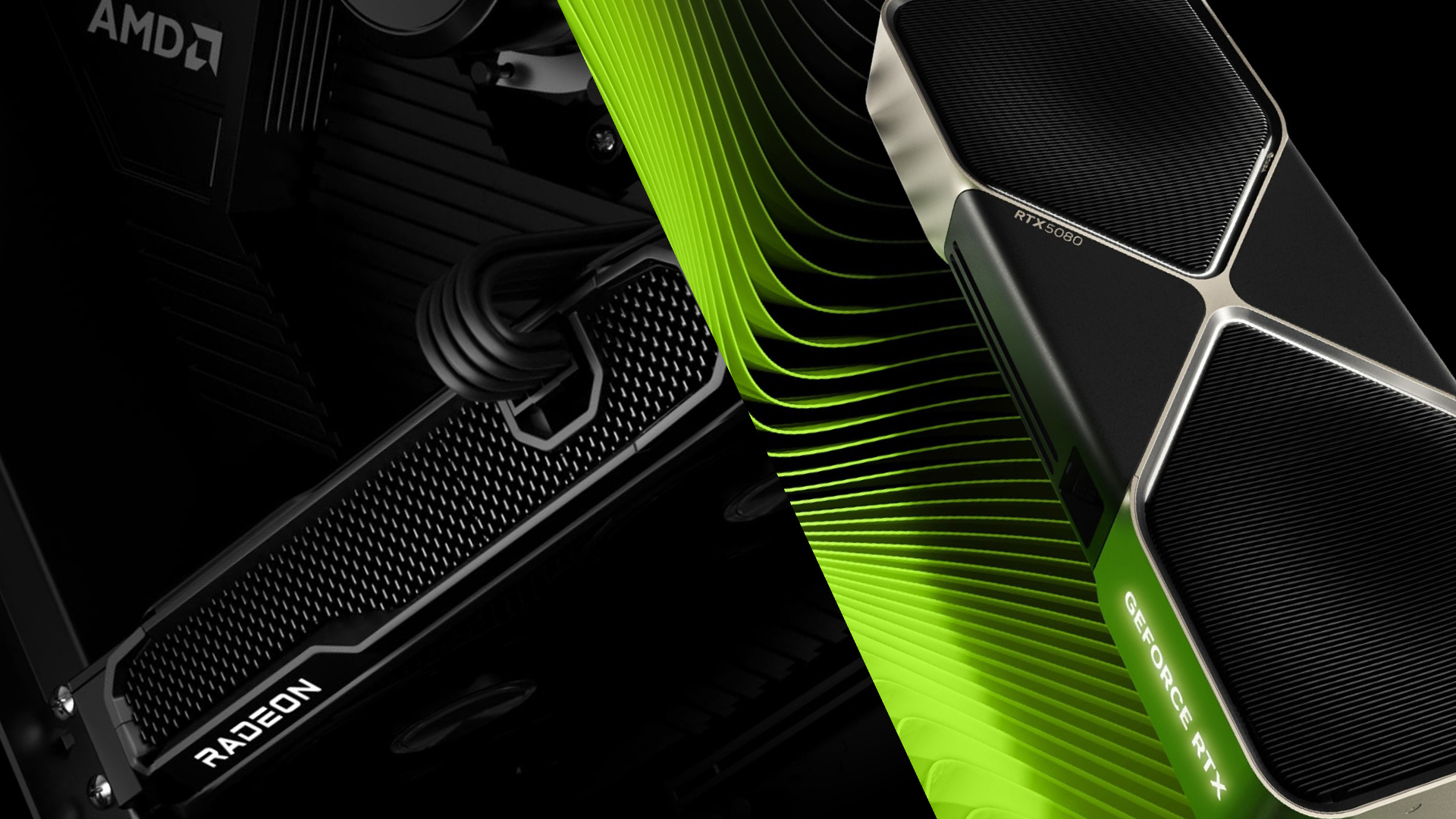
NVIDIA's decision to absorb some of the memory costs has been a key factor in keeping its GPUs affordable for gamers. The company had previously promised to mitigate the impact of rising memory prices on GPU costs. AMD, on the other hand, appears to be focusing more on its higher-end RX 9070 XT models, which could lead to a significant price hike compared to its non-XT variants.
This shift in focus is somewhat puzzling, given that both the RX 9070 XT and RX 9070 use the same NAVI 48 chip. The RX 9070 XT has consistently outsold the RX 9070, making its increased emphasis on this model even more intriguing.
For now, neither company is changing its MSRP for GPUs, but the increased memory costs will likely be reflected in the final prices that consumers see. This could lead to a situation where NVIDIA's GPUs remain more affordable than AMD's, at least for the time being.