The Nintendo Switch 2 has just received an upgrade that could change how legacy titles perform on handheld mode. The new 'Handheld Mode Boost' feature is designed to enhance graphics in older Switch games, making them look closer to their console counterparts. However, the practical impact depends on what gamers can actually access and when.
This isn't just a software tweak—it's part of a broader push to optimize performance without requiring new hardware. The update targets original Switch games, which now benefit from improved textures, smoother frame rates, and better visual fidelity in handheld mode. While the exact improvements vary by game, the goal is clear: bridge the gap between portable and docked experiences.
For gamers deciding whether to upgrade or hold onto their current console, this update adds another layer of consideration. The Switch 2 has already faced supply constraints, but with features like Handheld Mode Boost, the question isn't just about raw power—it's about long-term value. If the boost is as effective as Nintendo claims, it could make the Switch 2 a more compelling choice for those who prioritize both portability and performance.
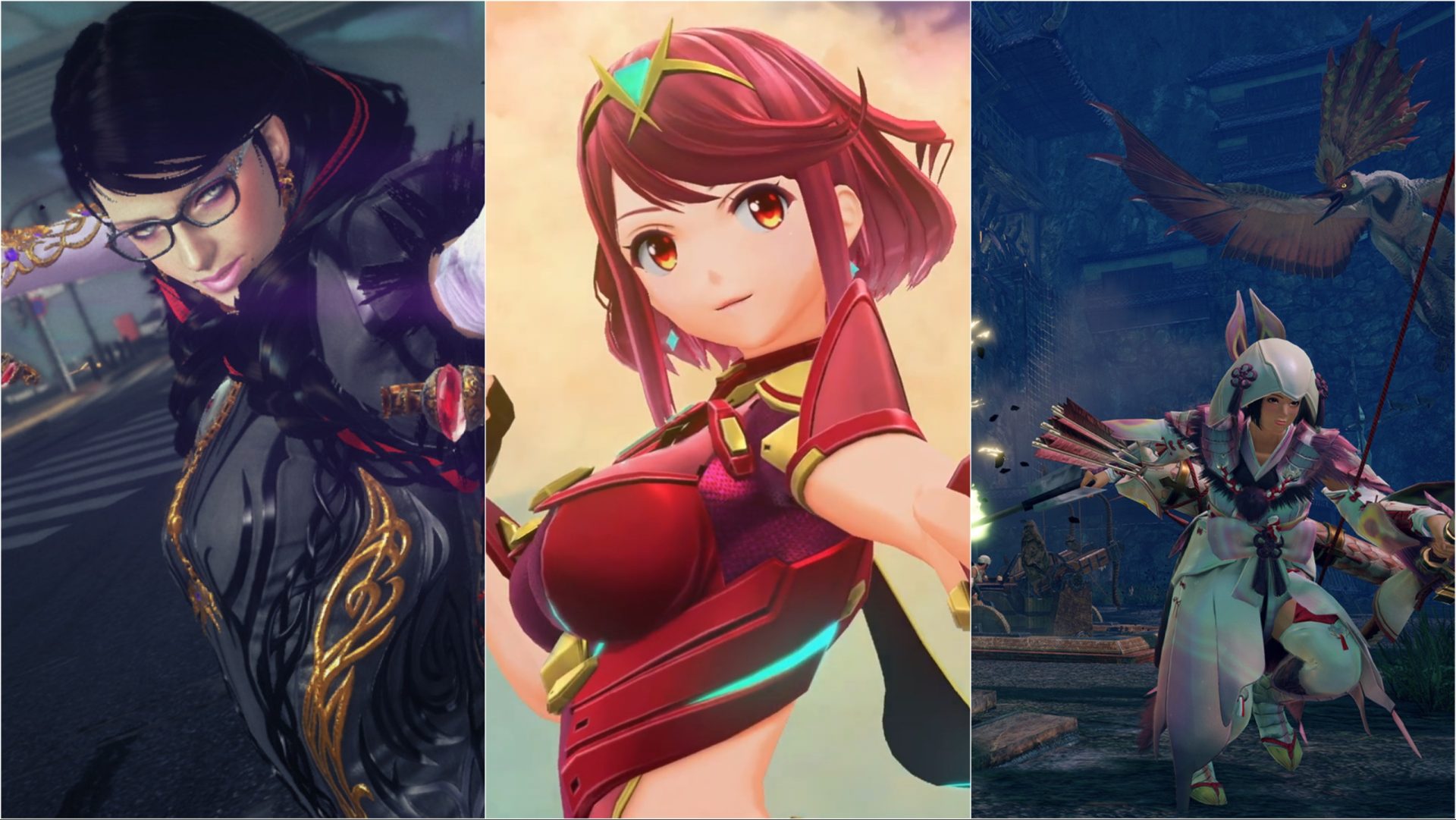
At its core, this update is about future-proofing. The original Switch was revolutionary in its flexibility, but its hardware limitations became more apparent over time. The Switch 2 addresses that with incremental improvements, particularly in how games render on the go. Yet, for those already invested in the first generation, the real decision comes down to whether the upgrade is worth it—and whether Nintendo will continue refining these optimizations.
For now, gamers should expect to see this feature roll out gradually. While there's no word on pricing or supply beyond what's already known, the update signals that Nintendo is committed to evolving its platform without abandoning older titles. The challenge remains: balancing performance with practicality in a market where hardware options are still limited.