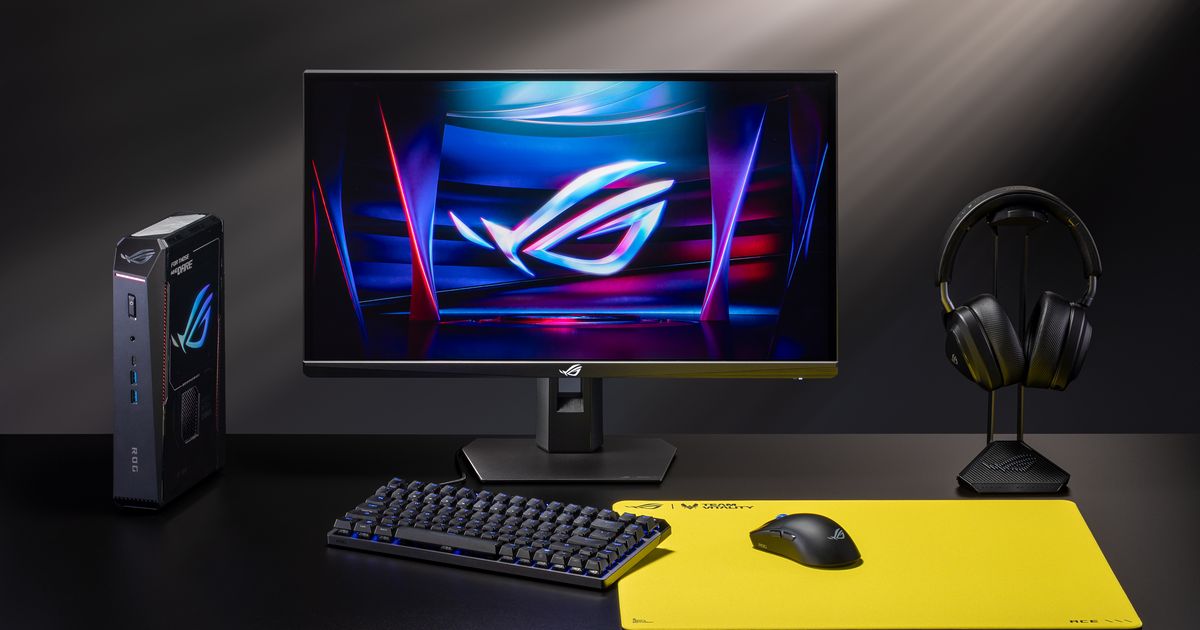
Intel’s transition toward smaller yet more capable processors is now evident in MSI’s latest mini PC lineup. The company has introduced two models—one built around the Core i7 360 'Wildcat Lake' and another featuring the Core Ultra 9 386H 'Panther Lake'—each designed to address specific performance needs while maintaining a compact footprint.
The entry-level model, the Cubi NUC WCG, is engineered for cost-conscious environments where connectivity and reliability are paramount. It houses up to 16 GB of DDR5 memory and supports dual Ethernet ports (one at 2.5 GbE and another at 1 GbE), making it well-suited for client-edge applications such as digital signage or thin-client setups. Meanwhile, the AI+ variant takes a more ambitious approach with the Core Ultra 9 386H, which includes Thunderbolt 5, Wi-Fi 7, and support for up to four display outputs—all packed into a form factor that rivals traditional desktop power supplies.
For Client-Edge Deployments
The WCG model’s design prioritizes affordability without sacrificing essential features. Its three display outputs (two HDMI and one USB-C DisplayPort) and dual Ethernet connectivity ensure seamless integration into existing infrastructure, whether for digital signage or lightweight server roles. While it lacks the advanced connectivity of its AI+ counterpart, its balance of cost and capability makes it a practical choice for environments where high performance isn’t the primary requirement.
For Creators and AI Workflows
The AI+ variant, on the other hand, is built for users with demanding needs. Thunderbolt 5 and Wi-Fi 7 provide low-latency data transfer and high-speed wireless connectivity, making it ideal for creators working with multi-monitor setups or those leveraging Copilot+ features. Its four display outputs eliminate bottlenecks in workflows that rely on high-resolution content or AI acceleration, though the premium comes with a higher price point.
For Everyday Use
Both models share a focus on efficiency, but their tradeoffs become clear when considering real-world applications. The WCG model’s cost-effectiveness makes it less suitable for intensive tasks like 3D rendering or AI training, while the AI+ variant’s advanced specs may be overkill for users with modest display requirements. The choice between them ultimately depends on whether the user prioritizes performance or affordability.
Market Implications and What’s Next
The introduction of these mini PCs reflects a broader industry shift toward integrating high-performance components into smaller, more power-efficient form factors. For businesses or individuals looking to upgrade without investing in full-sized systems, this trend opens new possibilities. However, the decision to choose between the two models will hinge on specific needs—whether it’s the need for high-speed connectivity, multi-display support, or a cost-effective solution.
While exact pricing remains unannounced, the technical capabilities of these mini PCs align with current market demands. For users focused on future-proofing, the AI+ variant’s Thunderbolt 5 and Wi-Fi 7 are standout features, though whether the performance gains justify the investment will depend on individual use cases.
Ultimately, these mini PCs serve as a microcosm of the broader evolution in computing—where power, efficiency, and connectivity converge to redefine what’s possible in compact hardware. For those prioritizing operational cost without compromising on essential features, the WCG model offers a compelling entry point. Meanwhile, creators and AI enthusiasts will find the AI+ variant’s advanced specs hard to ignore.