Windows gamers are stuck in a paradox: Micron is hyping GDDR7 as the solution for next-gen GPU memory demands, yet the company has already exited the consumer memory market—leaving today’s hardware supply strained. The irony is stark. While Micron’s blog post frames GDDR7 as the key to unlocking cinematic-quality gaming and AI-driven workloads, its abrupt pivot away from consumer products means most gamers won’t see the benefits anytime soon.
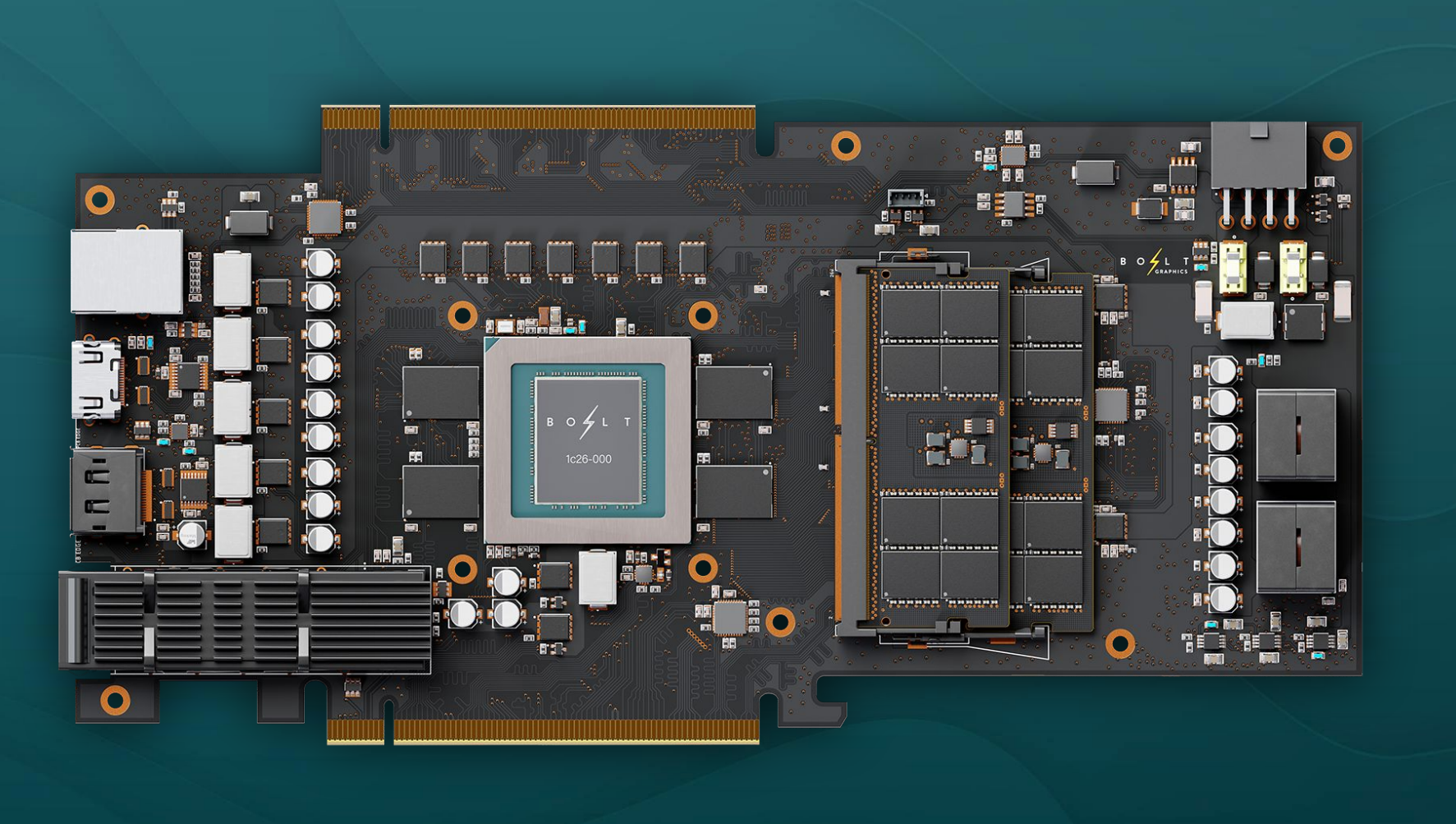
The shift toward GDDR7 isn’t without merit. Micron argues that modern games—with their sprawling open worlds, real-time ray tracing, and AI-assisted rendering—require far more GPU memory than ever before. High-resolution textures, dynamic lighting, and complex geometry demand constant data access, and traditional GDDR6 simply can’t keep up. The result? Texture pop-in, stuttering, and frame drops that plague even mid-range GPUs under heavy loads. Micron’s solution? 96GB of VRAM—a figure that sounds more like a server specification than a gaming requirement.
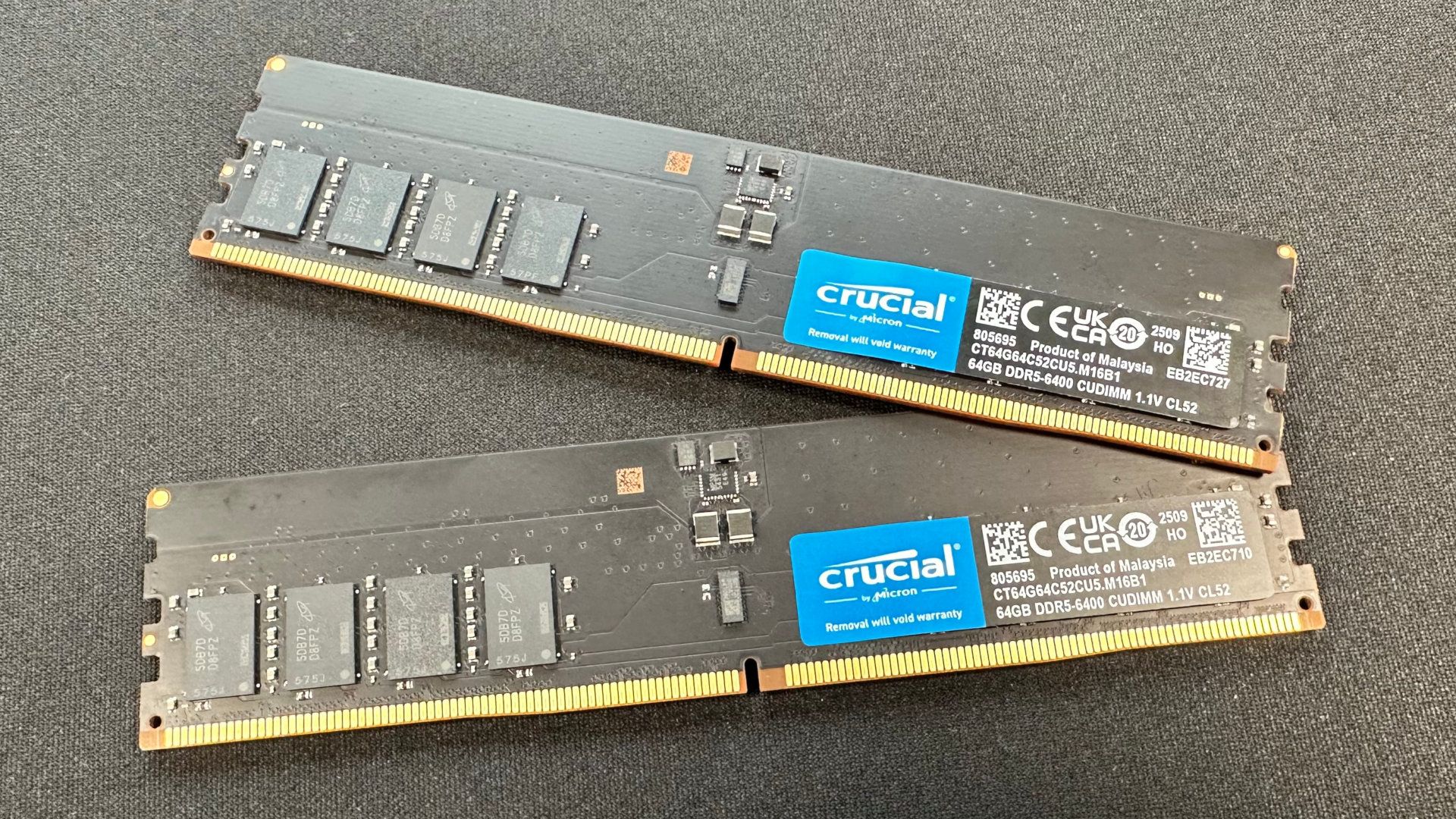
But here’s the catch: Micron’s focus on GDDR7 is forward-looking, while today’s Windows gamers face immediate shortages. Nvidia has already scaled back production of its RTX 5060 Ti 16GB and RTX 5070 Ti models, leaving buyers struggling to find stock. The company’s decision to prioritize AI and data center memory over consumer products means even basic GDDR6 supplies are tightening. For gamers who can’t upgrade to newer architectures, the lack of memory bandwidth is a real bottleneck—not some distant GDDR7 future.
The Windows gaming ecosystem thrives on a balance of innovation and accessibility. Micron’s exit from consumer memory production disrupts that balance, leaving manufacturers and retailers scrambling. While GDDR7 may eventually enable richer visuals and smoother performance, the immediate impact is a market where even entry-level GPUs are hard to find. The message to gamers? Hold tight—help isn’t coming soon.
For those still clinging to RTX 50-series cards, the news isn’t all bad. Micron’s GDDR7 advancements could eventually trickle down, but the transition will take years. In the meantime, Windows users should brace for continued shortages, especially as AI-driven memory demands divert supply chains away from gaming. The question remains: When will GDDR7 stop being a promise and start being a reality for consumers?
Until then, the real bottleneck isn’t memory—it’s the lack of it.