For organizations already invested in existing AI hardware ecosystems, the shift to Meta’s MTIA architecture introduces a critical question: Will the benefits outweigh the costs of transitioning? The risk of compatibility issues looms large. Developers who have built applications around current GPU or accelerator frameworks may face significant software adjustments, potentially delaying deployments or increasing operational expenses.
Meta’s roadmap suggests that these challenges could be mitigated through strategic partnerships with software vendors. If successful, this collaboration could smooth the integration of MTIA chips into development workflows, reducing friction for teams adopting generative AI models. However, without concrete evidence of seamless interoperability, some developers may opt to wait, preferring stability over unproven optimizations.
Another uncertainty lies in the performance claims themselves. While Meta has a track record of pushing boundaries in hardware innovation, previous generations of accelerators have not always met or exceeded expectations under real-world conditions. Independent benchmarks will be essential in determining whether MTIA chips deliver the promised latency improvements and power efficiency gains.
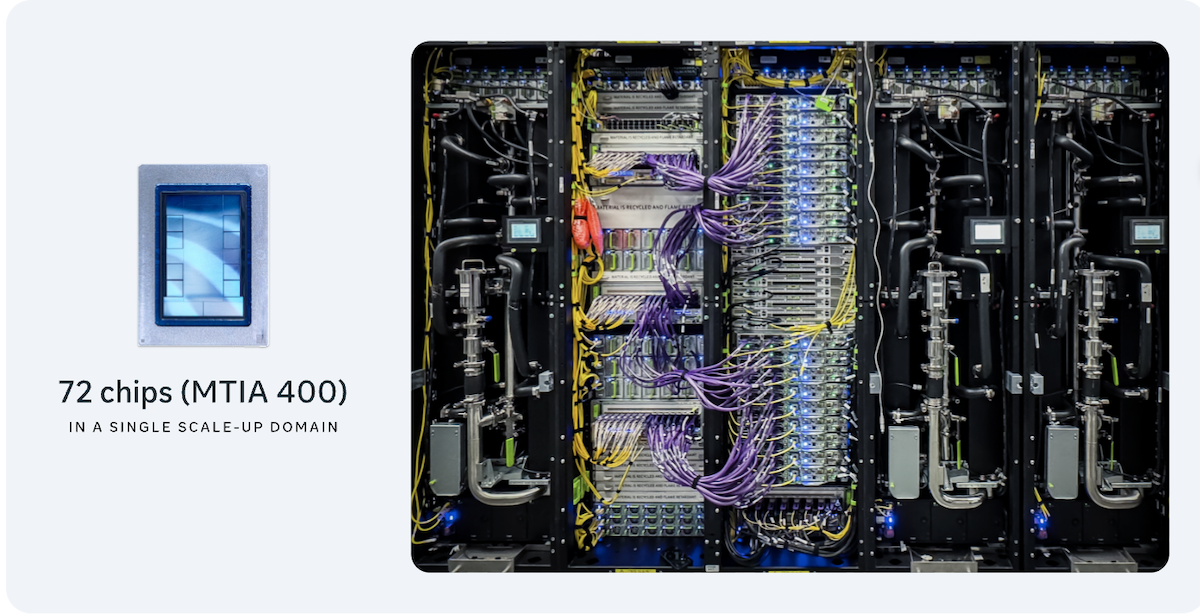
If the roadmap succeeds, the implications for the AI landscape could be profound. Generative AI applications—ranging from real-time language translation to advanced computer vision—may see accelerated adoption as hardware becomes more responsive and energy-efficient. This could democratize access to sophisticated models, enabling smaller teams or edge devices to compete with enterprise-grade systems.
Yet the roadmap’s success hinges on execution. Meta must balance aggressive performance targets with practical considerations like cost, power consumption, and ease of adoption. The first generation, slated for late 2024, will set the tone for what follows. If it delivers on its promises, subsequent iterations—particularly those targeting mid-2025—could redefine benchmarks for AI inference hardware.
For now, developers must weigh the potential against the risks. The promise of optimized chips tailored to generative AI workloads is compelling, but the path to adoption remains uncertain. One thing is clear: Meta’s MTIA roadmap is not just a hardware announcement; it’s a bet on the future direction of AI inference—and whether that bet pays off will shape the industry for years to come.