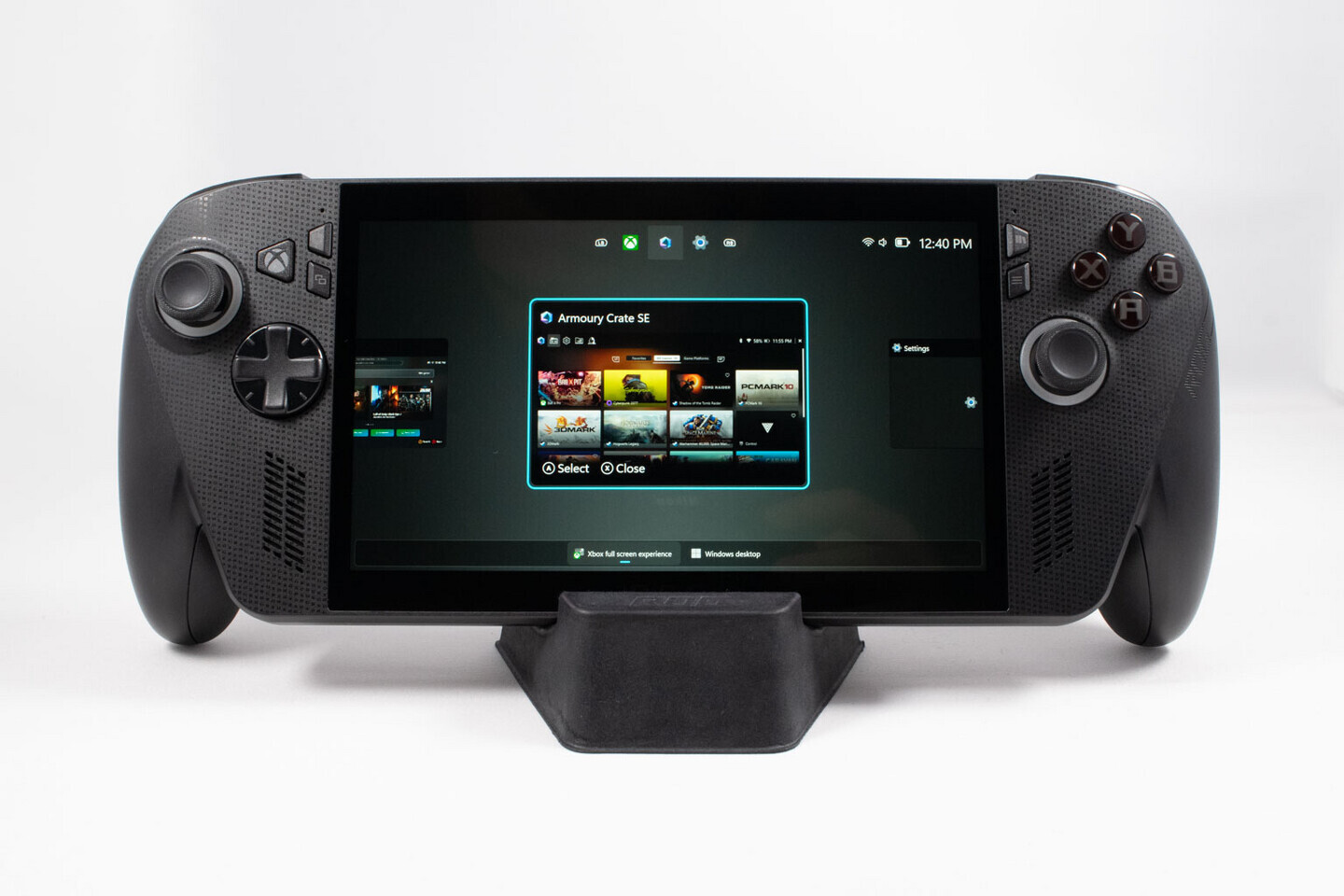
The gaming industry’s slow but steady shift toward Linux support took a setback with the announcement of Marathon, an upcoming shooter that will rely on BattlEye’s kernel-level anti-cheat system. Unlike Valve’s Steam Deck and other Linux-powered devices, which have seen growing adoption among gamers, Marathon will not be playable on these platforms—a decision that underscores the persistent gaps in multiplayer game compatibility for Linux users.
BattlEye, a widely used anti-cheat solution, does offer Linux compatibility in theory, but actual implementation is left to developers. Bungie, the studio behind Marathon, has not enabled Linux support for its other BattlEye-protected title, Destiny 2, suggesting that such support may not be prioritized for Marathon either. This leaves Linux gamers—who now make up nearly 4% of Steam’s user base, according to recent data—excluded from a major multiplayer release.
The exclusion is particularly notable given the broader trend of developers accommodating Linux users, often in response to demand from Steam Deck owners. Yet Marathon’s approach signals that some studios remain hesitant to embrace Linux, whether due to perceived risks or simply a lack of incentive to expand support.
Key Details
- Anti-Cheat: BattlEye (kernel-level)
- Linux Support: No confirmed implementation for Marathon
- Steam Deck Compatibility: Unlikely, given Bungie’s stance on Destiny 2
- Linux Market Share: 3.8% of Steam users (as of latest survey)
For Linux gamers, the lack of support in Marathon is a reminder that progress is uneven. While some developers have embraced Linux—particularly for handheld gaming—the exclusion of others means the platform remains a second-tier choice for multiplayer experiences. The question now is whether this will push more studios to reconsider or if Linux will continue to be sidelined in favor of traditional Windows-based gaming.