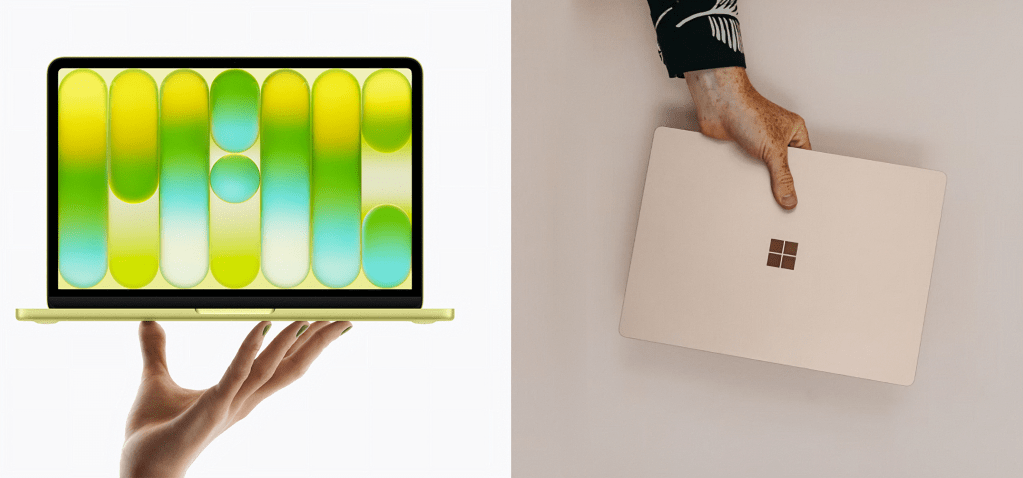
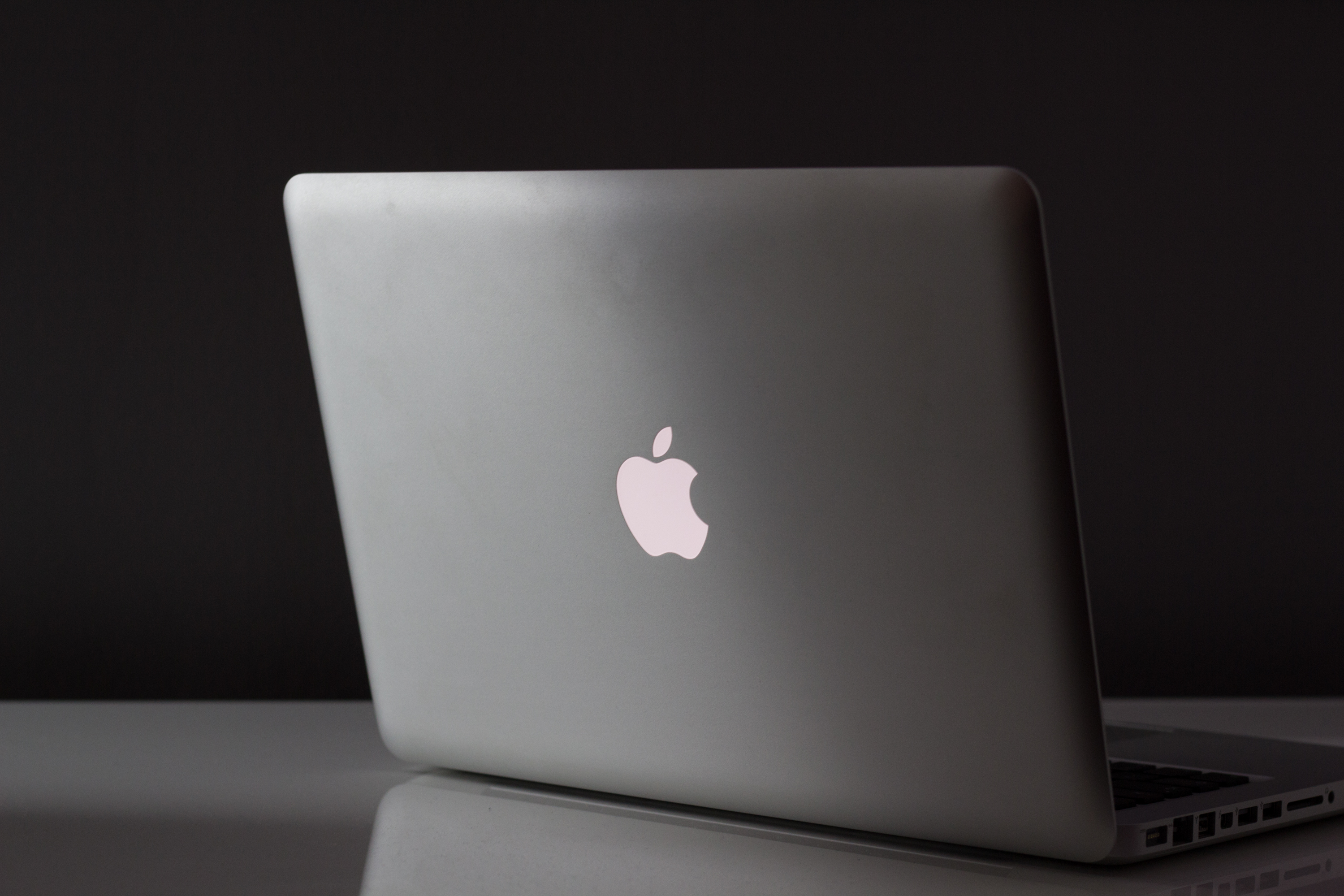
The MacBook Neo's display has received an unexpected upgrade—a manually adjustable setting that can almost replicate the image quality of Apple's premium mini-LED MacBook Pro. This change isn't just about visual fidelity; it reflects a broader strategy to align the ecosystem while maintaining efficiency, particularly for creators who demand both power and portability.
Traditionally, the MacBook Neo has relied on standard LCD panels, offering decent brightness but lacking the contrast and color depth of its pro counterpart. The new setting introduces a level of control previously unseen in consumer laptops, allowing users to tweak display behavior without requiring hardware changes. This is a notable departure from Apple's usual approach, which often prioritizes uniformity over customization.
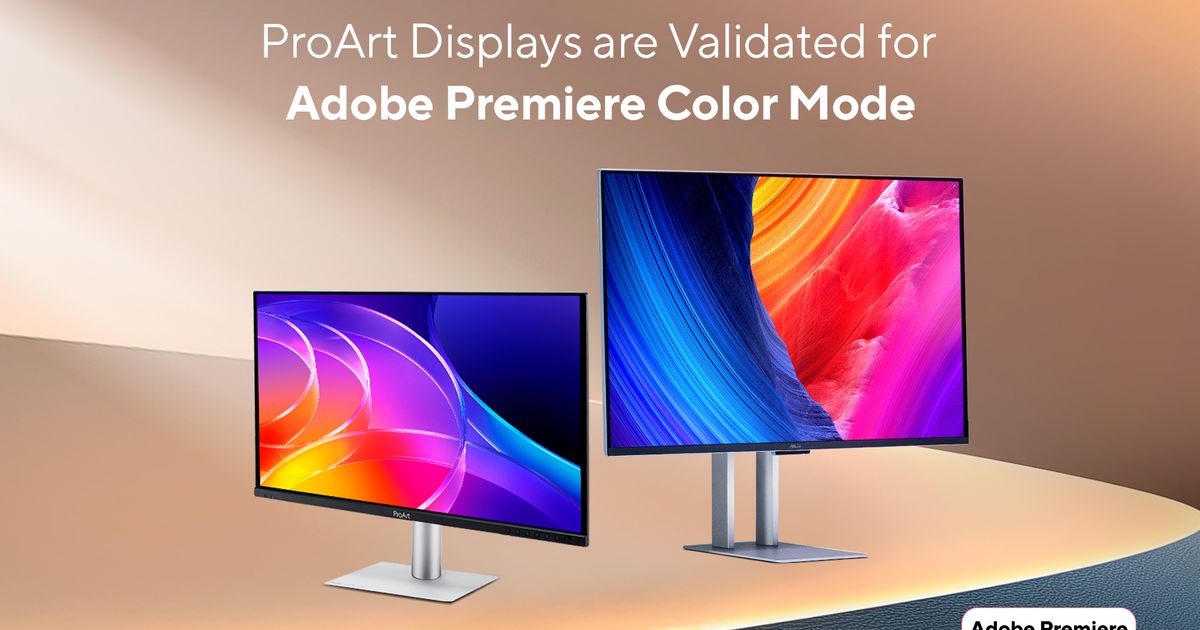
The adjustment appears to fine-tune local dimming zones, though the exact mechanism remains unclear. What is confirmed is that this setting can significantly improve perceived image quality—bringing it closer to the mini-LED experience—without draining battery life as aggressively as a full upgrade would. For creators working with color grading or video editing, this could mean more accurate on-screen representation without sacrificing runtime.

Reaction from the community has been mixed but largely positive. The ability to adjust display behavior mid-use is seen as a practical solution for those who can't afford the pro model but still need near-pro performance. Concerns remain about long-term stability, however, since this appears to be a software-driven workaround rather than a permanent hardware shift.
This move also raises questions about Apple's broader strategy. By introducing such a setting without a full hardware revamp, the company may be testing waters for future updates or addressing supply-chain constraints that have limited mini-LED adoption in consumer models. Whether this is a temporary fix or the start of a new direction remains to be seen.
For now, users with the MacBook Neo can enable the setting and experience a noticeable boost in display quality—one that comes without the premium price tag. It's a small change with potentially big implications for how Apple balances performance, cost, and ecosystem cohesion moving forward.