The MacBook Air M5 base model arrives with 512 GB of SSD storage—a figure that stands out sharply against today’s memory crisis. While other PC makers struggle to pass on rising component costs, Apple has managed to double the standard storage capacity without a proportional price hike.
Pricing reflects this shift: the M4 model started at $999 with 256 GB of storage, but the new M5 version begins at $1,099 for 512 GB. When accounting for inflation and previous price points, the M5’s base configuration is actually more affordable in real terms than its predecessor.
Of course, the upgrade isn’t just about storage. The M5 chip brings performance improvements, but it’s the storage expansion that feels most significant in today’s market. Most PC manufacturers are raising prices due to skyrocketing RAM and SSD costs, yet Apple has done the opposite—delivering more capacity for less.
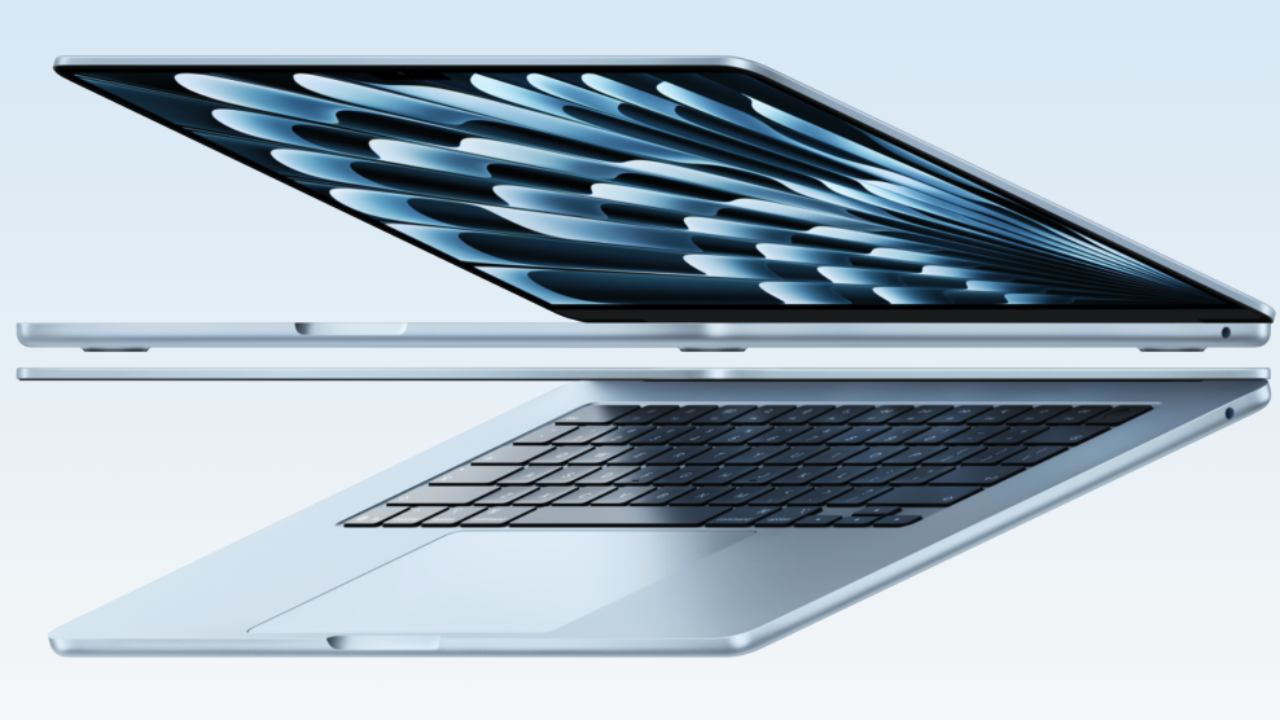
- Key specs:
- Base model storage: 512 GB (double the previous 256 GB)
- Starting price: $1,099 (up from $999 for the M4)
- Chip: Apple M5
The question is how Apple achieved this. Scale and long-term supplier contracts likely play a role—Apple’s massive orders across iPhones, iPads, and other devices give it significant negotiating power. Even in today’s tight market, suppliers may prioritize Apple to avoid losing a major customer.
This isn’t just about margins, though. Apple has historically charged premium prices for upgrades, so its ability to absorb cost increases is well-documented. The M5 model continues that tradition while delivering more storage out of the box—something most other PC makers can’t match right now.
The broader industry faces a challenging period with memory prices expected to remain high until at least 2028. If Apple’s approach becomes the norm, it could force competitors to rethink their strategies—or risk losing market share to a brand that refuses to compromise on capacity.