Lithium-ion batteries are the backbone of modern technology, powering everything from smartphones to electric bicycles with remarkable efficiency. Yet their compact design conceals a critical flaw: thermal runaway. This chain reaction can transform a device into an inferno in minutes, turning a routine charge into a life-threatening scenario. The danger isn’t abstract—it’s tied to everyday decisions, from the surface beneath your charger to the accessories you plug in.
The root of the problem lies in heat management. Soft surfaces like mattresses or carpets trap heat, preventing natural dissipation and allowing temperatures to climb unchecked. Meanwhile, multi-port chargers, though convenient, can overload circuits when multiple high-drain devices draw power simultaneously, creating localized hotspots that go undetected until it’s too late.
Hidden Dangers: Where Heat Becomes a Threat
The most overlooked risks start with location. Charging a smartphone on a pillow or blanket doesn’t just feel comfortable—it insulates the device, trapping heat and preventing cooling. Even materials like silicone or leather, designed for durability, act as additional layers of insulation, worsening the problem. The issue isn’t limited to small devices; e-bike batteries, which can hold the energy equivalent of hundreds of smartphones, pose a far greater threat when stored improperly.
Placing an e-bike battery on a basement shelf or near an exit path turns a potential fire into a structural hazard. Unlike smaller lithium-ion cells, these require specialized containment—fireproof bags or safety boxes—to delay ignition long enough to evacuate safely. The difference in scale means that what might be a manageable incident with a phone becomes a full-blown emergency with larger batteries.
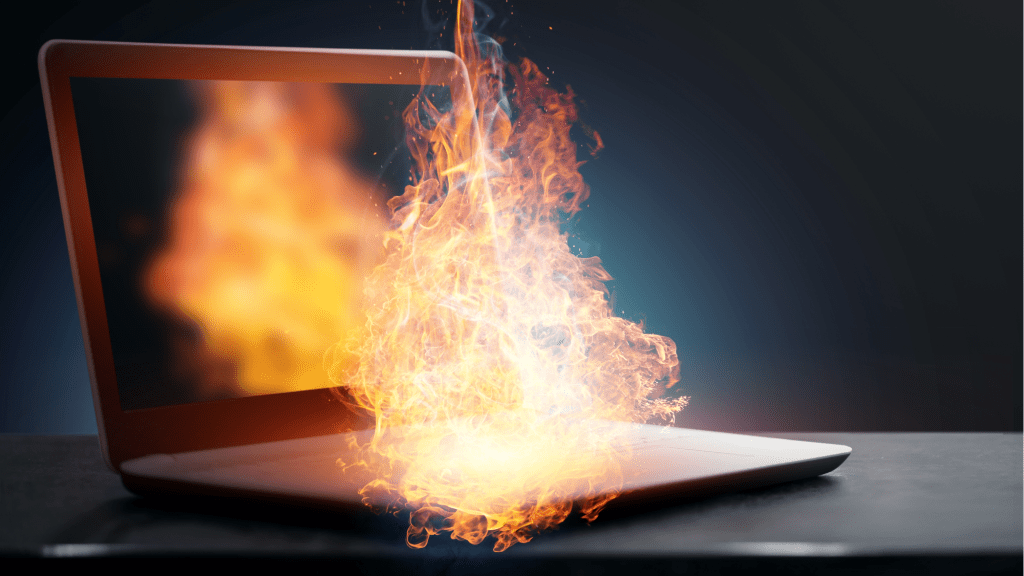
When Flames Ignite: Immediate Response and Safety
If a lithium battery fire does start, the first priority is evacuation. Toxic fumes from burning lithium can linger long after the flames are out, posing risks to lungs and nerves. Water, while effective for small batteries, can exacerbate reactions in larger ones, making it a less reliable solution. Instead, sand, salt, or a specialized fire blanket works by smothering the reaction and isolating heat. In some cases, a metal shovel can be used to move a burning battery outdoors safely, though this should only be attempted with extreme caution.
Prevention, however, is far simpler than intervention. Charging devices on hard, non-flammable surfaces—such as tile or bare wood—allows heat to dissipate naturally, reducing the risk of thermal runaway. Keeping devices at least 20 inches away from pillows or soft furnishings gives critical seconds in an emergency. For e-bike batteries, a dedicated charging station, far from escape routes and high-risk areas, minimizes the potential for catastrophic fire.
Stable Chemistry: A Safer Path Forward
Not all lithium batteries are created equal. LiFePO4 (lithium iron phosphate) chemistry offers a more stable alternative to traditional lithium-ion, resisting thermal runaway even after mechanical damage. This makes it the preferred choice for home energy storage and high-capacity power banks, balancing longevity with performance without sacrificing safety.
The key to mitigating risk isn’t complexity—it’s consistency. Avoiding cheap or uncertified chargers, regularly inspecting cables for damage, and immediately addressing signs of overheating can prevent fires before they start. Small adjustments, like choosing the right surface for charging or opting for safer battery chemistry, don’t require significant effort but can drastically reduce risk. The goal isn’t to live in fear; it’s to treat batteries with the respect their high-energy nature demands.