China-based hardware manufacturer Lisuan has entered a new phase in its product lifecycle with the debut of three graphics card variants—one aimed squarely at gamers, two engineered for AI and professional workloads. The move arrives at a moment when IT teams are increasingly scrutinizing long-term platform compatibility and efficiency gains, making timing and upgrade decisions more critical than ever.
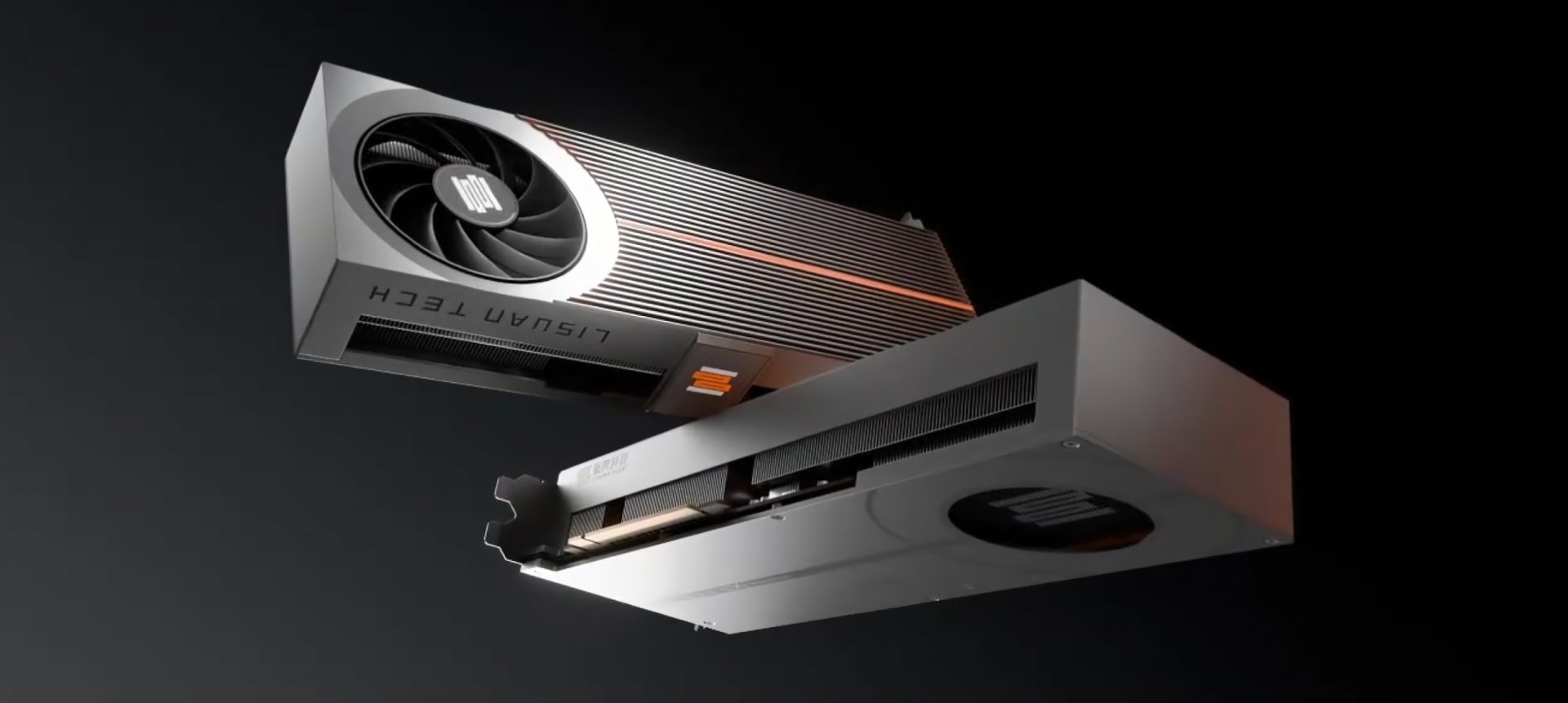
The Lisuan Extreme is the company’s latest addition to its gaming-focused portfolio, joining the newly announced LX PRO and LX AI cards. While all three share a common architecture, they diverge sharply in their target use cases: raw performance for gamers versus optimized efficiency for AI inference and professional rendering.
Performance with Purpose
The Lisuan Extreme stands out for its straightforward approach to gaming performance. It packs 16 GB of GDDR6 memory running at a 17 Gbps effective speed, paired with a custom GPU core that clocks in at up to 2.4 GHz. This configuration positions it as a mid-to-high-end option, capable of handling 1440p gaming at high refresh rates while leaving room for future-proofing without immediate upgrade pressure.
- Display: Supports dual 4K outputs or a single 8K output via HDMI 2.1 and DisplayPort 1.4a
- Memory: 16 GB GDDR6, 17 Gbps effective speed
- GPU Core: Custom architecture, boost clock up to 2.4 GHz
- Power: 300W TDP with a dual-fan cooling system and two 8-pin PCIe power connectors
- Connectivity: HDMI 2.1, DisplayPort 1.4a, USB Type-C (DisplayPort Alt Mode)
For IT teams, the real story lies in the LX PRO and LX AI variants. Both retain the same memory configuration but introduce a more power-efficient GPU core designed to reduce thermal throttling under sustained loads—a key consideration for data centers and workstations running 24/7. The LX AI variant adds hardware-accelerated inference support, making it a direct competitor in the growing market for edge AI deployments.
Efficiency vs. Lock-In
The trade-off is clear: the Lisuan Extreme delivers uncompromised gaming performance but comes with higher power draw and no built-in AI optimizations. In contrast, the PRO and AI versions sacrifice a fraction of peak gaming performance to improve thermal efficiency and longevity—critical factors for IT teams evaluating platform lock-in over multiple upgrade cycles.
Pricing has not been confirmed at this stage, but industry benchmarks suggest the Extreme model will sit just below NVIDIA’s RTX 4080 in cost, while the PRO and AI variants may offer a premium efficiency ratio. For buyers, the decision hinges on whether they prioritize immediate performance gains or long-term platform stability and power savings.
Where things stand now: IT teams should treat this launch as a signal rather than an immediate purchase trigger. The lack of third-party driver support outside China and unconfirmed global availability mean that early adopters will need to weigh the risk of vendor lock-in against the potential for efficiency gains in AI workloads.