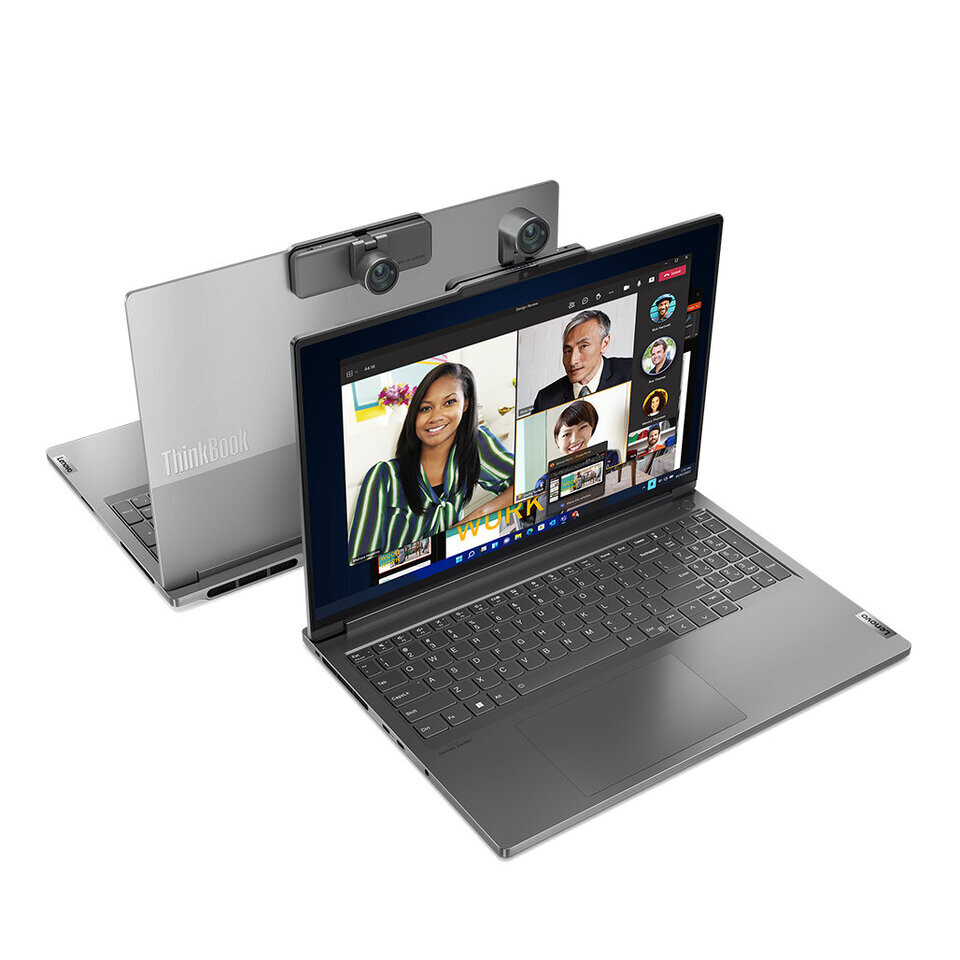
Lenovo’s Magic Bay accessory system, once a niche feature for ThinkBook laptops, is poised to become an open platform in 2026. The company plans to release electronic and mechanical schematics, allowing third-party manufacturers to design compatible modules—ranging from high-resolution cameras to mini HUDs.
This shift toward openness comes alongside the introduction of Magic Bay to two unannounced ThinkBook models: the ThinkBook 14+ and ThinkBook 16+. More models are expected to adopt the system in subsequent years, expanding its reach beyond Lenovo’s current lineup.
The proprietary connection mechanism—using magnets and pogo pins—has already demonstrated versatility, but third-party support could accelerate innovation. For example, a 4K webcam with integrated speakers was among the first add-ons, hinting at future possibilities like modular displays or advanced audio setups.
While Lenovo has not confirmed an exact launch window for the new ThinkBook models, industry trends suggest a September 2026 debut. The company’s previous refresh cycle aligns with this timeline, though global RAM shortages could introduce delays.
The Magic Bay ecosystem is still in its early stages, but its potential to redefine laptop customization is clear. If third-party developers embrace the platform, users may soon see a wider variety of form factors and functionalities—from productivity-focused add-ons to entertainment-oriented upgrades.