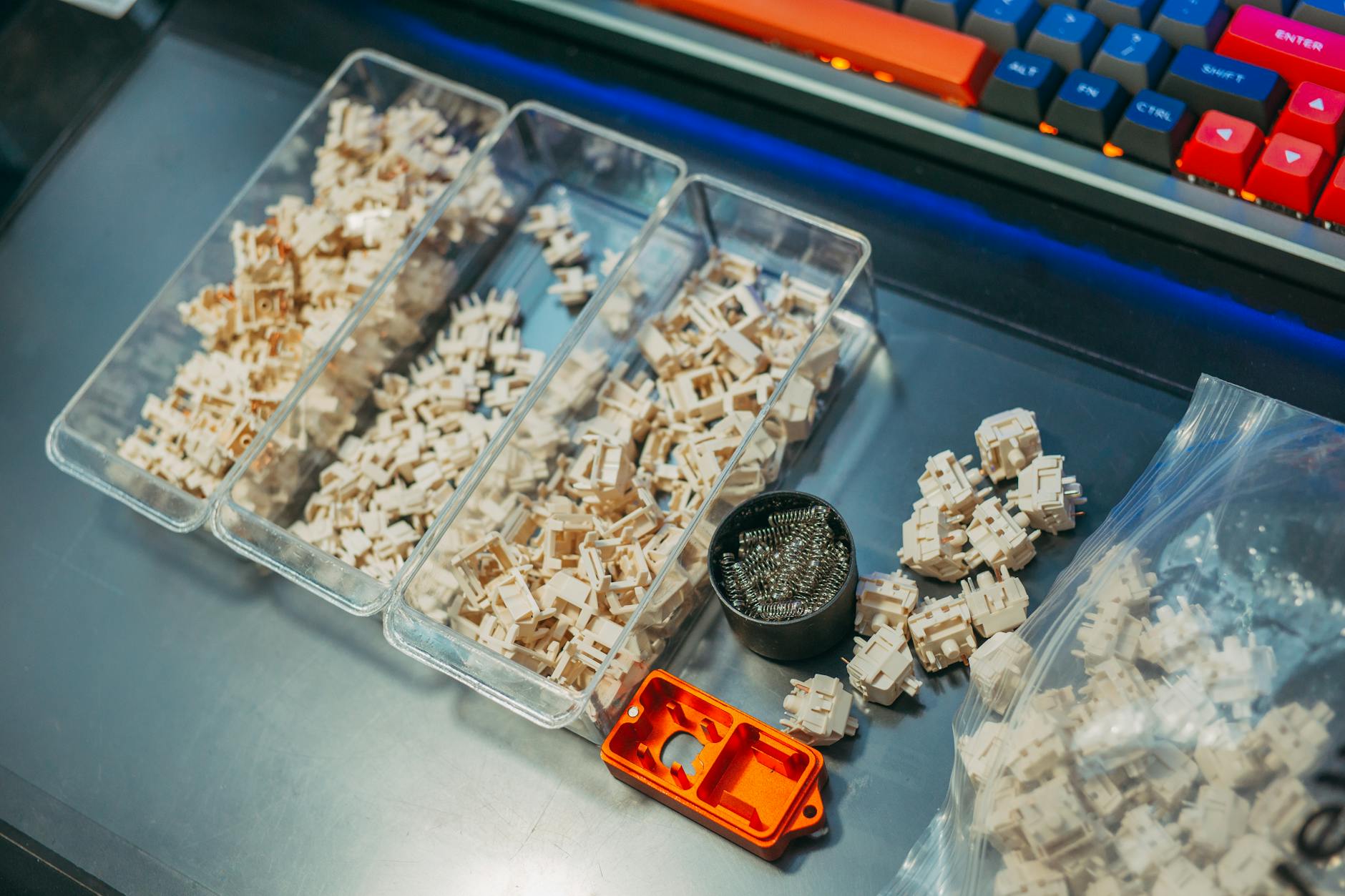
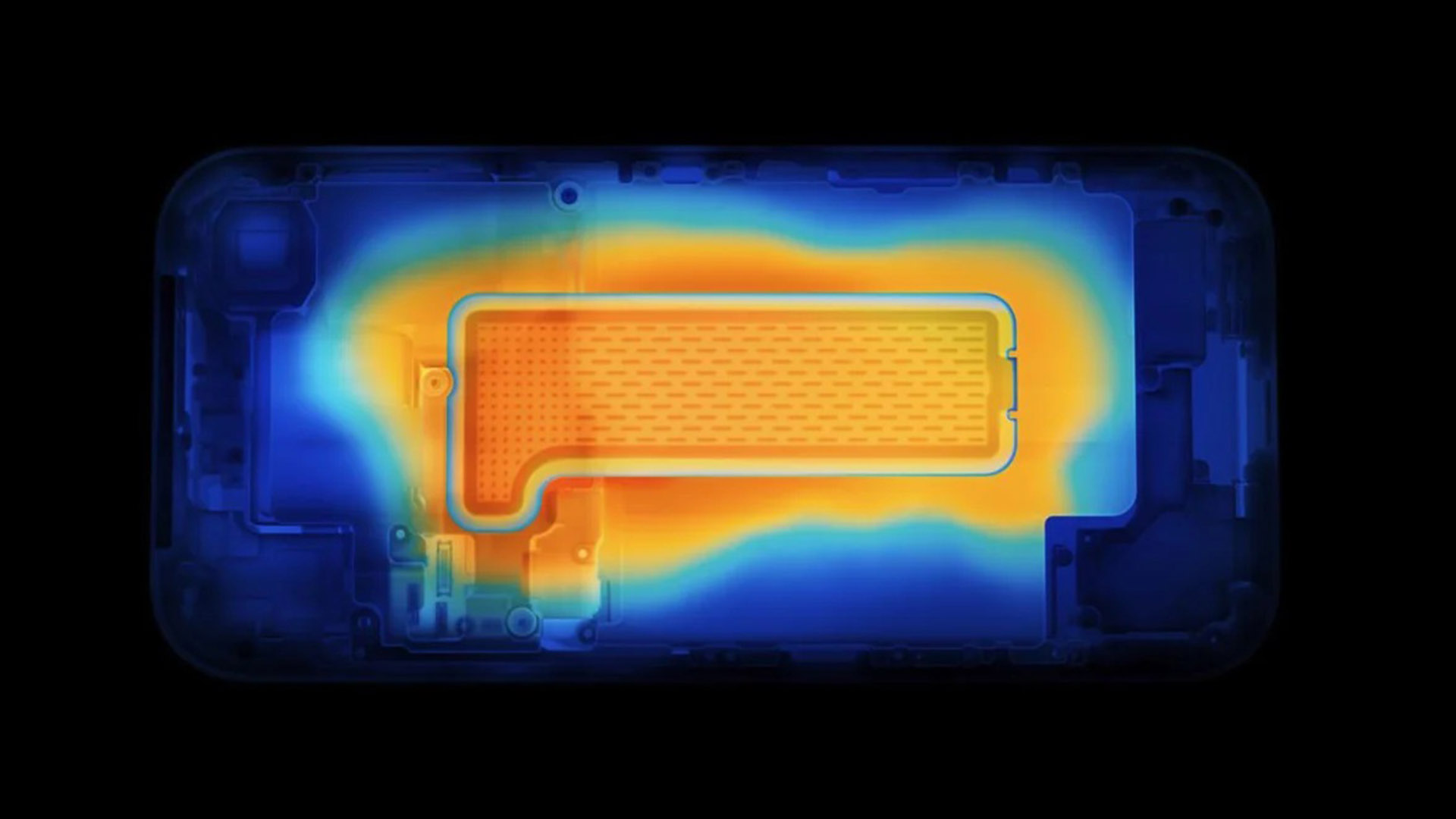
buyers in 2026 may face significantly higher prices, with some models expected to cost up to 40% more than today’s offerings. The increase stems primarily from surging component costs, particularly for RAM and CPUs, which are becoming the dominant expense in device manufacturing.
The shift is being driven by a dual pressure point: memory modules, including both DRAM and storage chips, have seen their cost share jump from around 15% to over 30% of a laptop’s total bill of materials. This alone could inflate prices by nearly a third if manufacturers aim to maintain profit margins.
Key specs and cost drivers
- Memory costs: RAM and storage now represent more than 30% of a laptop’s total cost, up from around 15% in recent years. This shift is expected to continue, with memory prices potentially doubling their current share by 2026.
- CPU pricing: Intel has already increased prices for entry-level processors by over 15%, and further hikes are likely. CPUs currently account for a significant portion of laptop costs, adding to the upward pressure on overall pricing.
The rise in memory and CPU costs is not an isolated trend but part of a broader tightening in supply chains. Factories that once produced a balanced mix of chips for consumer devices, data centers, and AI applications are now prioritizing high-end components for these newer markets. This reallocation has left fewer chips available for mainstream laptops, further squeezing margins.
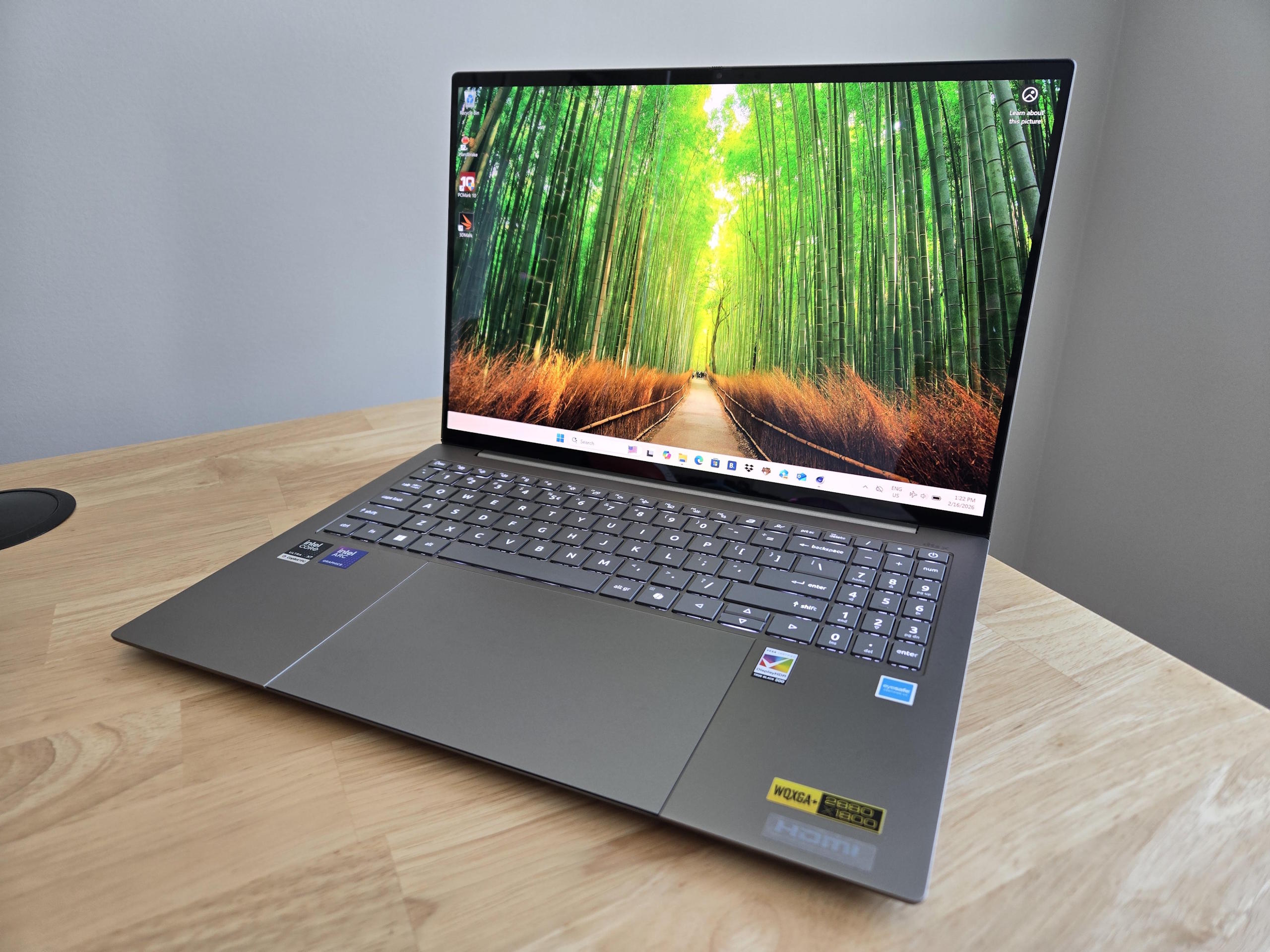
Reality check: tradeoffs ahead
The increase in component costs could force manufacturers to make tough choices about which features to include—or exclude—in future models. Smaller businesses, in particular, may need to weigh the long-term benefits of upgraded hardware against the immediate financial impact of higher prices.
For small businesses planning to invest in new laptops, the coming year could present a critical juncture. While the performance gains from newer CPUs and more memory are undeniable, the cost implications may require careful budgeting or even a delay in upgrades until prices stabilize. The exact impact on pricing will depend on how aggressively manufacturers pass along these costs to consumers.
What is confirmed: mainstream laptop prices could rise by up to 40% in 2026 due to higher RAM and CPU costs, with memory now accounting for over 30% of a laptop’s total cost. What remains unconfirmed: the exact timing of price hikes and whether manufacturers will introduce new models to balance cost increases.