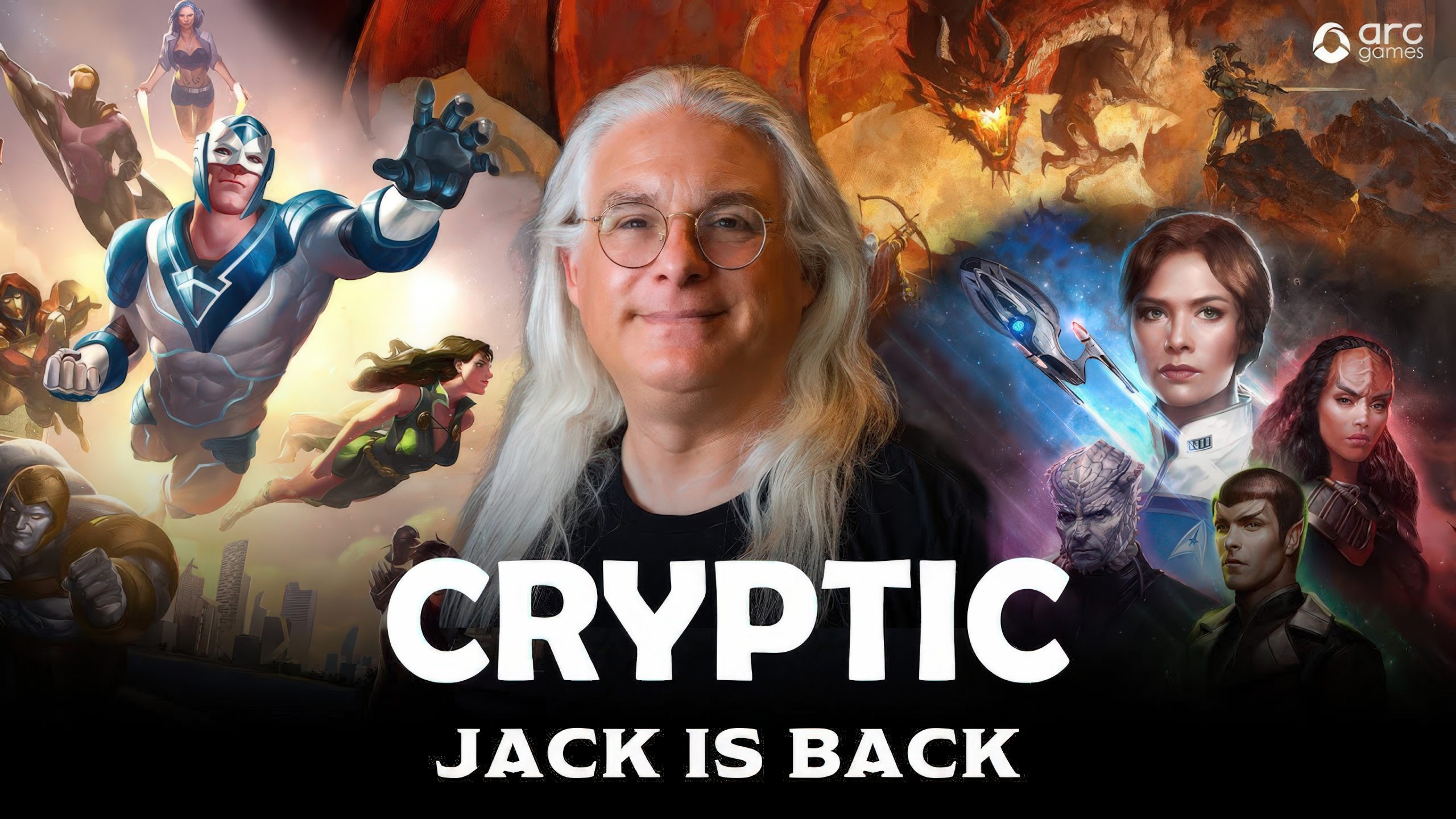
For fans of Neverwinter, Star Trek Online, and Champions Online, the past decade has felt like a slow fade. Updates trickled in, but the games—once pillars of the MMO genre—seemed to lose momentum. That changes today, as Cryptic Studios welcomes back its original architect, Jack Emmert, as CEO. His return isn’t just nostalgic; it’s a deliberate reset for a studio now free from corporate constraints, with a clear mandate: prove that classic MMOs can still thrive.
Emmert’s journey back to Cryptic is more than a homecoming. It’s a statement about the future of the genre. After leaving in 2015, he spent years navigating the highs and lows of MMO development—from leading DC Universe Online at Daybreak to founding Jackalyptic with NetEase, where a Warhammer-based MMO ultimately fell victim to industry shifts. Now, he’s returning to a studio that’s no longer tied to Embracer Group, but instead operates under the ownership of Arc Games’ management team, a group he respects for their hands-on approach.
What’s different this time? The answer lies in three key shifts
- Independence: Cryptic is no longer beholden to a parent company’s quarterly expectations. Emmert emphasizes that the studio now controls its own destiny—something rare in today’s gaming landscape.
- Remote-first culture: The majority of the team works remotely, a model Emmert champions for its focus on quality of life and adaptability. It increases the quality of life a lot, he notes, though he acknowledges communication challenges require discipline.
- A player-first mindset: Emmert isn’t just overseeing the games; he’s diving back in as a player. Unless I know those games as a player, I don’t really offer much to the teams, he says. His hands-on approach extends to content decisions, platform expansion, and even accessibility—like adding long-overdue controller support to Neverwinter’s PC version.
The studio’s current slate of games—all over 15 years old—presents both a challenge and an opportunity. Emmert is bullish on their potential, particularly Champions Online, which he describes as underrated. While Star Trek Online and Neverwinter have seen recent updates, Champions has lagged. That’s about to change. If you play Champions and you love it, come back, he urges. Arc is going to give us the support for any game that shows growth.
But how does Cryptic compete in an era where new MMOs struggle to gain traction? Emmert points to a smarter, incremental approach—one inspired by successes like Warframe and Subnautica. Instead of betting hundreds of millions upfront on a full-fledged MMO, he envisions a model where games start small, prove their staying power, and expand over time. A multiplayer story-based RPG could add an open-world component through an update or expansion, he explains. Instead of a hundred-million-dollar investment all at once, you’re making a series of $20 million bets.
Platforms are another frontier. While DC Universe Online already made its way to the Nintendo Switch, Emmert isn’t ruling out further expansions. I’m not going to eliminate any opportunity, he says. We’ll look at any way to get these games in players’ hands.
What’s next? Emmert is still ramping up—he’s only been in the role for two weeks—but he’s already reviewing content roadmaps with a critical eye. I have a rough idea of the battle plans, he teases, hinting at surprises ahead. For now, the focus is on stabilizing the existing titles while exploring ways to re-engage lapsed players. The lessons from World of Warcraft Classic and Guild Wars’s nostalgic revivals aren’t lost on him.
One thing is certain: Cryptic’s future won’t be built on nostalgia alone. Emmert’s vision blends respect for the past with a willingness to experiment. Whether that means reviving Champions, expanding Neverwinter’s platform reach, or even launching a new IP, the studio’s independence gives it the flexibility to try. For players who’ve waited years for these games to evolve, the timing couldn’t be better.