The iPhone 20 series marks a bold departure from Apple's traditional smartphone design, slimming down to just 1.1 millimeters at the edges while introducing a distinctly curved silhouette. This isn't merely a cosmetic shift—it signals a rethinking of how premium devices balance form and function, with every millimeter serving a purpose in both ergonomics and engineering.
Key Specifications
- Frame thickness: 1.1mm (the thinnest in iPhone history)
- Display: 6.1-inch Super Retina XDR OLED with 95% front display fill ratio, achieved through an under-the-display selfie camera module
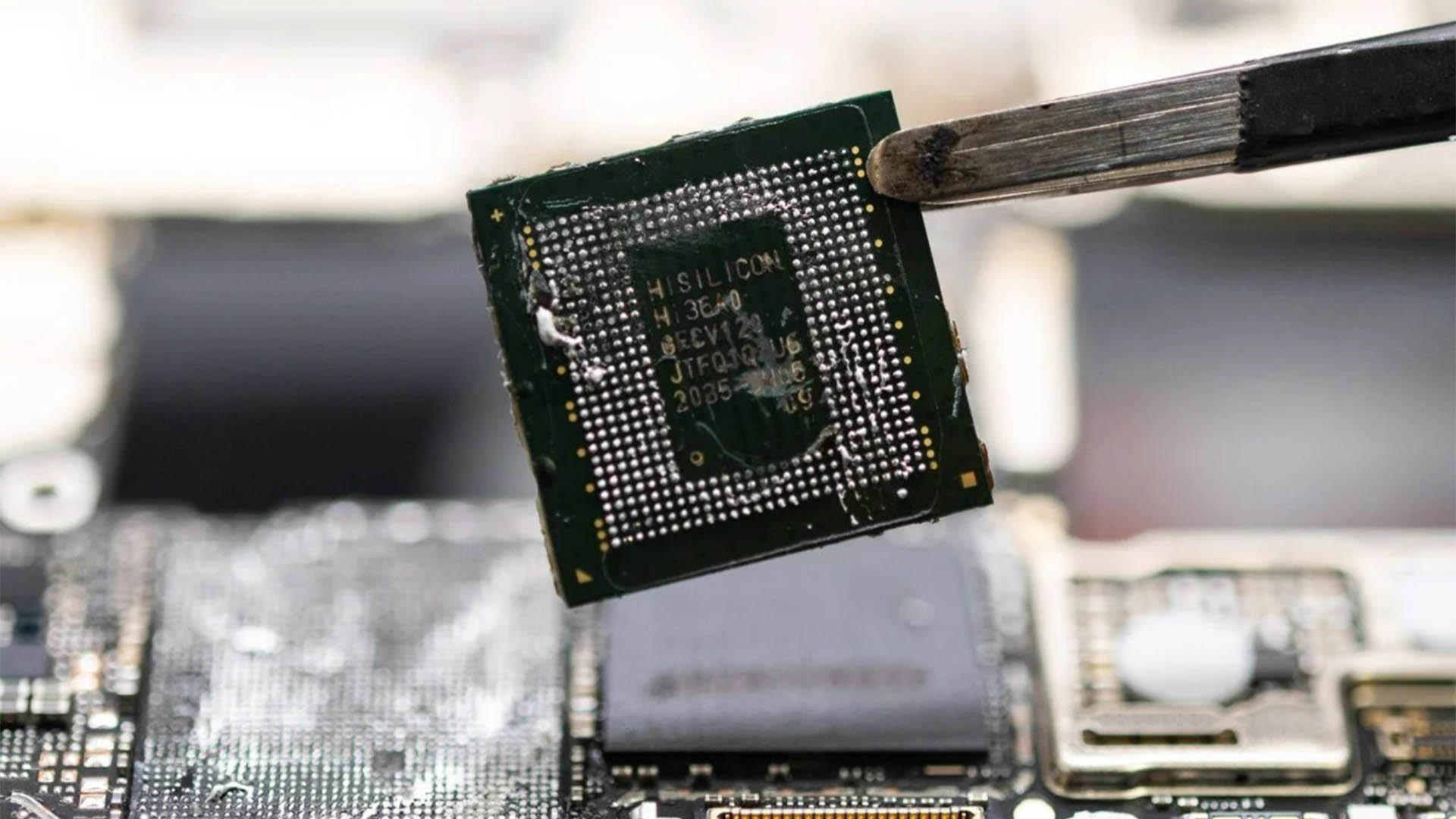
- Chipset: A17 Pro (estimated), featuring a more efficient architecture for sustained performance
- Battery life: Up to 20 hours of talk time with faster charging support
- Rear cameras: 48MP main sensor with larger pixels, improving low-light performance and computational photography
The ultra-thin frame does more than reduce the device's profile—it enhances grip by redistributing weight more evenly across the palm. The rounded corners eliminate sharp edges, making prolonged use more comfortable, whether for video calls or extended media sessions. This design philosophy suggests Apple is prioritizing both aesthetic refinement and practical usability, two factors that often compete in smartphone development.

Performance and Real-World Impact
The rumored A17 Pro chipset represents a significant leap in performance efficiency, likely addressing one of the biggest concerns with ultra-slim designs: thermal management. A more efficient processor could mean longer battery life without compromising power, a critical balance for users who rely on their devices for both productivity and content creation.
Camera upgrades, including larger sensor pixels and advanced computational photography tools, further distinguish this generation. These changes are particularly notable for creators who shoot in low-light conditions, as the improved pixel structure captures more light while maintaining detail—a feature that could set a new standard for smartphone photography.
A Shift with Industry Implications
This design shift carries implications beyond Apple's ecosystem. Competitors will likely respond by re-evaluating their own priorities, balancing slimness with the need for robust hardware and battery performance. For enterprise users, the combination of power efficiency and advanced camera features could make this series a strong contender for mobile workflows that demand both portability and high performance.
However, sustaining this balance without trade-offs in build quality or battery endurance will be crucial. If Apple succeeds, it may redefine what consumers expect from premium smartphones—proving that true innovation lies not just in raw specifications, but in how those specs integrate into a cohesive, user-centric design.