Apple's upcoming iPhone 18 series may mark a shift in how the company releases its flagship devices. While the iPhone 18 Pro, Pro Max, and Fold are expected to arrive in the fall of 2026, a staggered launch strategy is emerging that could see more affordable variants debut in spring 2027. This approach, hinted at by TSMC's aggressive expansion of its WMCM packaging capacity, suggests Apple is preparing for a two-phase rollout that could reshape the competitive landscape.
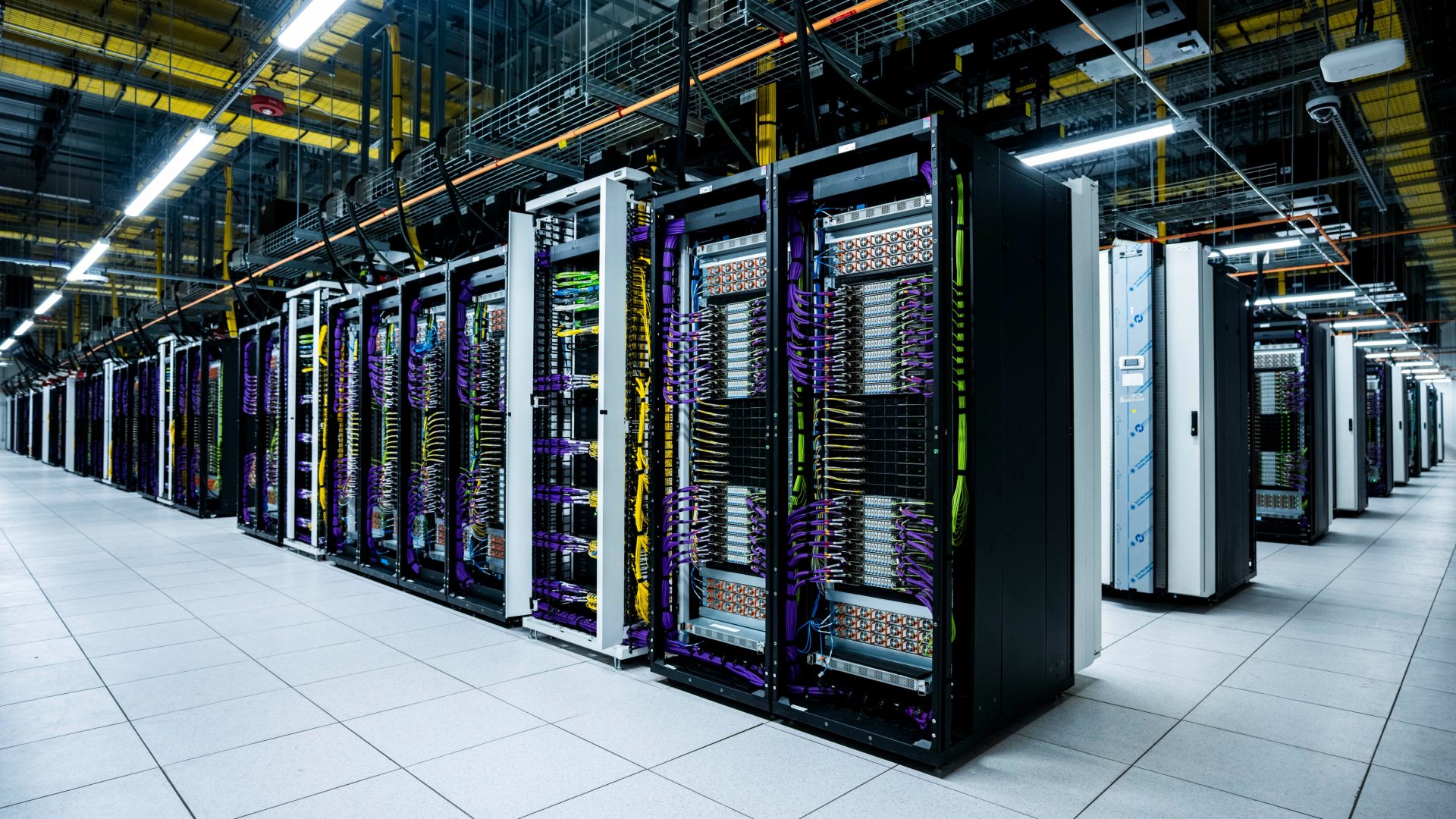
At the heart of this strategy lies TSMC's decision to double its WMCM (Wafer-Level Chip-on-Wafer Micro Bump) packaging capacity from 60,000 wafers per month in 2026 to 120,000 wafers per month by 2027. This ramp-up involves not only upgrading equipment at its Longtan factory but also constructing a new production line at AP7 in Chiayi. TSMC is enlisting partners like ASE and Xintec to assist with wafer sorting and final testing, ensuring the infrastructure is ready to support Apple's anticipated surge in demand for more budget-friendly iPhone 18 models.
The shift to WMCM packaging for the A20 chip, built on TSMC's 2nm process, represents a significant technological leap. Unlike traditional InFO packaging, WMCM allows for the integration of multiple dies—such as the CPU, GPU, and Neural Engine—onto a single package using Redistribution Layers (RDLs). This approach eliminates the need for separate components like interposers or substrates, freeing up space that could be used for other features, such as a larger battery. Additionally, Molding Underfill (MUF) reduces material consumption and streamlines production, making it an efficient choice for mass production.

The staggered launch strategy is not without its challenges. Apple's decision to split the iPhone 18 lineup into two phases—premium models in fall 2026 and budget variants in spring 2027—could create a gap in the market that competitors might exploit. However, it also allows Apple to fine-tune production, ensuring that the more affordable models are optimized for cost efficiency without compromising on performance.
For consumers, this strategy could mean longer wait times for the base iPhone 18 and potential iPhone Air 2 models, which are expected to arrive in spring 2027. The timing aligns with TSMC's capacity expansion, suggesting that Apple is prioritizing the production of higher-volume, budget-friendly devices after the initial launch of premium models. This approach could also influence pricing strategies, with the possibility of more aggressive discounts on older models to clear inventory before the new lineup arrives.
While the exact details remain under wraps, one thing is clear: Apple's iPhone 18 series is poised to be a pivotal moment in its product cycle. The combination of advanced packaging technology and a staggered launch strategy signals a shift toward more flexible production models, potentially setting a new benchmark for how tech companies manage their product lifecycles.