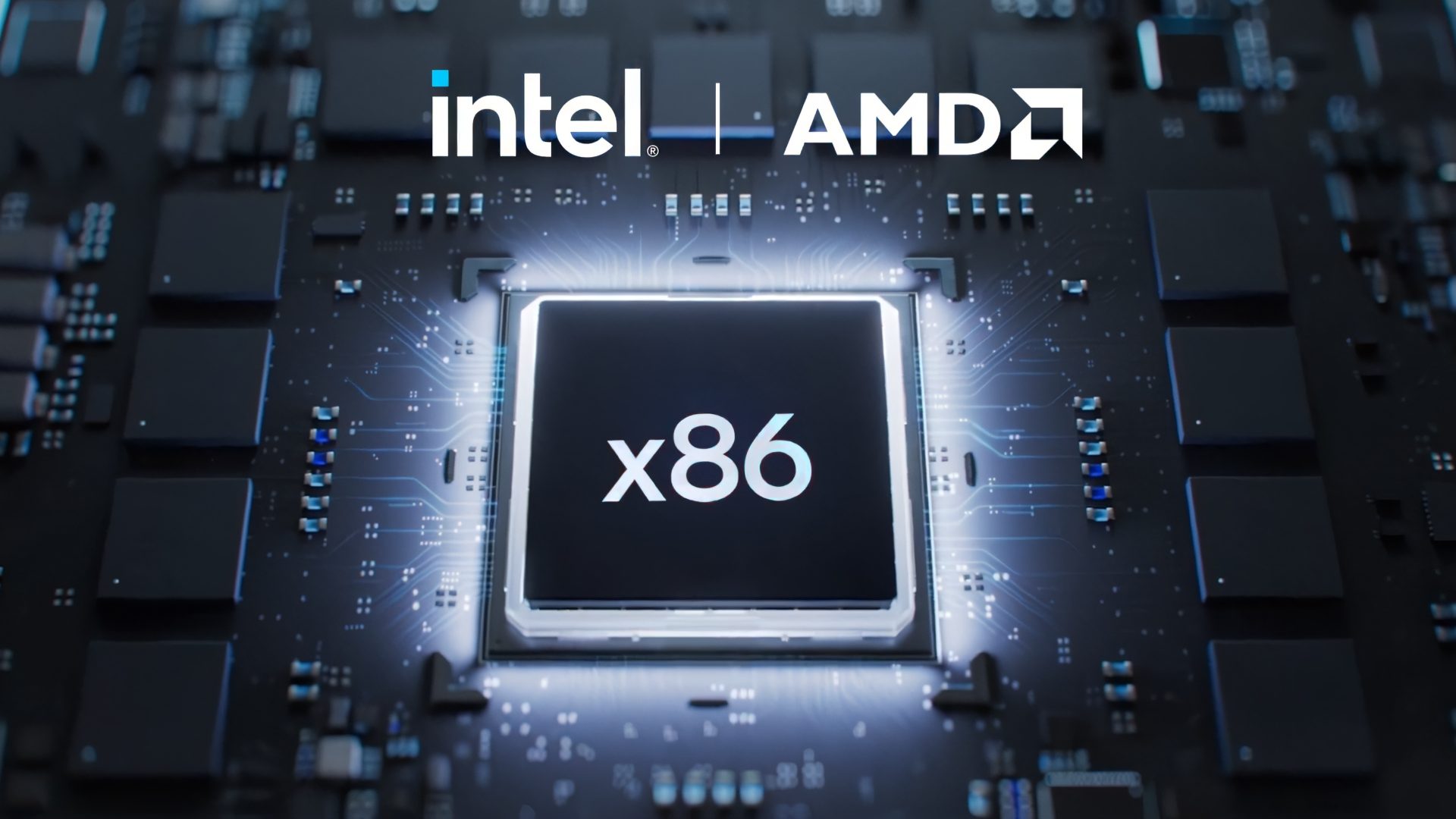
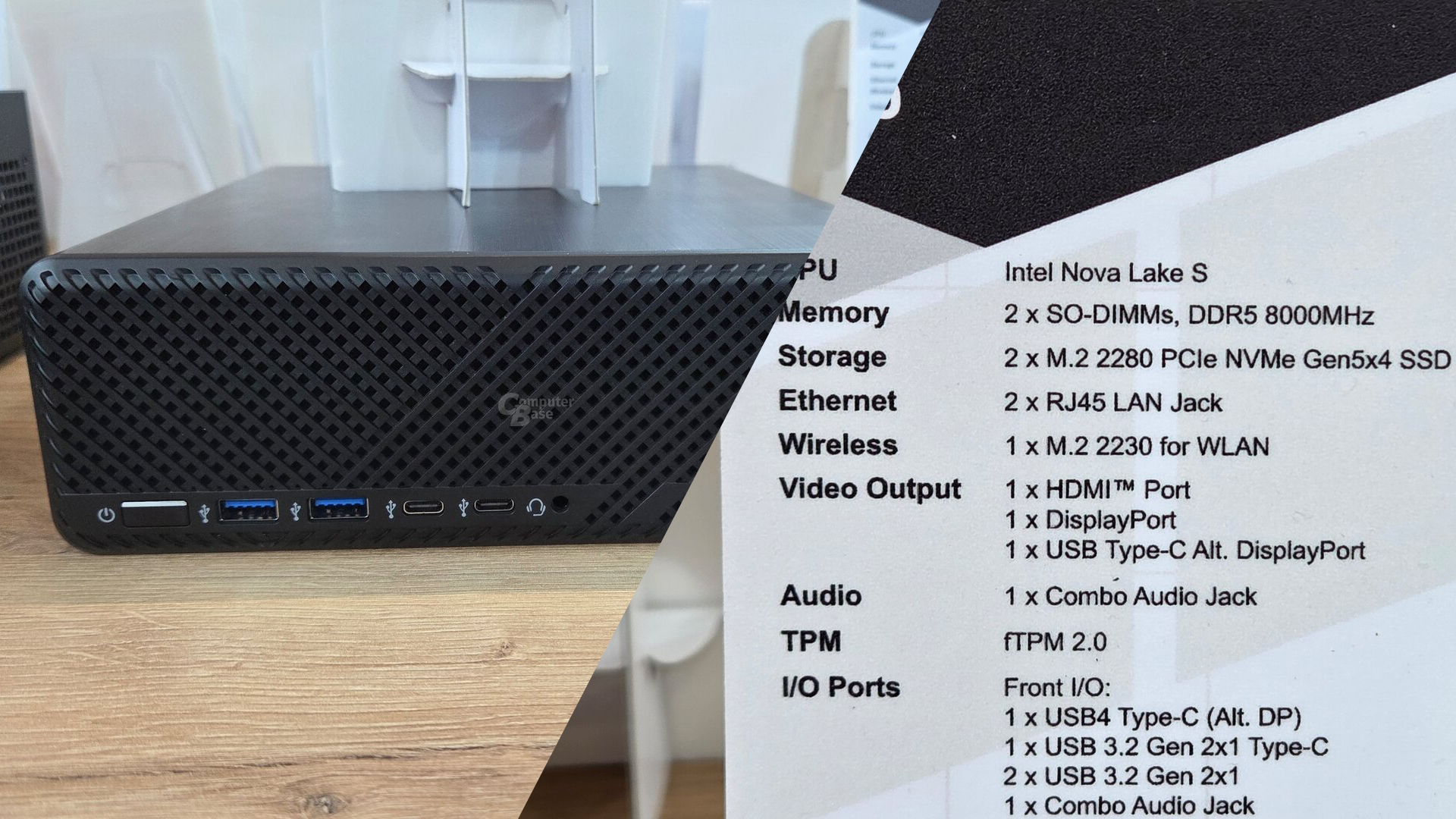
Intel’s next-generation CPU series is set to redefine memory performance with native support for DDR5-8000, according to a mockup unveiled at Embedded World 2026. This marks the first time Intel has pushed memory speeds this high in a single release, surpassing even its upcoming Arrow Lake Refresh, which is expected to top out at DDR5-7200.
The revelation comes from ECS’s Liva P300 embedded PC mockup, which, while not yet housing the final Nova Lake S chip, showcases the platform’s memory capabilities. The system’s spec sheet confirms that Intel has overhauled its memory controller to handle 8000 MT/s DDR5 without requiring external tweaks—a stark contrast to current Arrow Lake CPUs, which max out at DDR5-6400.
This jump in memory bandwidth isn’t just a technical milestone; it’s a strategic move that could reshape how embedded systems are designed. Higher memory speeds typically translate to smoother multitasking and better performance in AI workloads, making this a critical upgrade for power users and developers working on high-demand applications.
What Changed and Why It Matters
The Nova Lake S series is positioning itself as the true successor to Arrow Lake, bringing not only faster memory but also significant architectural improvements. While details on specific SKUs remain scarce, leaks suggest a range of core configurations, including 65W variants likely intended for portable embedded devices.
One practical implication for users would be noticeably snappier performance in tasks that rely heavily on memory bandwidth, such as rendering or AI inference. However, the higher power requirements—with some chips expected to hit up to 175W TDP—could complicate thermal management in compact designs.
Key Specs
- Memory Support: Native DDR5-8000 MT/s (vs. DDR5-6400 on Arrow Lake)
- Power Supply: 120W built-in, with potential for doubling to ~240W depending on SKU
- Platform: Intel Nova Lake S-based embedded PC (Liva P300 mockup)
The Liva P300 mockup also hints at a more robust power delivery system, with ECS noting plans to double the 120W baseline for high-end chips. This flexibility suggests that Intel is preparing for a variety of use cases, from low-power embedded systems to high-performance workstations.
Looking ahead, the Nova Lake S series is expected to launch in the second half of 2026, with embedded systems following in early 2027. If this timeline holds, power users should see a tangible shift in performance, particularly in memory-intensive workloads. The question remains whether other manufacturers will follow suit or if Intel’s lead will solidify its position in high-bandwidth applications.