Imagine running local AI tasks on your desktop without waiting for cloud syncs. That future just got a major hardware boost—Intel’s upcoming Core Ultra 400 series, codenamed Nova Lake-S, is poised to deliver 74 TOPS of NPU throughput, smashing Microsoft’s 40 TOPS requirement for Copilot+ PC support by a wide margin. This isn’t just incremental progress; it’s a full generational leap for Intel’s desktop NPU, which had been stuck at 13 TOPS in its previous Arrow Lake-S and Arrow Lake Refresh chips.
The move positions Intel to finally compete with AMD’s upcoming Ryzen AI 400 series (Gorgon Point), which could land on AM5 sockets as early as late 2026—potentially beating Intel’s rumored late-year launch. For AI workloads, this isn’t just about benchmarks; it’s about unlocking smoother local processing for everything from generative AI to real-time translation, all without relying on external servers.
Why 74 TOPS Matters
The 74 TOPS figure isn’t just a number—it’s a clear signal that Intel is doubling down on AI-ready desktop chips. Here’s what that means in practice
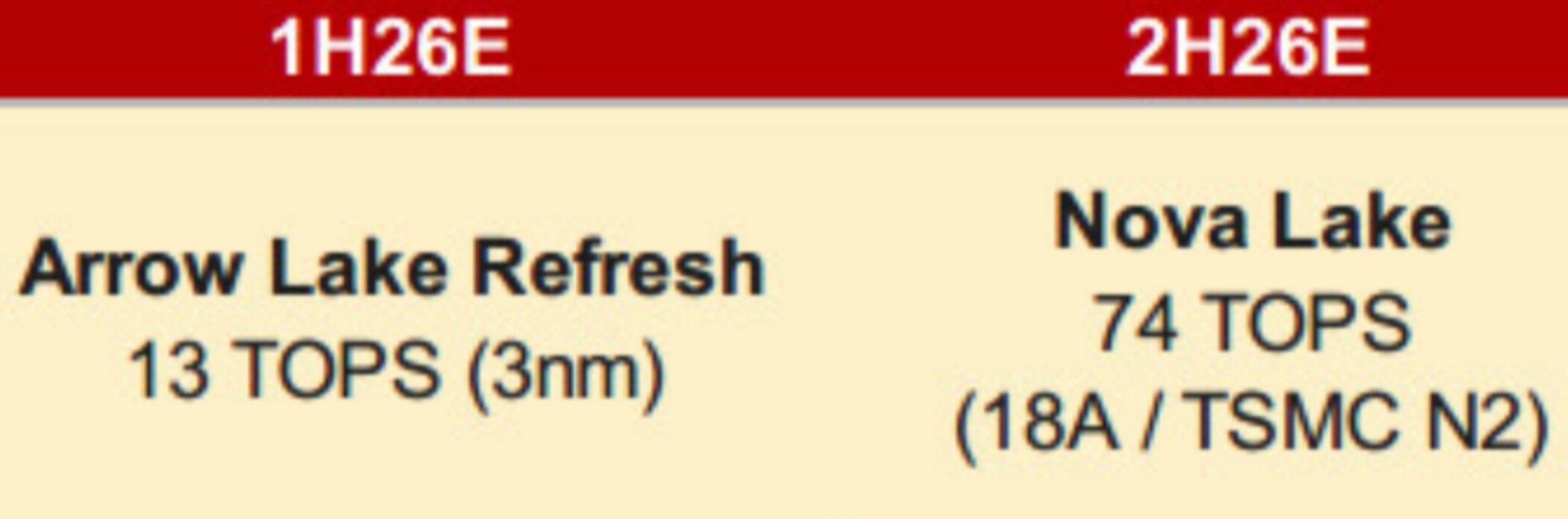
- Copilot+ Ready: Microsoft’s baseline for Copilot+ PCs is 40 TOPS, but Intel’s NPU delivers nearly double that, ensuring smoother performance for AI-driven features like on-device image generation, voice assistants, and advanced video editing.
- Product Segmentation: While the top-tier Core Ultra 9 models will likely hit 74 TOPS, Intel has room to offer lower-tier chips with 40+ TOPS—ensuring even budget desktops can meet Copilot+ requirements without sacrificing AI capabilities.
- AMD’s AM5 Challenge: AMD’s Ryzen AI 400 (Gorgon Point) could arrive on AM5 sockets sooner than Intel’s Nova Lake-S, potentially giving it the edge as the first socketed desktop platform with Copilot+ support.
- Beyond Copilot+: For power users, 74 TOPS could enable more complex AI workloads—like running local LLMs or advanced denoising filters in photo/video software—without compromising responsiveness.
This isn’t just about beating AMD to the punch. It’s about redefining what desktop AI can do. With Nova Lake-S, Intel is betting that consumers won’t just tolerate AI features—they’ll demand them, and they’ll want them to run fast, locally, and without latency. The question now is whether Intel can execute on time, or if AMD’s AM5 push will steal the spotlight first.
Who Stands to Gain?
The real winners here aren’t just tech enthusiasts. Creators, developers, and even mainstream users will benefit from
- Creators: Faster local AI processing for video editing, 3D rendering, and real-time effects.
- Developers: Seamless integration with Copilot+ tools, reducing cloud dependency for AI training.
- Mainstream Users: Smoother voice commands, better privacy (no data leaving the device), and responsive AI assistants.
For Intel, the stakes are high. If Nova Lake-S delivers on its promises, it could redefine the desktop AI landscape—assuming AMD doesn’t pull ahead with its AM5 push. Either way, 2026 looks set to be the year AI finally leaves the cloud and settles into your PC’s CPU.