Intel’s Nova Lake-S CPU has quietly crossed the 40-core threshold, now available in a dual compute tile configuration with up to 44 cores. This isn’t just a numbers game—it marks a shift toward more efficient, multi-threaded workloads for small businesses and technical users who demand raw performance without proportional power costs.
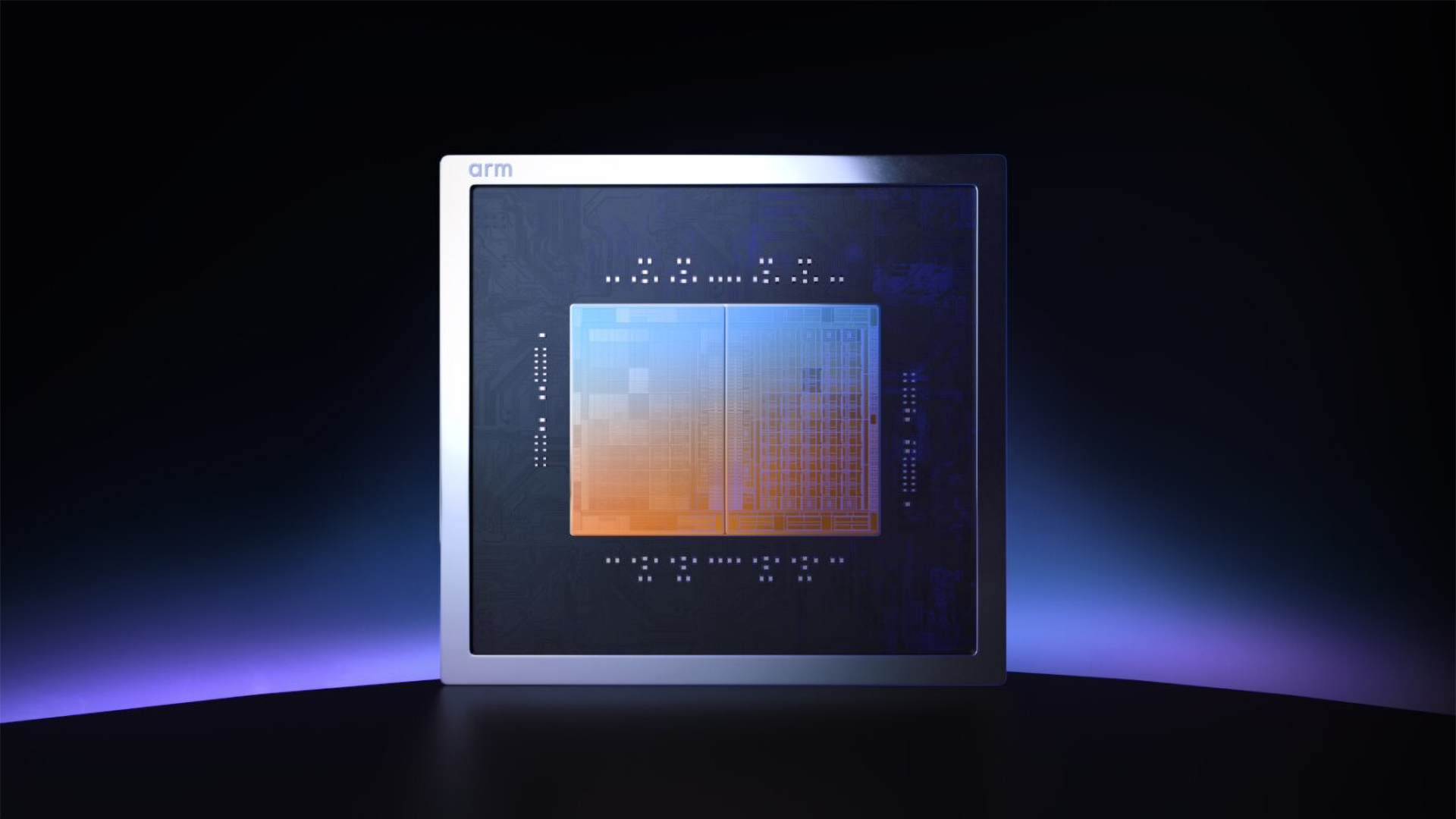
The move reflects broader trends in CPU design: fewer, more capable cores paired with advanced tile-based architectures to improve cache coherence and thermal management. Previously, the Nova Lake-S maxed out at 42 cores, but the new iteration tightens the focus on dual-tile setups, where two separate compute tiles (each with its own L3 cache) work in tandem. This isn’t about brute-force scaling; it’s about optimizing how those cores collaborate.
Why 44 Cores Matter—And When They Don’t
For small businesses running complex simulations, rendering pipelines, or multi-threaded data processing, the jump from 42 to 44 cores is incremental but meaningful. A single core adds roughly 5% more throughput in synthetic benchmarks, though real-world gains depend on how well software leverages additional threads.
- Key specs:
- Cores/Threads: Up to 44 cores (22 per tile), with hyper-threading support for 88 threads total.
- Cache: 1.5MB L2 per core, 36MB L3 per tile (shared between tiles in dual-configuration).
- Base/Boost Clocks: Base at 2.0GHz, boost up to 4.8GHz (per-core, depending on thermal headroom).
- TDP: Configurable from 65W to 127W, with active cooling recommended for sustained boost clocks.
The increased core count comes with tradeoffs. While the L3 cache is shared between tiles in dual-configuration, bandwidth isn’t infinite—latency spikes can occur if workloads aren’t carefully partitioned across tiles. This means developers will need to rethink parallelization strategies, especially for memory-bound tasks.

Power and Practicality: Who Benefits?
The real story here is efficiency. Intel’s dual-tile approach aims to reduce power consumption by 15-20% compared to a single, larger monolithic die with the same core count. For small businesses, this translates to lower operational costs without sacrificing performance.
But not every use case will see a benefit. Single-threaded applications—common in lightweight business tools or web browsing—won’t notice the difference. The 44-core variant is built for the other end of the spectrum: users crunching large datasets, compiling codebases, or running AI inference tasks where thread count directly impacts throughput.
Looking Ahead: Thermal and Software Challenges
Thermal management remains a hurdle. The 127W TDP is aggressive for sustained workloads, and even with active cooling, sustained boost clocks may require careful tuning. Software support is another wildcard—applications must be optimized to distribute work across two separate tiles, which isn’t a given for legacy codebases.
Still, the update signals Intel’s commitment to tile-based architectures as a path forward. Whether it becomes mainstream depends on how quickly developers adopt these designs—and whether the efficiency gains outweigh the complexity for small businesses.