Intel's graphics division is poised to make a significant entrance into the professional GPU market with an upcoming launch that could redefine its strategy for high-end computing. The G31 chip, codenamed 'Big Battlemage,' is emerging from development with a striking specification: 32GB of VRAM—a configuration that immediately positions it as a workstation or AI-accelerated solution rather than a gaming-oriented product.
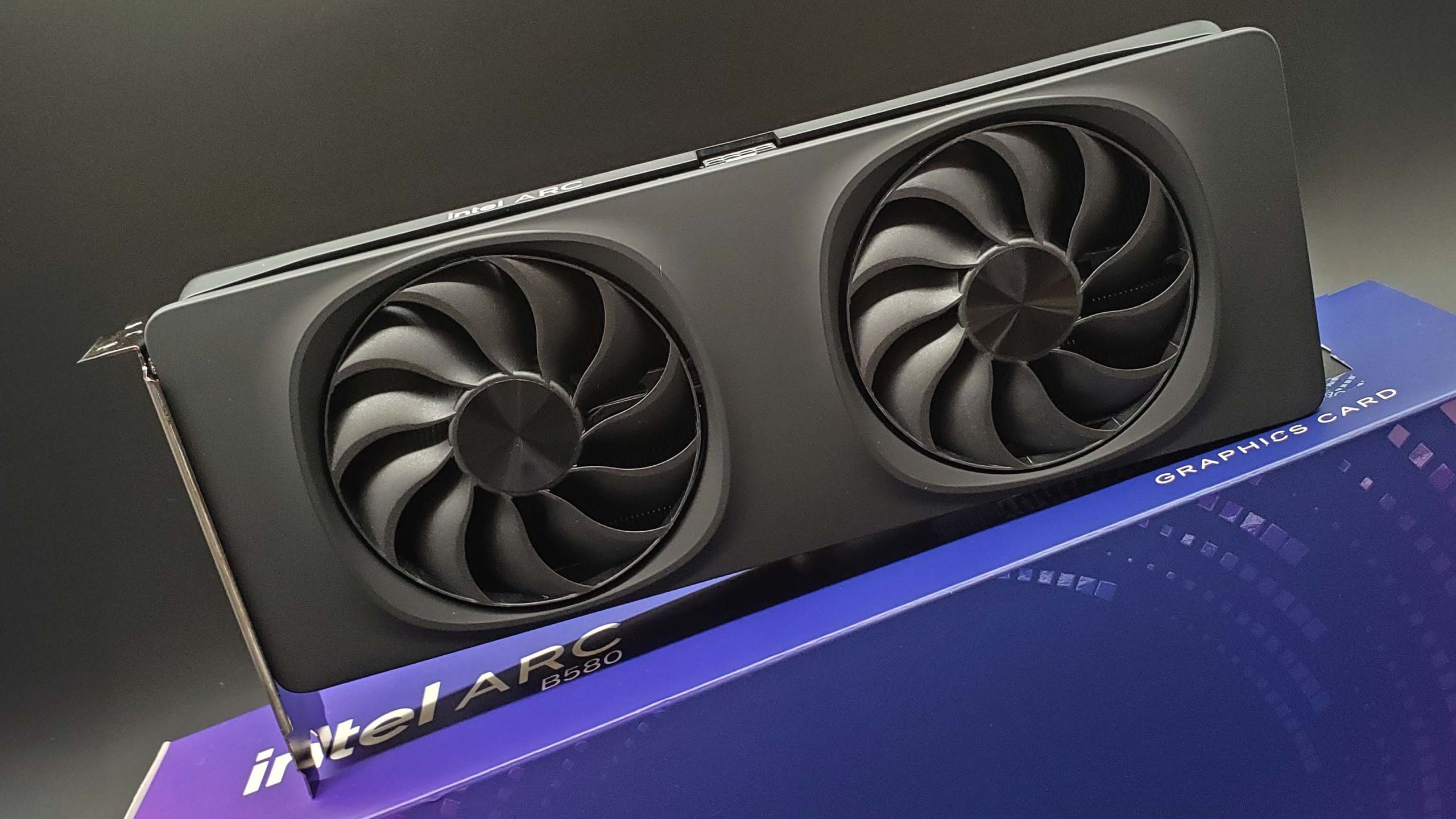
This shift in focus comes at a time when Intel has been quietly building momentum around its Xe architecture, particularly with the Arc B580's reception serving as a test case. While the B580 demonstrated improvements in driver stability and performance, it remained largely confined to mid-range gaming scenarios. The G31, however, appears to be a scaled-up version of that same architecture, but with a clear pivot toward professional workloads.
The 32GB VRAM configuration is notable not just for its capacity but also for the market implications. In an era where even high-end gaming GPUs rarely exceed 24GB, such a large memory footprint strongly suggests Intel's intent to target AI inference, local rendering, or other data-intensive applications. This aligns with broader industry trends where GPUs are increasingly being adopted for tasks beyond traditional graphics processing.
One of the more intriguing aspects of this development is its timing relative to Intel's recent product announcements. Despite the high-profile nature of CES 2026, there was no mention of the G31 or its professional orientation during the event. This omission raises questions about whether Intel views this as a niche offering that doesn't require the same level of fanfare typically associated with gaming hardware launches.
For consumers, the news may feel like a step backward in terms of accessibility. A 32GB GPU is likely to command premium pricing, making it an expensive proposition for most gamers. However, for professionals working on AI models, 3D rendering, or other memory-heavy tasks, this could represent a compelling solution—provided Intel can deliver the performance and stability that have been elusive in its previous generations.
Looking ahead, the G31's success will hinge on two critical factors: its ability to compete in the professional GPU space against established players like NVIDIA and AMD, and whether Intel can leverage this platform to eventually bring more consumer-friendly variants to market. The latter remains uncertain, given the company's historical challenges in delivering competitive gaming GPUs.
- Architecture: Xe2-based (G31 chip)
- Memory: 32GB GDDR6 (likely)
- Bus Interface: 256-bit
- Target Market: Professional (AI, workstation, rendering)
- Performance: Expected to outperform the Arc B580 in compute tasks due to larger memory and potential clock speeds
The G31's introduction marks a pivotal moment for Intel. If it can establish itself as a viable alternative in professional computing, it may pave the way for more aggressive expansion into high-end markets. However, without a clear path back to gaming-focused hardware, this launch could further solidify Intel's identity as a player in niche segments rather than a major contender in the mainstream GPU war.