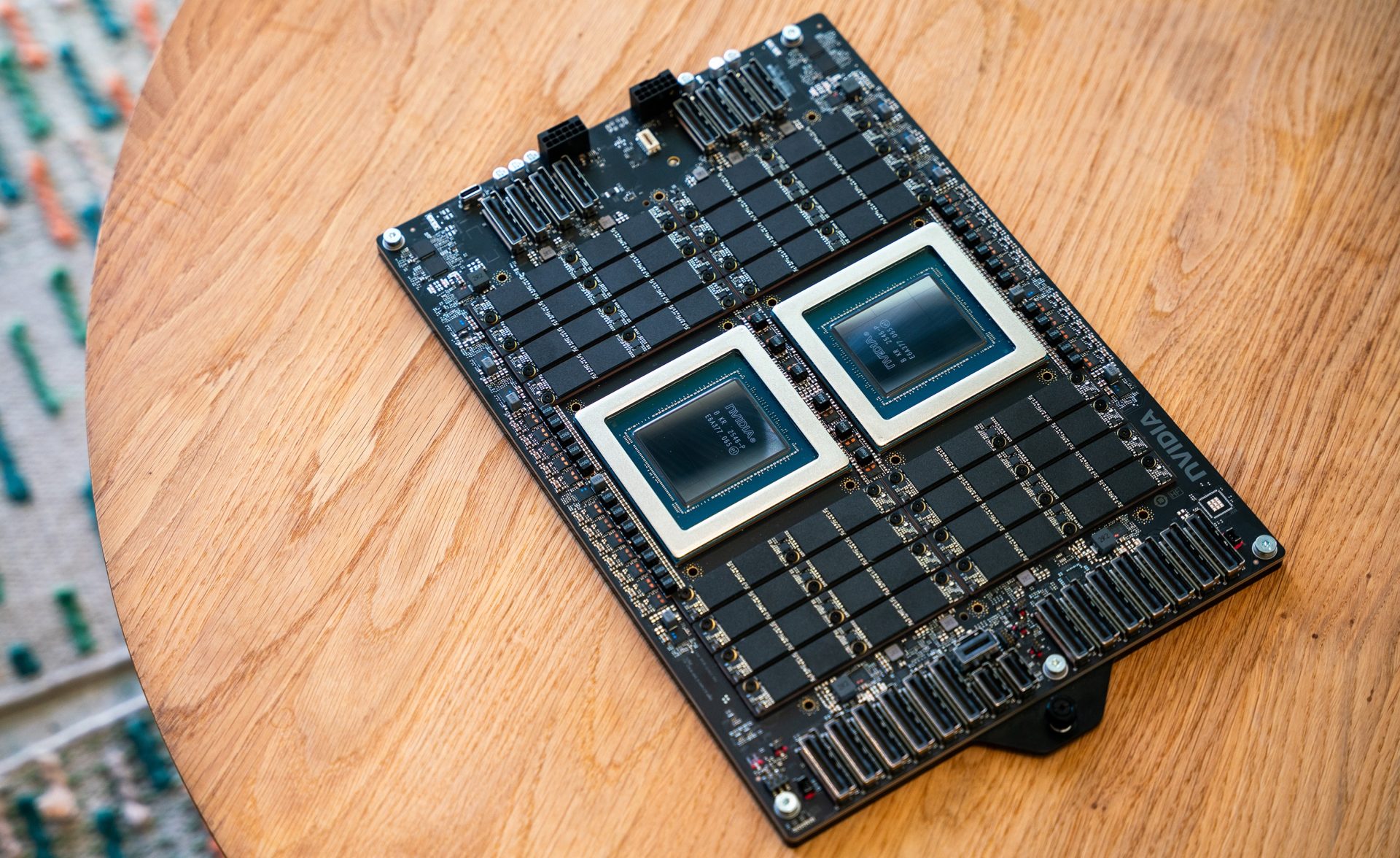
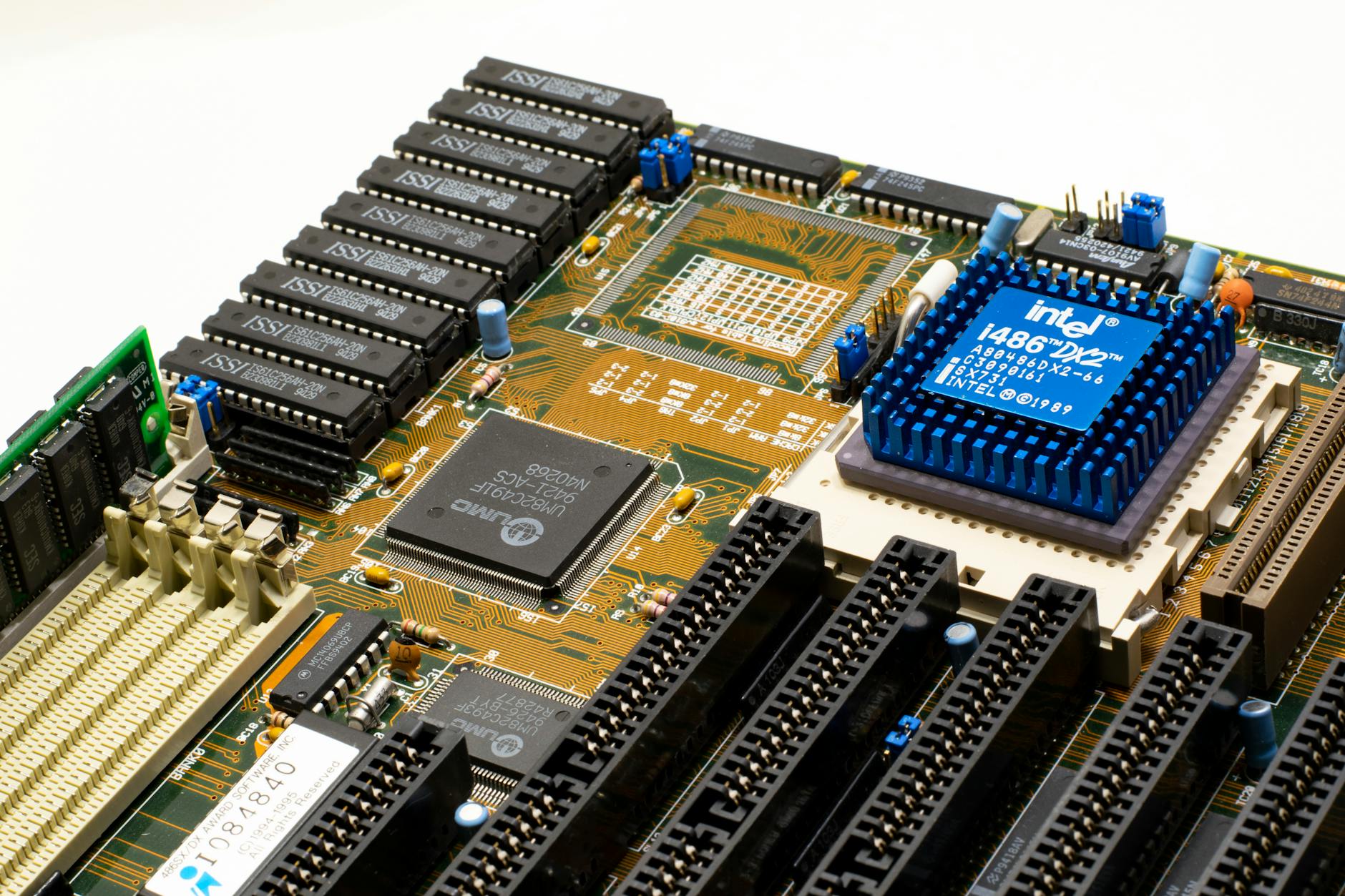
Intel’s transition from an in-house chip designer to a foundry services provider is accelerating, with external customers now seeing it as a viable alternative to industry giants like TSMC. The company’s advanced 18A process node, once plagued by yield issues, has stabilized enough to attract serious attention from high-performance computing (HPC) and AI workloads. This shift is not just about revenue growth for Intel—it represents a fundamental change in the semiconductor landscape, where proven performance and agility are becoming more critical than ever.
The foundry business requires a different operational mindset for Intel, one that prioritizes customer needs over internal design priorities. While yield consistency remains a challenge, the company has made significant progress in recent months, reducing defects and improving production efficiency. This turnaround comes at a time when TSMC’s dominance is facing scrutiny due to capacity constraints and long lead times, creating an opening for Intel to carve out its own niche.
Key Developments and Market Impact
Intel’s foundry business is still in its early stages, but it has already begun to reshape market dynamics. The 18A process node offers a compelling alternative for startups and fabless companies looking to avoid the bottlenecks associated with TSMC’s most advanced nodes. High-performance computing firms, in particular, are showing strong interest, as they require cutting-edge manufacturing capabilities to meet the demands of AI and latency-sensitive workloads.
- High-performance computing (HPC) firms seeking alternatives to TSMC
- AI chip designers needing 18A for performance-critical applications
- Startups with deep R&D budgets willing to take on yield risks
The impact on mainstream consumers is less immediate, but the foundry business could still influence the broader market if Intel successfully scales its 18A process. The real story here is about competition—TSMC’s dominance may finally face meaningful pressure, and Intel’s shift to a more open model could accelerate innovation across the industry.
The Path Forward
Intel has outlined plans to expand its foundry capacity with multiple fabs in Oregon and Arizona, which will help address potential bottlenecks. However, the biggest question remains: Can Intel replicate its yield improvements across other nodes? If it can, the company could become a serious contender—not just as a foundry, but as a full-stack competitor to TSMC.
For now, Intel’s foundry business represents both an opportunity and a test of its ability to adapt. The company has proven it can turn around a struggling process node, but the journey from ‘emerging player’ to ‘industry leader’ is still uncertain. If successful, this shift could redefine the semiconductor landscape, offering new paths for innovation and competition in the industry.