Intel is entering a period of transition with the retirement of its long-serving board chair, Frank Yeary. Yeary’s tenure has been marked by significant strategic shifts, including pushing for a foundry spin-off and overseeing the departure of former CEO Pat Gelsinger. His exit on , will leave Intel with a new leadership direction under Dr. Craig H. Barratt.
Yeary’s influence on Intel’s strategy has been substantial, particularly in steering the company away from its ambitious foundry investments. While these efforts were part of Gelsinger’s '5N4Y' roadmap, they did not yield the expected returns, leading to financial constraints and shareholder dissatisfaction. Yeary’s finance-centric approach was a key factor in these decisions, though it faced internal resistance from executives who advocated for continued manufacturing investments.
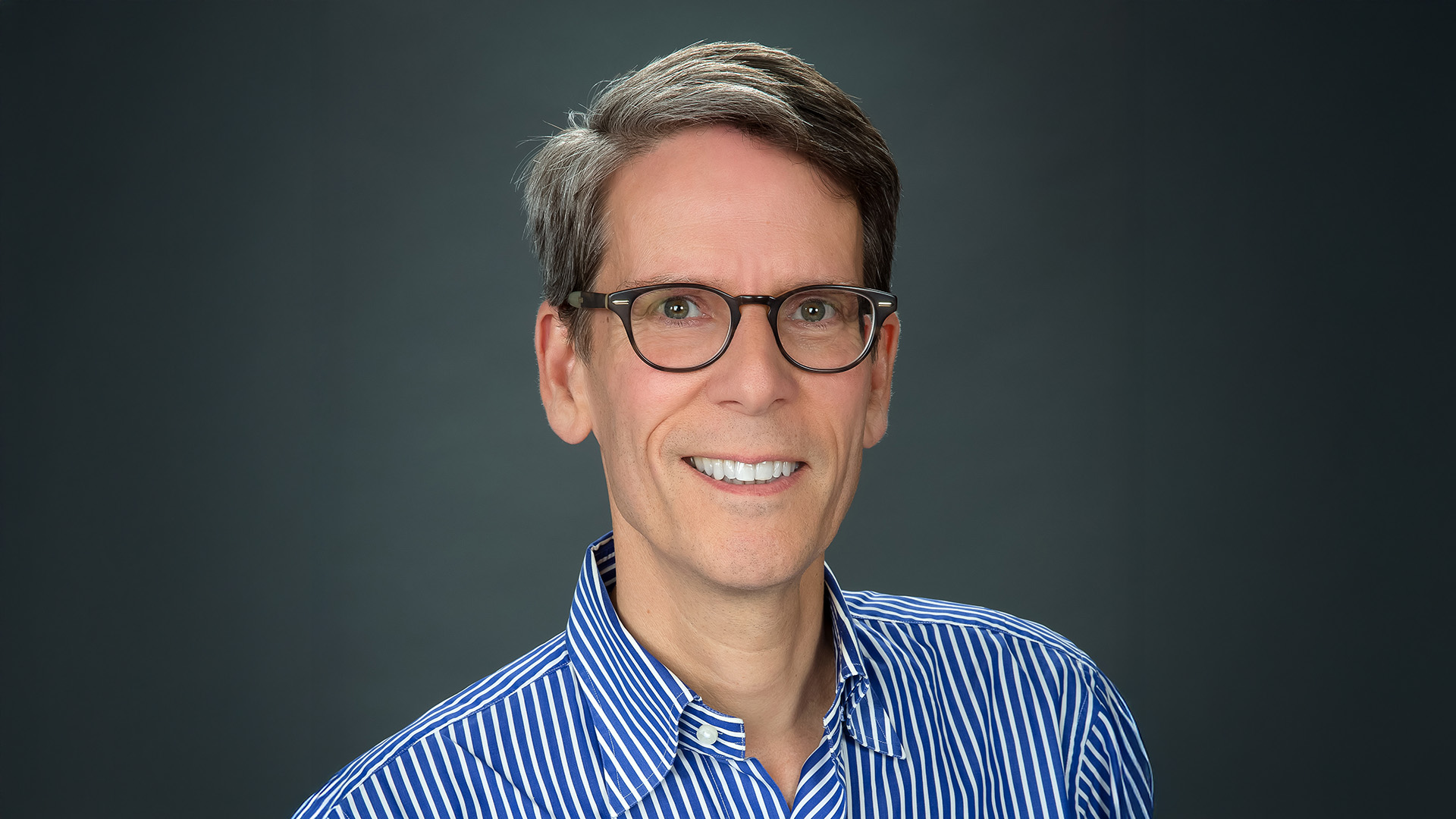
The new board chair, Dr. Craig H. Barratt, brings decades of semiconductor experience, having held leadership roles at Qualcomm, Google, and Intel. His appointment is seen as a positive shift, aligning more closely with Intel’s engineering-driven ambitions rather than financial priorities. Barratt has expressed his commitment to supporting U.S.-anchored R&D and manufacturing, signaling a potential realignment in Intel’s long-term strategy.
What remains uncertain is how this transition will impact Intel’s foundry plans and its competition with other chipmakers like NVIDIA. While Yeary’s retirement marks the end of an era, Barratt’s leadership could steer Intel toward a more balanced approach between finance and engineering, addressing some of the challenges that have plagued the company in recent years.