A new quantum accelerator from Hewlett Packard Enterprise (HPE) is reshaping the landscape for hybrid high-performance computing (HPC), blending classical and quantum processing in a single system. What sets this development apart is not just its technical specifications, but how it forces a reckoning with operational costs in an era where efficiency—especially performance-per-watt—has become as critical as raw power.
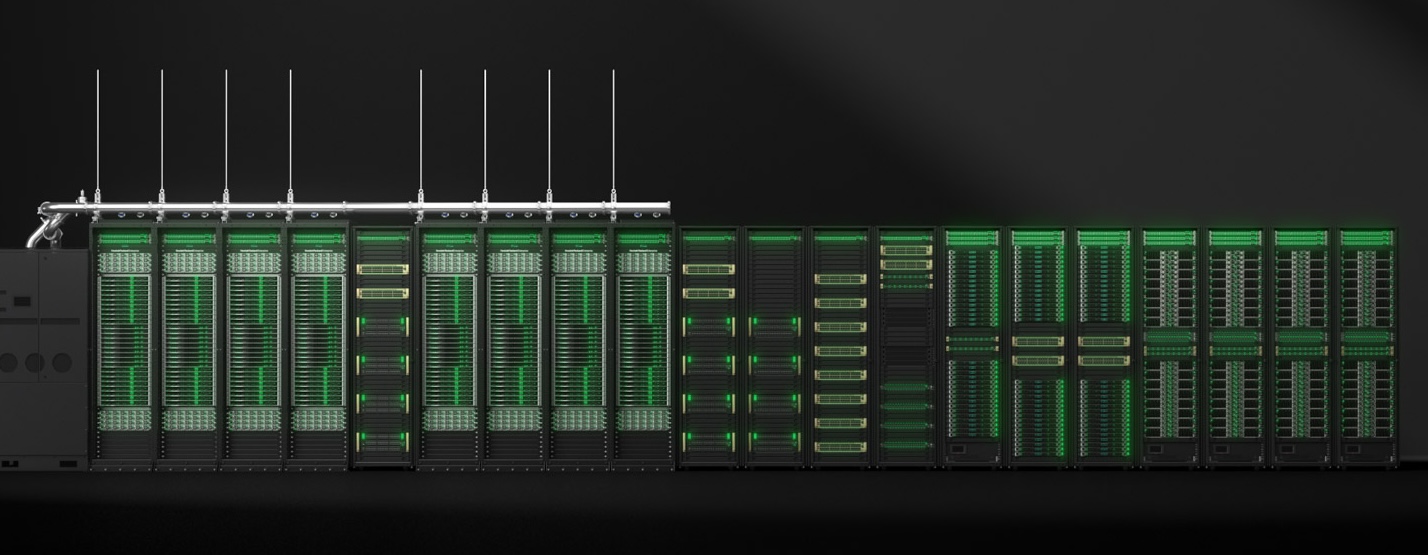
At the heart of HPE’s latest innovation is a hybrid architecture designed to run both classical and quantum algorithms simultaneously. The system integrates existing HPC hardware with new quantum processing units (QPUs), allowing it to tackle problems that would otherwise overwhelm traditional supercomputers. Key specifications include
- Up to 64 qubits for quantum processing, paired with a high-performance CPU and GPU cluster.
- Support for hybrid workloads, including quantum-optimized simulations in fields like material science and drug discovery.
- A focus on thermal efficiency, with liquid cooling and power management systems that aim to reduce operational costs by up to 30% compared to conventional HPC setups.
The real story here is about thermals. Quantum computing has always been a power-hungry beast, but HPE’s approach introduces a level of precision in heat dissipation that could redefine what’s possible in data centers. That’s the upside—here’s the catch: the system is still in early stages, and its true value will depend on how quickly developers can adapt their workflows to this hybrid model.
Why This Matters for Gamers and HPC
For gamers, the implications are less direct but no less significant. High-performance computing isn’t just about crunching numbers; it’s about pushing boundaries in graphics, physics simulations, and AI-driven content generation. A system that can balance quantum noise reduction with classical rendering could accelerate advancements in real-time graphics, procedural worlds, and even AI-assisted game design.
But the bigger picture is operational cost. Data centers are already under pressure to optimize power usage, and quantum computing—when it matures—will only intensify that demand. HPE’s accelerator is a step toward making hybrid systems viable at scale, but whether it becomes a mainstream solution depends on how quickly software stacks evolve to support this new paradigm.
What to Watch Next
The next phase will be about integration. Can developers seamlessly transition their workloads from classical to quantum without sacrificing performance? And how will this system perform in real-world benchmarks, particularly in tasks that require both brute-force computation and quantum noise mitigation?
For now, the accelerator remains a prototype, but its potential to redefine hybrid HPC is undeniable. If it delivers on its promises, it could mark a turning point—not just for supercomputing, but for any industry where computational efficiency is the difference between cost savings and financial strain.