Solid-state drives (SSDs) have revolutionized storage with their speed, silence, and energy efficiency—but they’re not invincible. Unlike mechanical hard drives, SSDs degrade over time due to wear from constant write operations. While modern SSDs last years under normal use, small adjustments in Windows 11 can extend their longevity significantly. Here’s how to protect your investment.
SSDs rely on flash memory cells that degrade with each write cycle. Unlike HDDs, they don’t suffer from moving parts, but excessive writes—especially from hibernation files, virtual memory, or fragmented data—can shorten their lifespan. The good news? Windows 11 offers built-in tools to mitigate these issues. By enabling key features and disabling unnecessary processes, you can reduce wear and keep your SSD running at peak performance for longer.
The Problem: Unnecessary Writes
Every time Windows writes data to an SSD—whether for hibernation, virtual memory, or file deletion—it consumes a tiny fraction of the drive’s endurance. Over months or years, these small operations add up. The solution isn’t about avoiding all writes (some are unavoidable), but optimizing how Windows handles them.
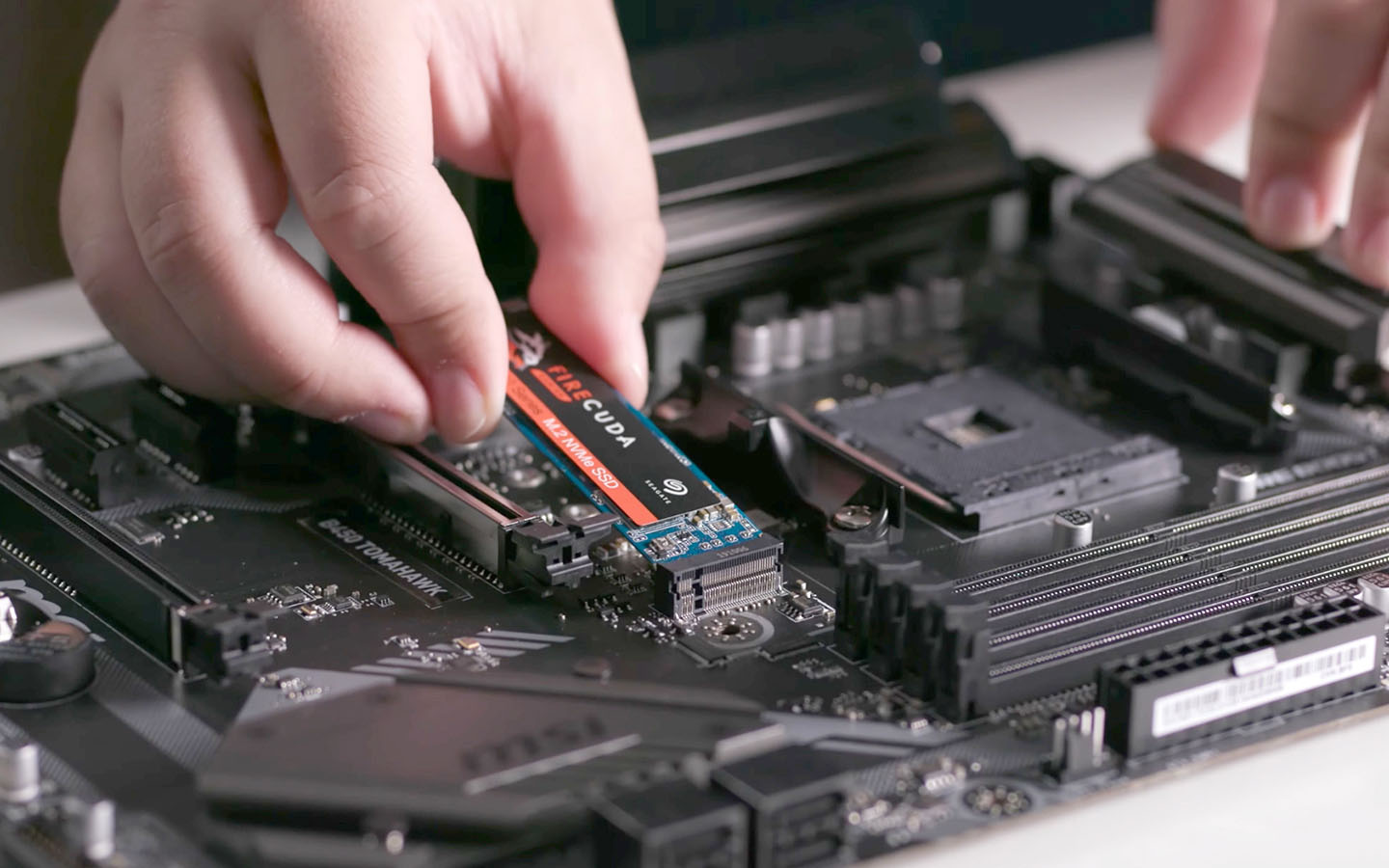
Six Tweaks for a Longer-Lasting SSD
- Enable TRIM: TRIM is a command that tells the SSD which data blocks are no longer in use, allowing it to erase them efficiently. Without TRIM, the drive must perform extra work to clean up old files, accelerating wear. To check if it’s enabled, open an admin Command Prompt and run
fsutil behavior query DisableDeleteNotify. If the result isDisableDeleteNotify = 0, TRIM is active. If not, enable it withfsutil behavior set DisableDeleteNotify 0. - Disable Hibernation: Windows creates a large file called
Hiberfil.syswhen hibernating, which stores all RAM contents on the SSD. Disabling hibernation removes this file entirely. Open an admin Command Prompt and runpowercfg.exe /hibernate offto turn it off. - Disable the Paging File (Virtual Memory): Virtual memory (or the pagefile) offloads inactive RAM to the SSD, creating constant write activity. To disable it, press
Win + R, typesysdm.cpl, and navigate to Advanced > Performance Settings > Virtual Memory. SelectNo paging filefor your system drive and confirm. (Note: This may impact performance if your system has limited RAM.) - Enable Write Caching: Write caching temporarily holds data in memory before flushing it to the SSD, reducing frequent small writes. To enable it, open Device Manager, right-click your SSD, select Properties, and check Enable write caching on the device under the Policies tab.
- Keep 20% Free Space: SSDs perform best when they have unused capacity. Aim to maintain at least 20% free space to avoid performance drops and unnecessary wear. Check your drive’s capacity in File Explorer under This PC.
- Update SSD Firmware: Manufacturers release firmware updates to improve reliability and efficiency. Visit your SSD maker’s website or use their proprietary software (e.g., Samsung Magician, Crucial Storage Executive) to check for updates.
Why This Matters
These tweaks don’t just extend SSD life—they also improve speed and reliability. TRIM and write caching reduce latency, while disabling hibernation and virtual memory cut down on background writes. Keeping free space ensures the drive can manage data efficiently, and firmware updates patch potential bugs. The effort is minimal, but the payoff—years of trouble-free performance—is substantial.
SSDs are a marvel of modern technology, but like all hardware, they’re not immortal. By taking these steps, you’re not just preserving storage; you’re ensuring your system remains fast, responsive, and ready for whatever comes next.