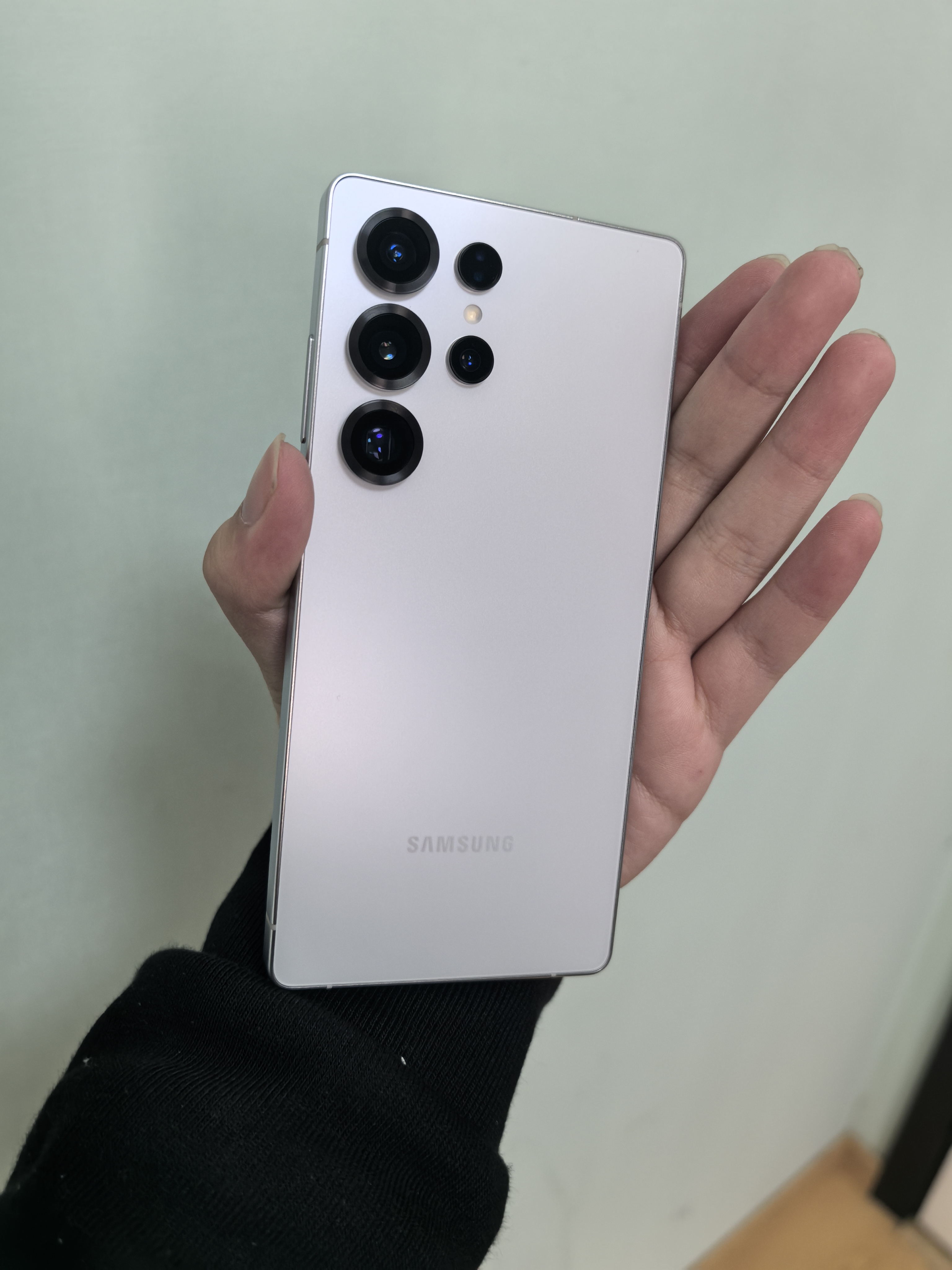
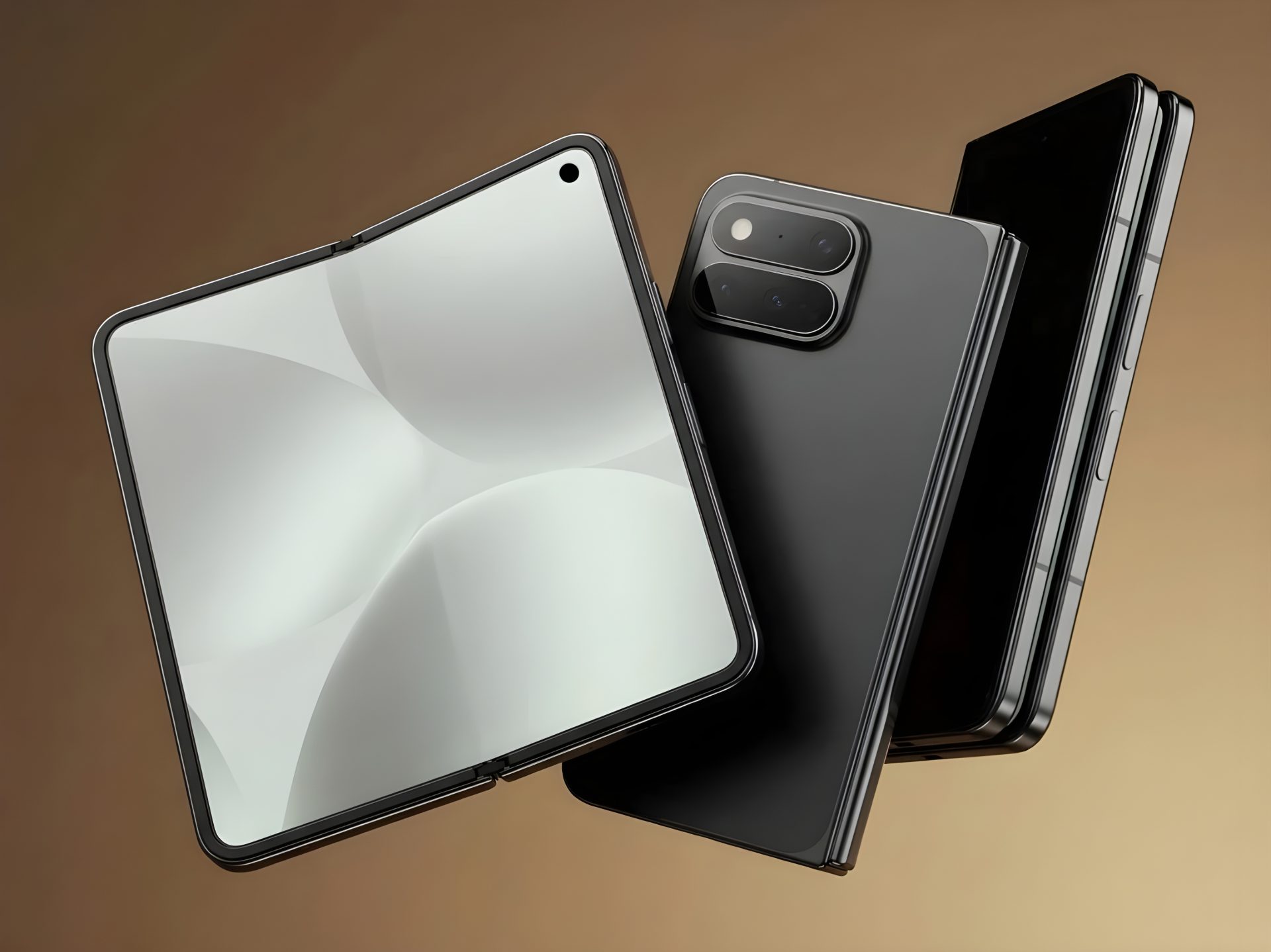
The Pixel 11 Pro Fold arrives with a design that feels stuck in time. At 10.1mm thick when folded and 4.8mm unfolded, it edges closer to rivals like the Samsung Galaxy Z Fold 7 but doesn't redefine the category. The LED flash tucked into the rear camera bump is a small step forward, yet the device's bezels remain disproportionately large, hinting at a missed opportunity to align with modern foldable standards.
This isn't just about aesthetics—it’s about ecosystem strategy. Google has historically prioritized software and AI over hardware refinement. The Pixel 11 Pro Fold’s Tensor processor, while not the fastest on paper, is optimized for Google's suite of tools. For gamers, this means smoother performance in apps like Stadia, but it also means sacrificing raw power for battery efficiency—a tradeoff that could shape how foldables evolve.
Key Specs
- Display: Foldable 7.6-inch inner screen, 8.0-inch outer screen (unfolded: 13.4-inch).
- Thickness: 10.1mm folded, 4.8mm unfolded.
- Processor: Tensor G6 (7nm process, 5-core GPU).
- RAM/Storage: 12GB LPDDR5X, 256GB/512GB UFS 4.0.
- Cameras: 50MP main (f/1.8), 48MP ultrawide, 48MP telephoto (3x optical zoom).
The Tensor G6’s efficiency is a double-edged sword. It delivers solid performance for AI tasks but lags behind competitors like Snapdragon 8 Gen 3 in raw benchmarks. For gamers, this means prioritizing battery life over frame rates—a choice that could redefine foldable usage.
Ecosystem Implications
- Google’s focus on AI integration over hardware innovation.
- Tradeoff between power and efficiency in foldables.
- Potential for Stadia to become a primary use case.
The Pixel 11 Pro Fold’s design may not impress, but its strategic direction is clear. Google is betting on AI-driven features over brute-force performance, which could reshape the foldable market. Whether this approach resonates with gamers remains an open question—one that will determine if Google can break free from its aesthetic stagnation.