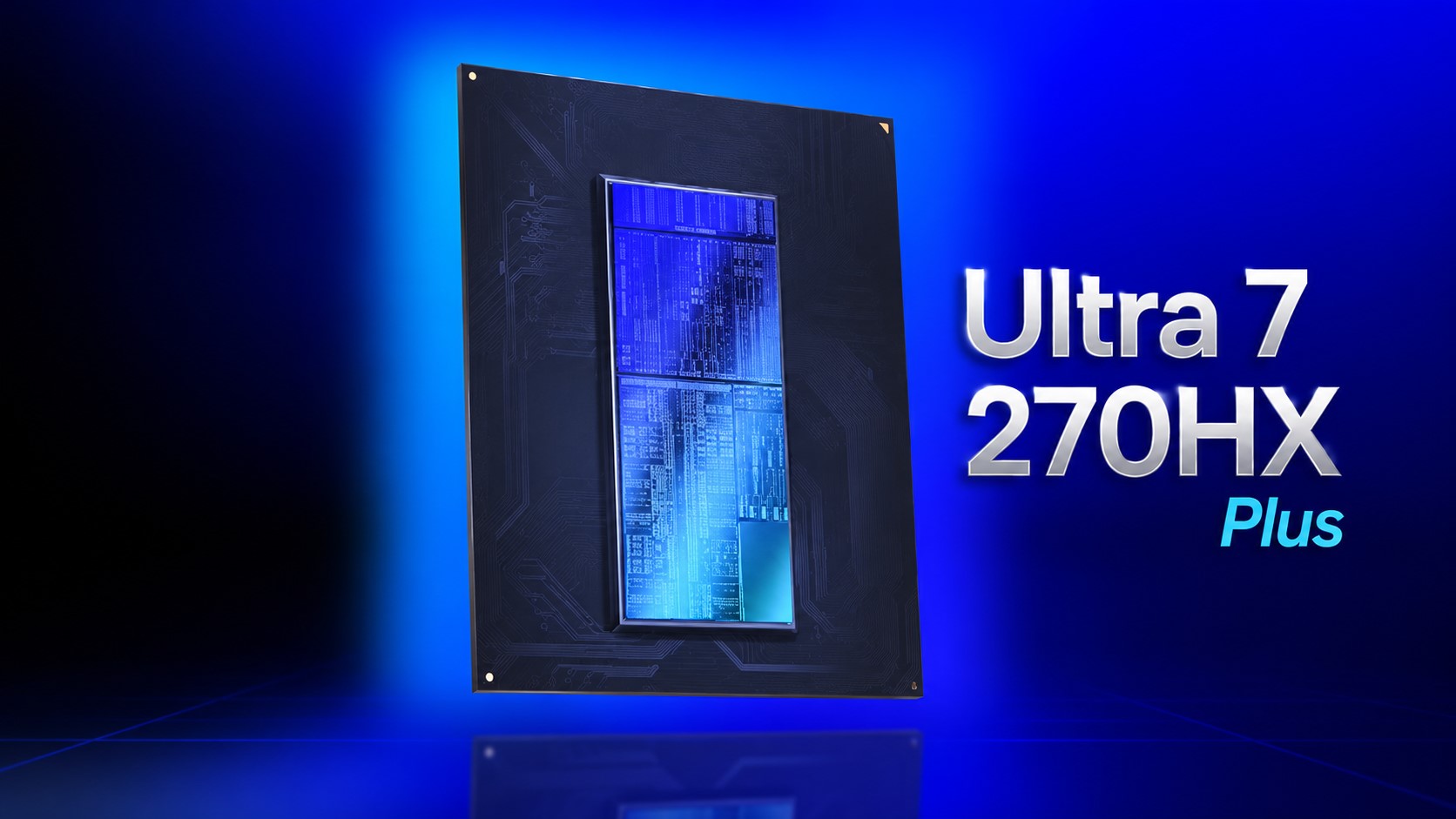
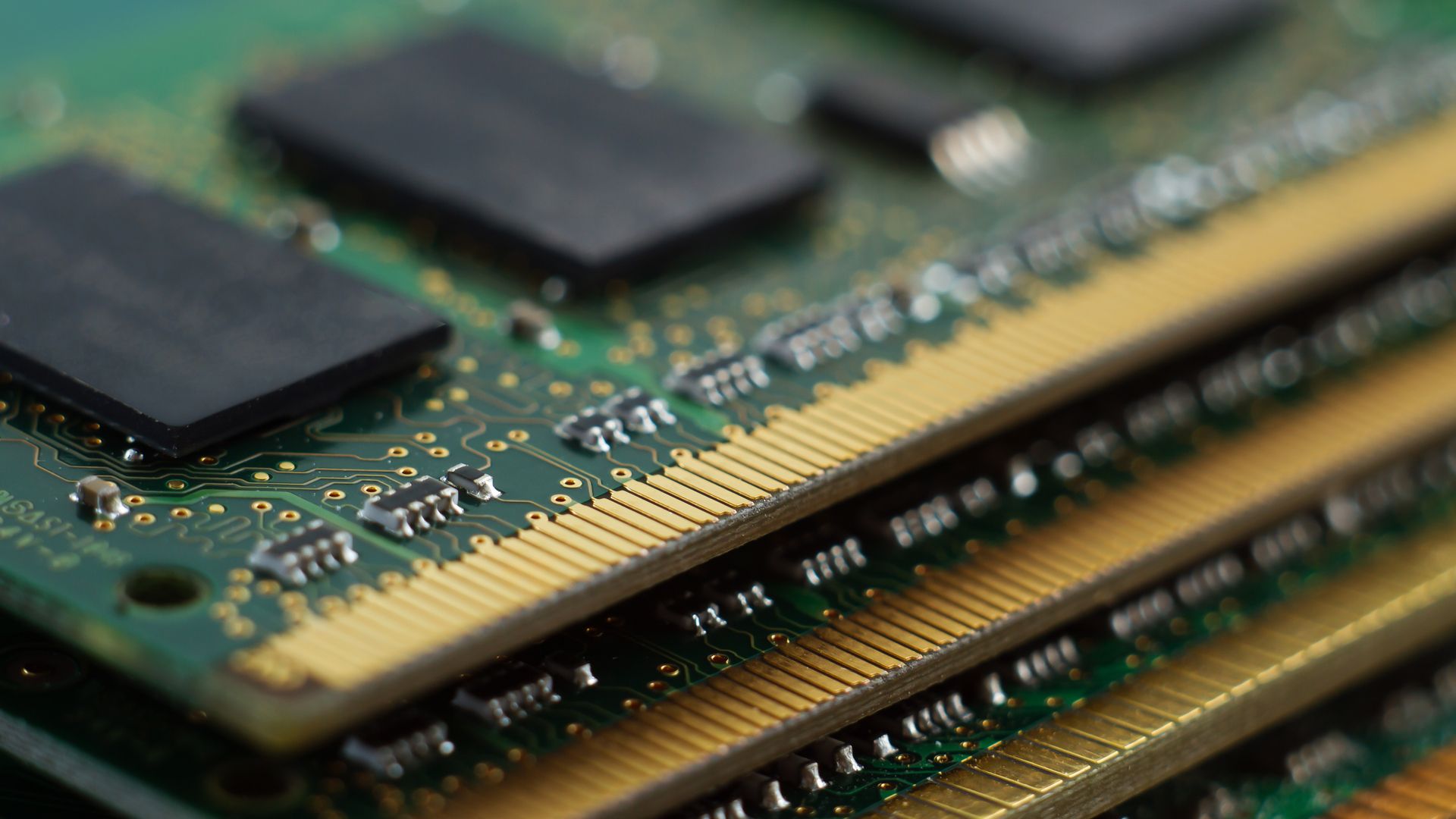
Gigabyte's latest Z890 Plus motherboards are setting a new benchmark for memory capacity and performance, particularly for Intel Core Ultra 200S Plus processors. These boards are engineered to support an unprecedented 128 GB per dual-DIMM module, allowing users to achieve a total of 256 GB with just two modules. This is made possible through the integration of Quad-Rank memory modules and an optimized circuit design that minimizes channel loading while maintaining signal integrity at high frequencies.
Underpinning this performance is Gigabyte's D5 DUO X BIOS tuning technology, which intelligently manages timing, voltage behavior, and signal synchronization to extract maximum potential from both the processor and DRAM. Additionally, Ultra Turbo Mode provides a one-click BIOS-level performance boost, streamlining the user experience for those seeking immediate gains without delving into complex settings.
Beyond raw memory performance, the Z890 Plus series introduces several refinements tailored for mainstream gamers and performance enthusiasts. The AORUS ELITE DUO X and FORCE DUO X WIFI7 models, for instance, feature a reinforced UD base plate for enhanced durability, DriverBIOS for instant network connectivity, and a Rear EZ-Button that simplifies system building and troubleshooting. These features reflect Gigabyte's commitment to both performance and user convenience.
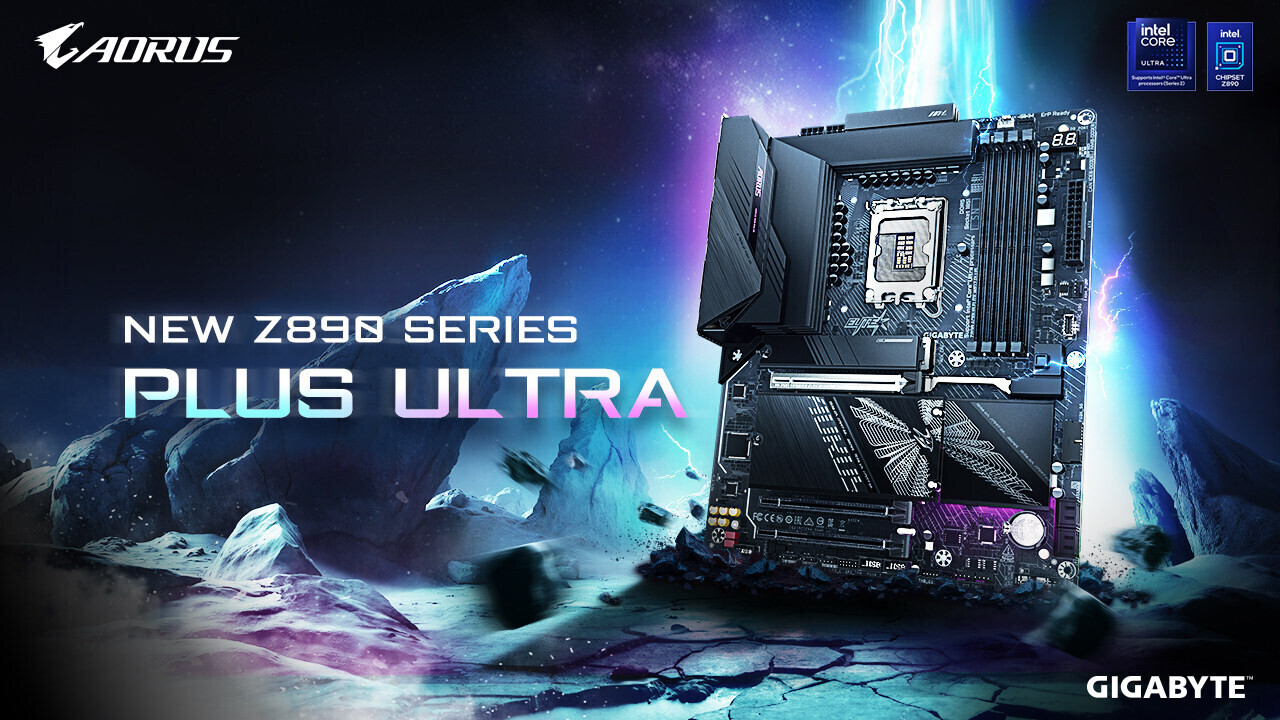
While the Z890 Plus series represents a significant advancement in memory capacity and speed, it also raises questions about its broader compatibility with other high-capacity memory modules beyond Quad-Rank varieties. Furthermore, the practical implications of these specifications on real-world gaming performance remain to be fully explored, particularly as the industry continues to push the boundaries of what is possible.
The Z890 Plus motherboards from Gigabyte are not just a step forward but a leap into the future of high-performance computing. As demands for memory and processing power grow—driven in part by advancements in AI—the innovations introduced with this series will play a crucial role in meeting those needs. For users who require both capacity and speed without compromise, these boards are a promising solution that aligns with the evolving landscape of gaming and performance computing.