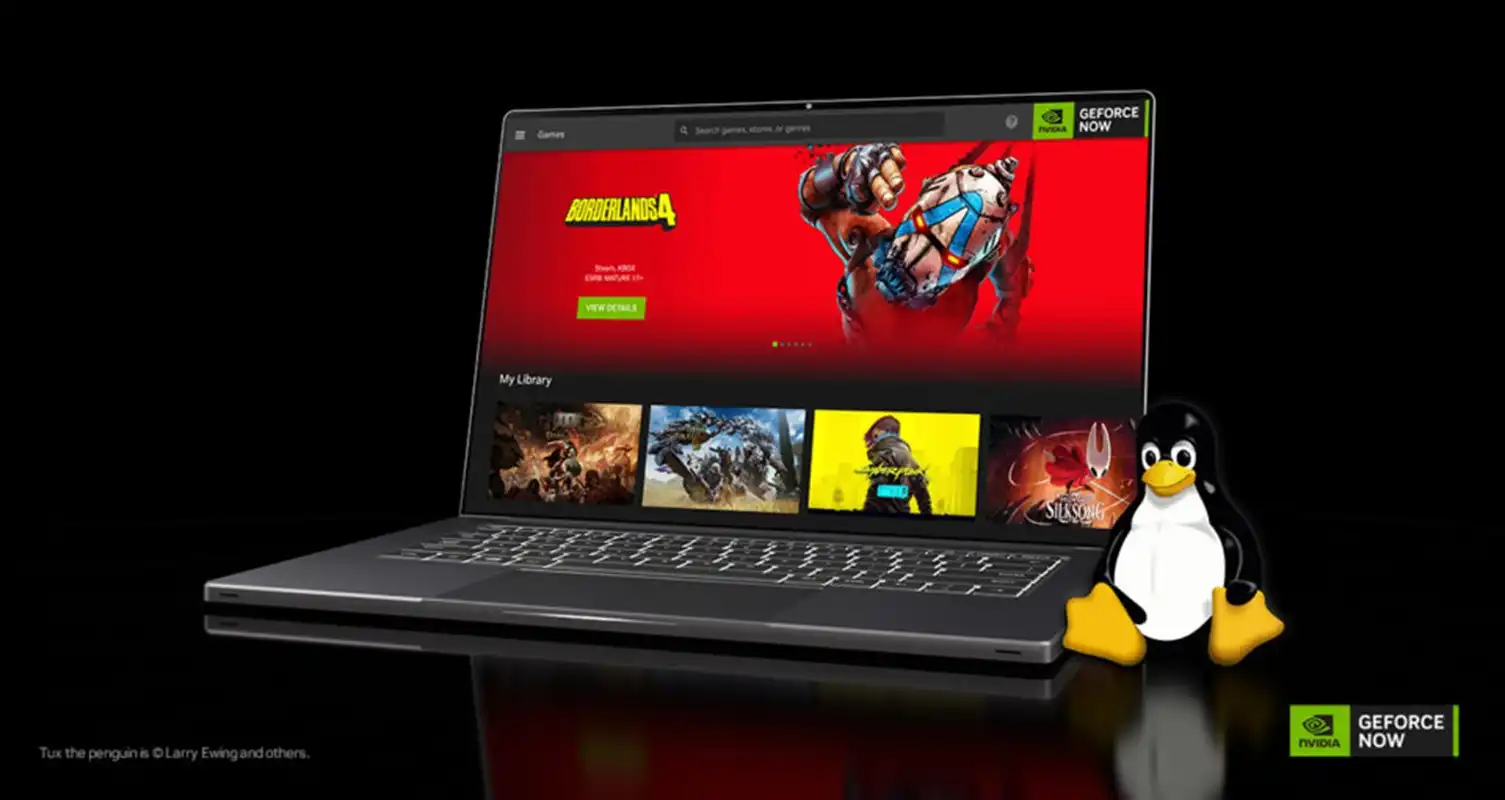
NVIDIA has taken a significant step toward democratizing cloud gaming by releasing an open-source desktop application for GeForce Now. This move aims to provide users with greater control over their gaming experience, including customization options and improved performance metrics.
The new application, which is currently in its early stages but available for testing, integrates seamlessly with GeForce Now's existing cloud gaming infrastructure. It introduces features that address long-standing user requests, such as better latency management and more intuitive interface controls. While NVIDIA has not confirmed a final release date, the open-source nature of the project suggests rapid development and community-driven improvements.
Key specs for the application include
- Open-Source Framework: Built on an open-source foundation, allowing developers to contribute and customize the experience.
- Performance Optimization: Designed to minimize input lag and improve frame rates, making cloud gaming feel more like local play.
- Customization Options: Users can tweak settings for resolution, bitrate, and audio to match their network conditions and preferences.
- Cross-Platform Support: Compatible with Windows 10 and 11, offering a unified experience across NVIDIA's ecosystem.
The application is particularly notable for its focus on efficiency. Unlike traditional gaming setups that often struggle with heat and power consumption, this tool is optimized to run cool and quiet, even during extended sessions. This could be a game-changer for users who prioritize longevity in their hardware or those working in environments where noise and heat are concerns.
For PC builders, the implications are substantial. The ability to fine-tune cloud gaming performance without overhauling existing systems means that even mid-range builds can deliver high-end gaming experiences. This could shift the balance for users who have invested in strong CPUs but may not yet be ready for next-gen GPUs. It also opens up possibilities for remote setups where local hardware is limited, but cloud power remains accessible.
The open-source model suggests that this tool will evolve quickly, with contributions from both NVIDIA and the broader developer community. Early adopters are already experimenting with custom builds, hinting at a future where cloud gaming is not just about accessing powerful servers but also about shaping the tools that connect users to those servers.
While the full scope of this application's capabilities remains to be seen, its potential to redefine cloud gaming is clear. For now, users can test the early versions and provide feedback, shaping a product that could become a cornerstone for how we think about gaming in the cloud. The focus on efficiency and customization positions it as a tool that could benefit not just gamers but also those in professional workflows where remote rendering is becoming increasingly common.