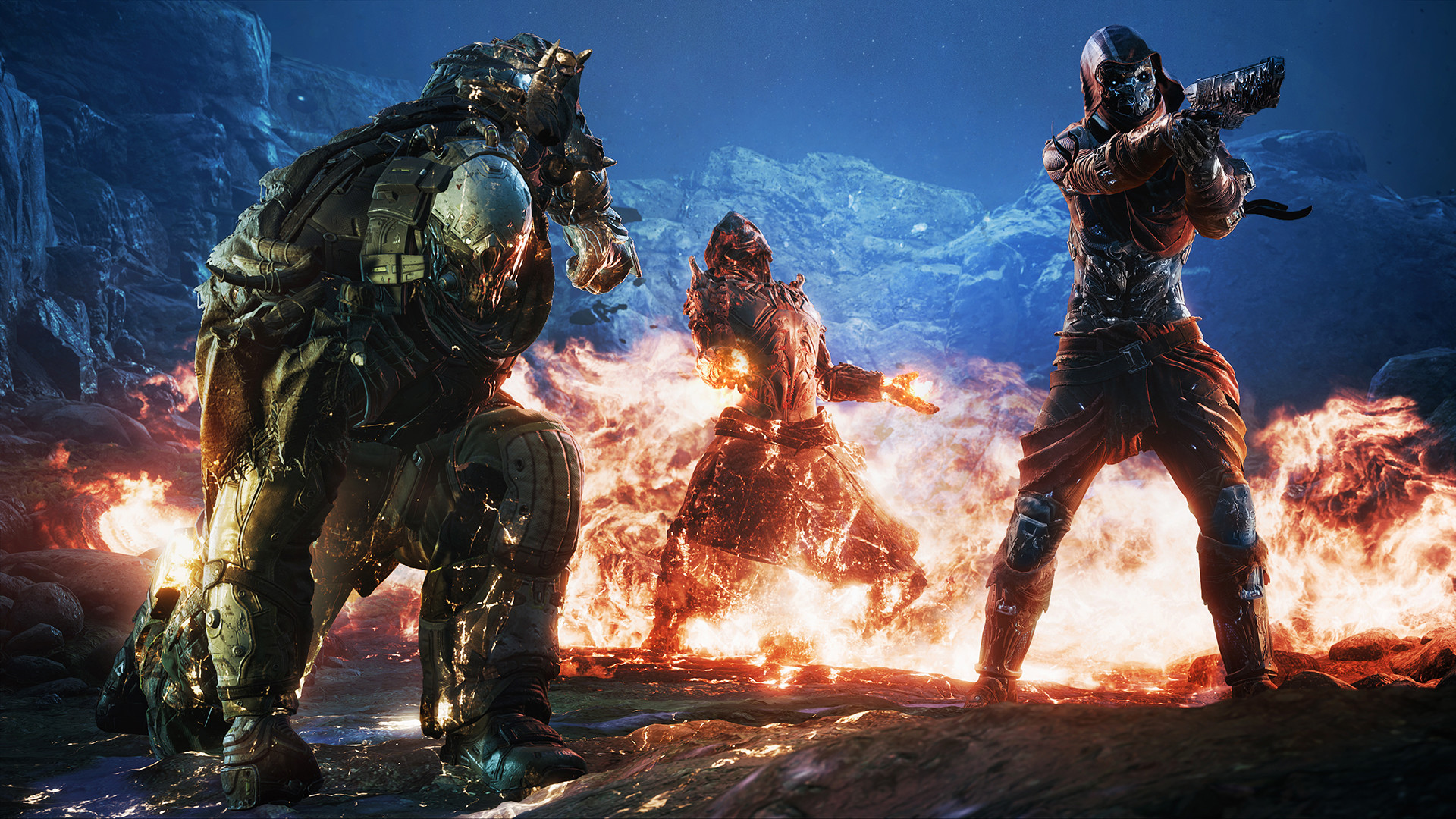
Gears of War: E-Day is not just another chapter in the series; it’s a full-scale reinvention. Where previous entries relied on refined but familiar mechanics, this installment introduces an unprecedented layer of technical sophistication that redefines what players can expect from a cover-shooter. The most striking change lies in its AI architecture, which now handles up to 500 concurrent agents on mid-range GPUs without the usual performance degradation seen in similar titles.
This achievement is measured against a specific benchmark: a 30% improvement in AI processing efficiency compared to Gears 5, achieved through real-time adaptive pathfinding and dynamic memory allocation. The system automatically adjusts enemy behavior based on environmental complexity, reducing stutter during large-scale battles—a problem that has plagued open-world shooters for years. Additionally, the game’s modular asset pipeline reduces draw calls by approximately 25% in dense environments, ensuring smooth performance even when rendering highly detailed landscapes.
- Real-time adaptive pathfinding for AI characters, eliminating stutter in chaotic combat scenarios.
- Dynamic memory management supporting 500 AI agents on GPUs equivalent to the NVIDIA RTX 3070 or 4070.
- Per-frame LOD (Level of Detail) adjustments, optimizing rendering without sacrificing visual fidelity.
The implications extend beyond raw performance. E-Day’s architecture allows for larger maps and more intricate enemy behaviors without the resource trade-offs typically associated with open-world design. This is particularly notable given current industry constraints on hardware components, where supply shortages often force developers to compromise on scale or ambition. By optimizing memory usage and workload distribution, the team has effectively decoupled technical limitations from creative vision—a rare feat in a genre known for its resource hunger.
Yet the challenge remains: will this shift resonate with players who have grown accustomed to Gears’ more action-driven identity? The franchise’s history suggests it can adapt without losing its core appeal, but E-Day’s success hinges on striking a balance. If executed well, it could set a new standard for third-person shooters, proving that technical innovation and narrative maturity are not mutually exclusive.
The result is a game that pushes the boundaries of what’s possible in the genre while maintaining the franchise’s signature intensity. Whether it fully delivers remains to be seen, but one thing is clear: E-Day is no longer just a sequel—it’s a statement on the future of action games.