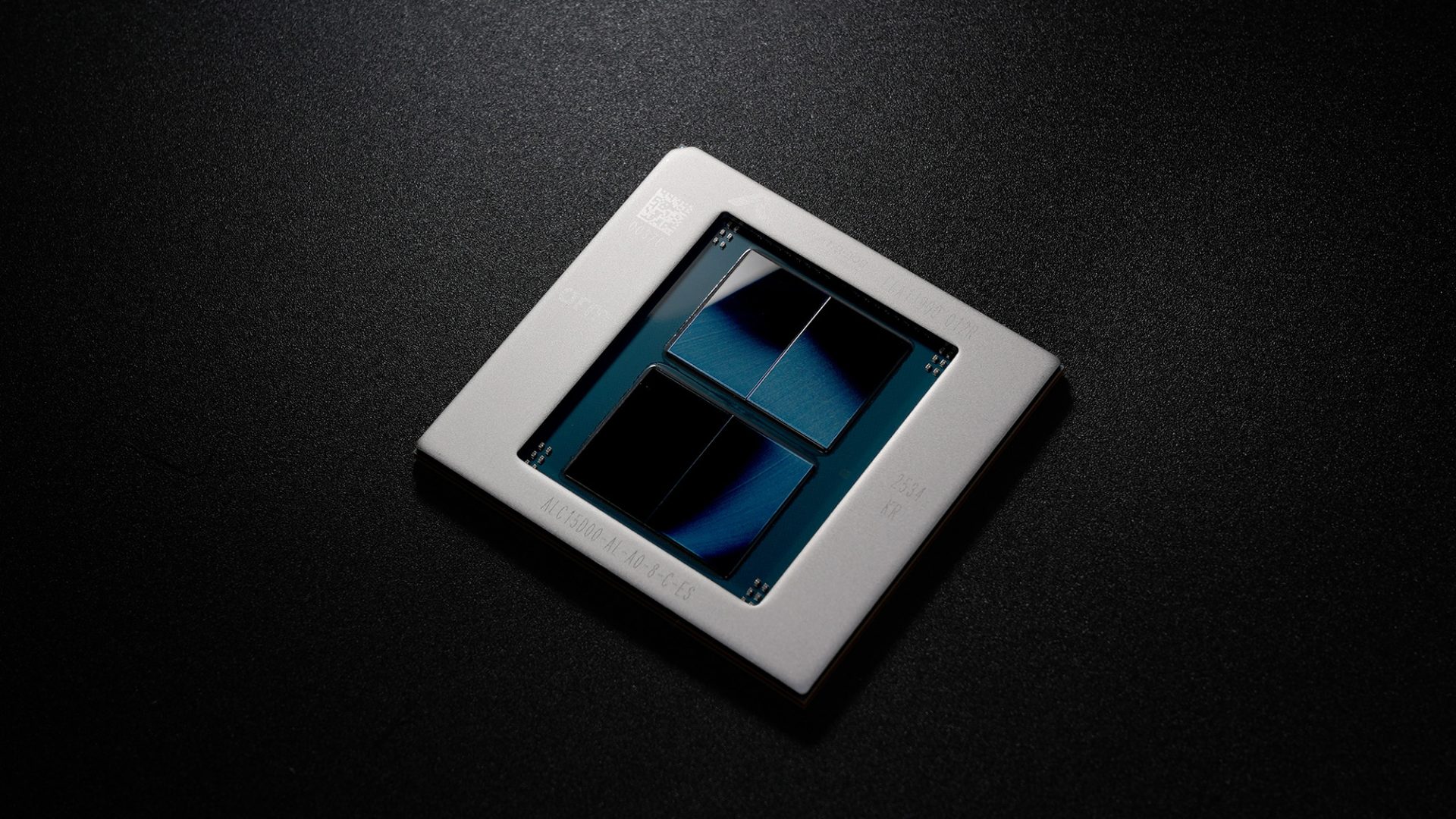
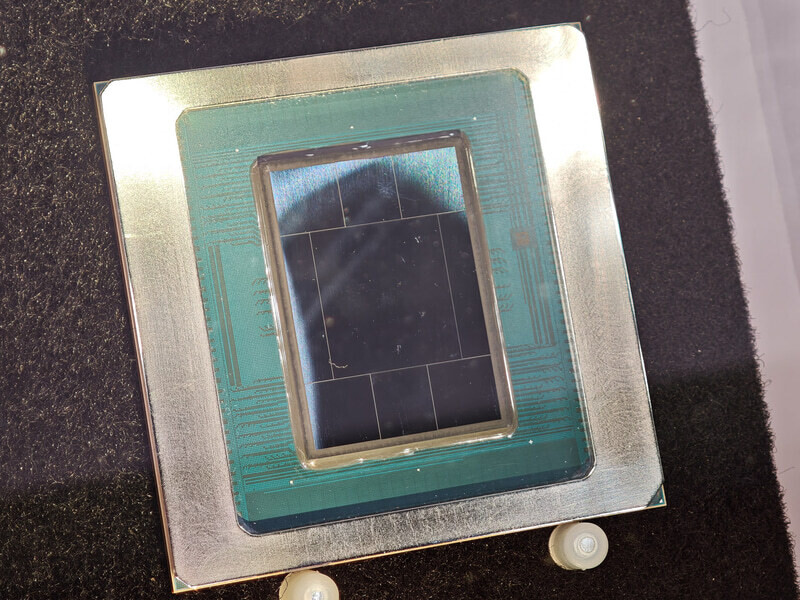
Fujitsu’s MONAKA CPU sample marks a significant shift in high-performance computing, leveraging TSMC’s 2 nm process node for core dies and N5 for cache layers within a 3.5D XDSiP package. This design allows for a 144-core single-chip configuration or up to 288 cores in dual-socket setups, paired with 12-channel DDR5 memory and PCIe 6.0 support—including CXL 3.0—for accelerated data movement.
The CPU’s architecture is built around Armv9-A, optimized for AI inference, simulation, and large-scale data processing. Broadcom’s XDSiP packaging stacks four 36-core chiplets face-to-face with SRAM tiles via hybrid copper bonding, a technique that improves thermal efficiency while enabling denser integration than traditional 2D designs. This approach mirrors recent trends in CPU development, where multi-chiplet layouts are becoming standard for performance gains without sacrificing power efficiency.
- Architecture: Armv9-A
- Core count: 144 (single chip) / 288 (dual-socket)
- Process node: TSMC 2 nm for core dies, N5 for cache layers
- Memory support: 12-channel DDR5
- Connectivity: PCIe 6.0 with CXL 3.0
- AI acceleration: Arm SVE2 instruction set
The MONAKA is designed to address the growing demand for compute-intensive workloads, particularly in AI training and high-performance computing (HPC). Its two-socket scaling capability positions it as a successor to Fujitsu’s A64FX, which powered the Fugaku supercomputer—once the world’s fastest, achieving 1.421 ExaFLOPS with FP16 precision. The new CPU is expected to push performance further while improving power efficiency, though exact benchmarks remain unconfirmed.
Mass production is targeted for 2027, following initial customer shipments in summer 2026. Fujitsu’s focus on external sales suggests strong interest from enterprises seeking high-core-count solutions, particularly those transitioning from traditional x86 to Arm-based architectures. The combination of 3D packaging and advanced process nodes sets a new benchmark for HPC and AI workloads, though adoption will depend on balancing cost and performance in real-world deployments.
The MONAKA’s design underscores the industry’s pivot toward multi-chiplet systems, where packaging innovation becomes as critical as silicon advancements. As competitors like AMD and NVIDIA push their own high-core solutions, Fujitsu’s move highlights the competitive landscape shaping next-generation supercomputing.