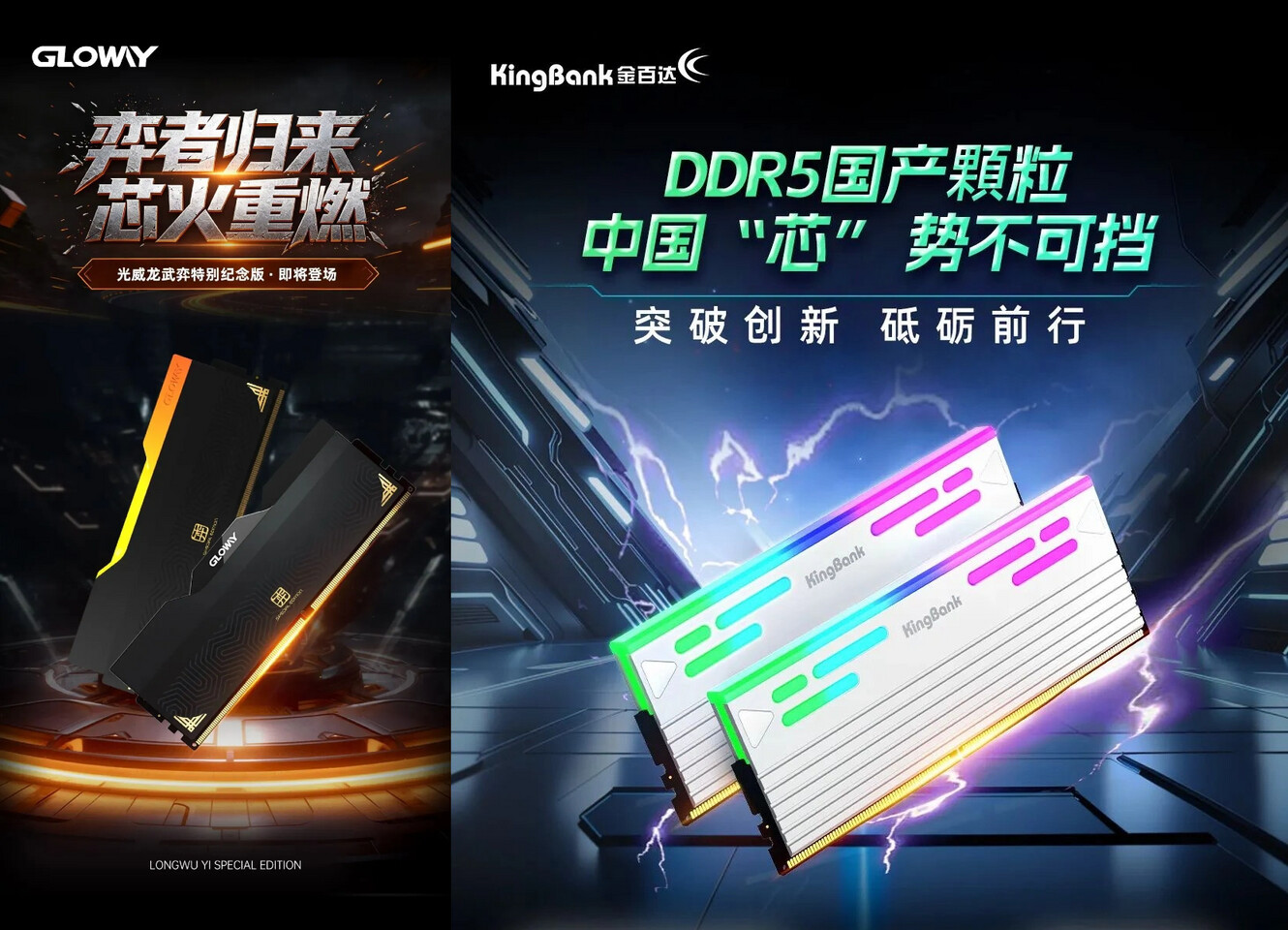
Framework has announced a series of price adjustments for its pre-built laptops and desktops in response to ongoing DRAM shortages, marking another milestone in an industry-wide shift driven by surging memory costs. The changes, which take effect immediately, include increases on DDR5 SODIMMs—now priced as high as $13–$18 per gigabyte—along with re-evaluations of select pre-built configurations for the Framework Laptop 16 and the Framework Desktop.
This latest round of adjustments comes at a time when memory prices have become increasingly volatile. The company notes that lower-capacity DDR5 sticks are trending toward the higher end of the price bracket, further squeezing budgets for consumers and businesses alike. While Framework maintains some inventory of 2 TB, 4 TB, and 8 TB SN850X SSDs at below-market rates, it warns that stockpiles of low-cost storage are being depleted faster than anticipated.
The ripple effects of the DRAM crisis are also being felt in silicon supply. The Intel Core i5-1334U processor, a key component in the Framework Laptop 12, is now in limited supply, underscoring the depth of current constraints on both memory and CPU availability. Framework predicts that prices for its 12-inch, 13-inch, and 16-inch laptop models will continue to rise in the coming months as demand outpaces production.

Key Details
- DDR5 SODIMM Pricing: $13–$18 per gigabyte (higher for lower capacities)
- Affected Models: Framework Laptop 16, Framework Desktop, and select pre-built SKUs
- SSD Inventory: 2 TB, 4 TB, and 8 TB SN850X SSDs still available at discounted rates (supply dwindling)
- Processor Impact: Intel Core i5-1334U in limited supply due to DRAM-related fabrication constraints
The situation is not unique to Framework. Across the tech industry, manufacturers are grappling with similar challenges, from NVIDIA’s reported delays in GPU production to broader warnings about sustained memory shortages well into 2028. For consumers, this means a period of heightened scrutiny when selecting hardware, particularly for systems that rely on high-capacity RAM or storage.
Framework’s approach—maintaining transparency through monthly updates and adjusting pricing incrementally—stands in contrast to some competitors who have opted for more abrupt cost changes. Whether this strategy will mitigate long-term customer frustration remains to be seen, but it signals a cautious, data-driven response to an unpredictable market.
The adjustments do not yet include the RTX 5090, which has been linked to separate supply chain dynamics tied to AI-driven demand. For now, consumers looking for high-performance configurations should weigh the trade-offs between immediate cost and long-term value, especially as memory prices remain unstable.