Fortnite is tightening its anti-cheat measures with a February 19 update that will enforce three hardware-level security features: Secure Boot, Trusted Platform Module (TPM), and IOMMU (Input-Output Memory Management Unit).
Secure Boot and TPM are already familiar to Windows 11 users, as both are mandatory for the operating system. However, IOMMU—less commonly enabled—will now be required for tournament play. This feature acts as a gatekeeper between hardware devices and system memory, preventing unauthorized access during boot.
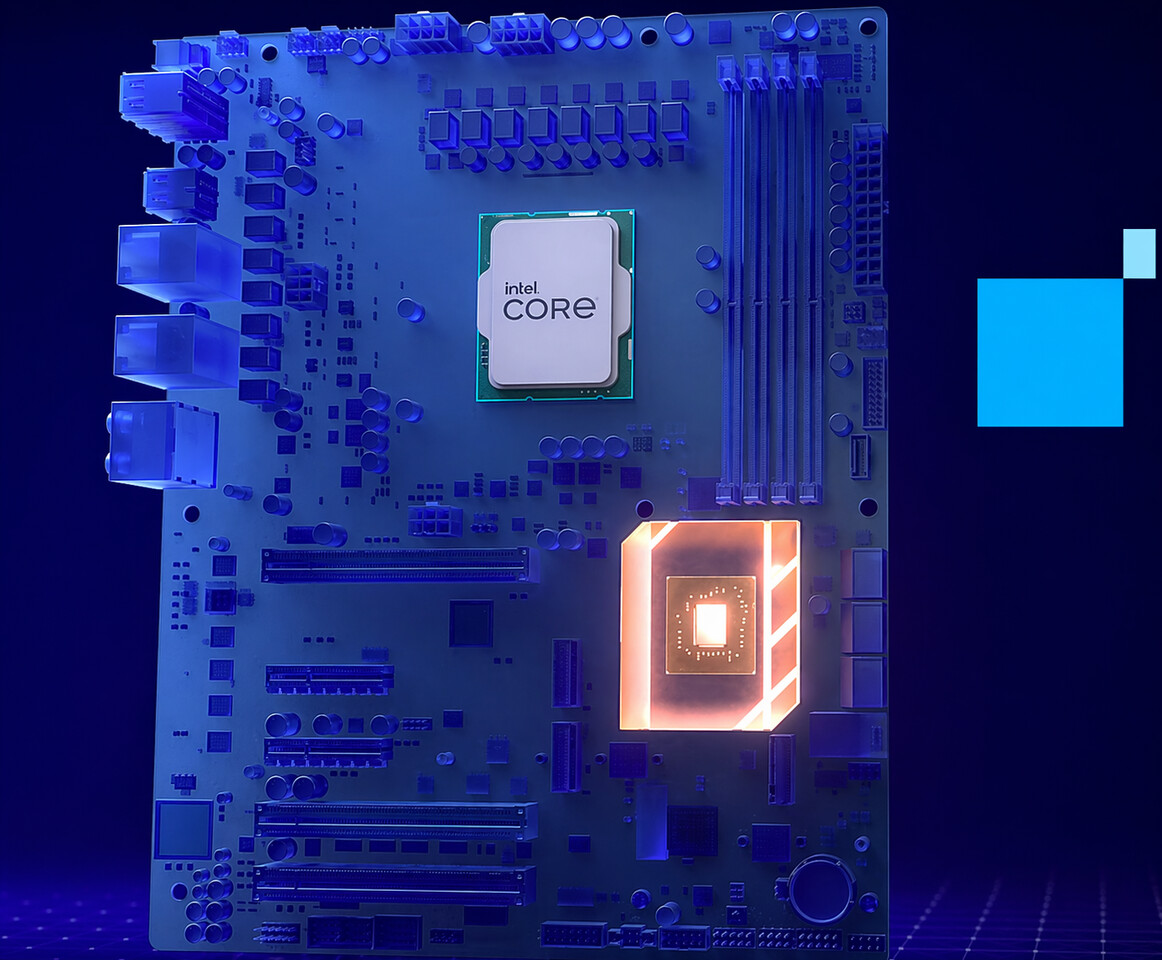
Most PCs built in the last five years likely support these features, but they may need to be activated in the BIOS or via a firmware update. Epic Games notes that roughly 95% of Fortnite players on PC already meet these requirements, particularly if their system is Windows 11-compatible.
The shift reflects a broader trend in competitive gaming, where titles like Valorant and Battlefield 6 have similarly enforced hardware checks. In Valorant’s case, a recent vulnerability in IOMMU—where devices could potentially hijack memory before OS load—forced motherboard manufacturers like ASUS, Gigabyte, MSI, and ASRock to release critical BIOS patches. While Fortnite hasn’t specified whether the latest BIOS updates are mandatory, keeping firmware current is advisable.

- Secure Boot and TPM are already enabled on most modern systems, often as part of Windows 11 requirements.
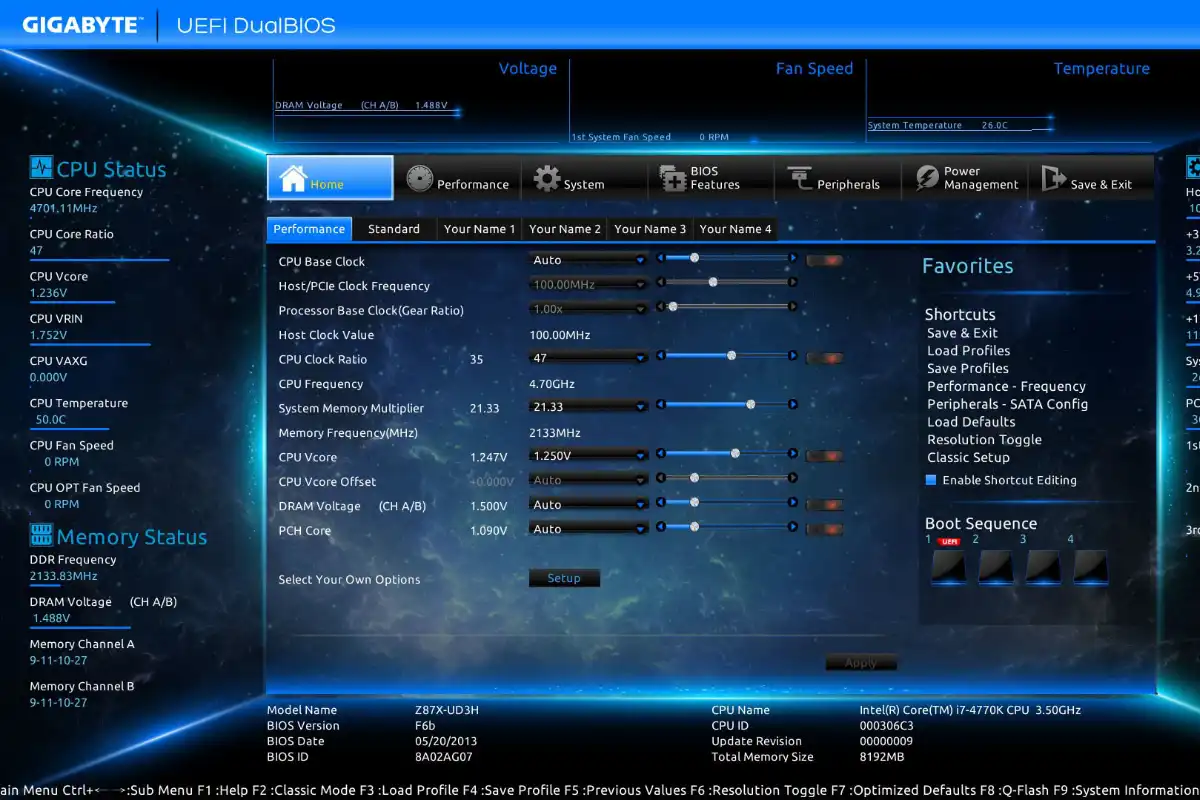
- IOMMU must be enabled in BIOS—check your motherboard manual if unsure how to access these settings.
- If your PC is Windows 11-compatible, you’re likely already compliant.
- Firmware updates may be necessary for full protection, especially if you’re using older hardware.
For players relying on Linux or custom OS setups, these changes could pose challenges, as kernel-level anti-cheat systems often conflict with non-standard configurations. Epic Games hasn’t indicated whether non-Windows systems will be supported post-update, leaving some gamers to weigh the trade-offs between hardware requirements and flexibility.
What’s next? If you’re running an older system or haven’t enabled these features, now is the time to check your BIOS. For most, it’s a matter of toggling a few settings—though a firmware update could take longer. The update underscores how anti-cheat measures are increasingly blending hardware and software, pushing manufacturers and players to stay ahead of exploits.