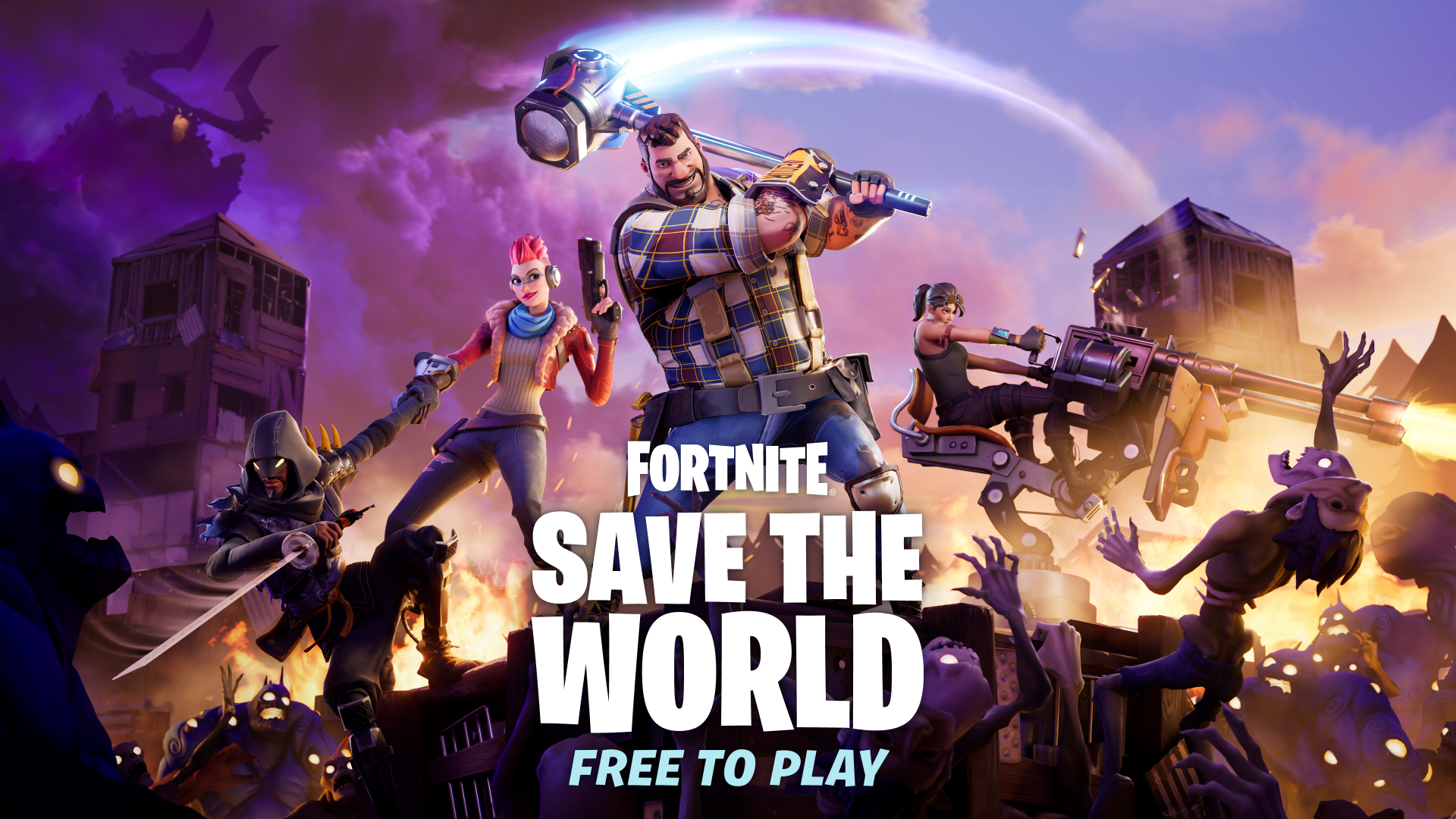
Epic Games is set to redefine its flagship title with the return of Fortnite: Save the World as a free-to-play experience on April 16, 2026. This move signals a pivotal moment for the franchise, revisiting its roots while expanding its reach across a broad spectrum of platforms.
Unlike the battle royale mode that has dominated gaming discourse for nearly a decade, Fortnite: Save the World originally launched as a PvE co-op campaign where players collaborated to build and survive against hordes of monsters. This return aims to cater to a different audience segment, focusing on cooperative gameplay in a destructible world. The game will be available on most major platforms, including PS5, PS4, Xbox Series X/S, Xbox One, Nintendo Switch 2, PC, GeForce NOW, Amazon Luna, and Xbox Cloud Gaming. Notably absent from this list are the original Nintendo Switch and mobile devices, even when accessed through cloud gaming services.
The revamped mode promises to introduce a fresh dynamic to the Fortnite ecosystem. Players will engage in large-scale cooperative missions, emphasizing teamwork and strategic building against AI-controlled enemies. This shift could appeal to players seeking a more structured and collaborative experience compared to the fast-paced battle royale format. Additionally, community goals have been set for pre-registration milestones, targeting 300K, 700K, and 1M registrations, indicating Epic Games' ambition to gauge player interest and momentum leading up to the launch.
For creators and developers, this new mode presents an opportunity to explore cooperative gameplay mechanics in depth. The focus on building and survival against AI opponents could offer a distinct creative challenge, particularly for those interested in large-scale collaborative projects or procedural content generation. However, the exclusion of certain platforms like mobile devices may limit its immediate accessibility, potentially narrowing its initial player base.
Looking ahead, this revival raises questions about how Fortnite: Save the World will integrate with the existing battle royale mode and other live service elements within the broader Fortnite universe. Will it operate as a separate entity, or will there be crossover events and shared progression systems? These are details that remain unconfirmed but will be critical in determining the long-term success and player engagement of this new offering.
As it stands, Fortnite: Save the World is poised to offer a unique experience within the franchise, blending cooperative action with the destructible world that has become synonymous with the brand. For players and creators alike, this return represents a chance to revisit the origins of Fortnite while pushing forward into new territories of gameplay and innovation.