The next big sci-fi RPG isn’t just about choosing between loyalty missions or grinding for XP. EXODUS, the ambitious action RPG from Archetype Entertainment, is betting on a radical approach to side content—one where every detour from the main story feels essential to the world and its characters.
With the game’s launch window closing in, narrative architect Drew Karpyshyn—best known for crafting the original Mass Effect trilogy—has emphasized that EXODUS’s side quests won’t be afterthoughts. They’re designed to mirror the game’s thematic depth and companion-driven storytelling, ensuring players engage with them not for rewards alone, but because they’re compelling in their own right.
�The goal isn’t to create content just to pad the experience,’ Karpyshyn explains. ‘We want players to feel like they’re choosing to explore these moments—not because they’re required, but because they’re meaningful.’ This philosophy extends to how side content integrates with the game’s companions, ensuring even peripheral stories reinforce the bonds between players and their crew.
Lore Too Rich for One Game
The EXODUS universe is already sprawling. Beyond the game itself, the franchise includes a published novel, The Archimedes Engine, an upcoming book, The Helium Sea, and even a tabletop RPG, the Traveler’s Handbook. Yet, the development team acknowledges that no single game can contain it all.
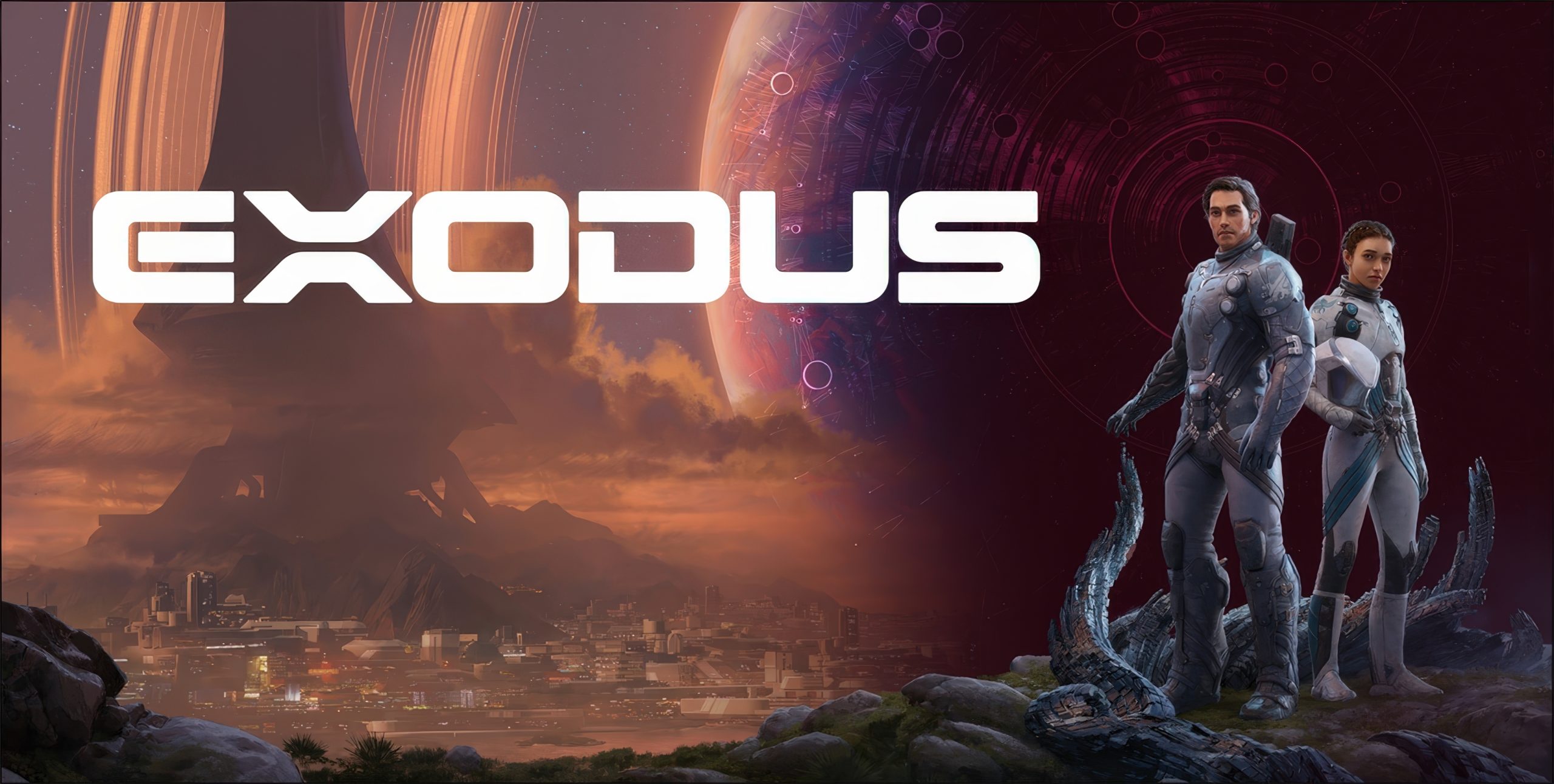
�We’re focusing on a few core themes that resonate with the broader team and audience,’ Karpyshyn notes. ‘The rest will have to wait for future entries—if they ever come.’ The challenge now is whether EXODUS can deliver on its narrative promise before securing further greenlights from Wizards of the Coast, which owns the franchise.
Key Design Principles
- Companion-Centric Quests: Side content will expand on relationships with crew members, offering personal stories that feel like natural extensions of their arcs.
- Thematic Depth: Every quest ties back to the game’s central themes, ensuring even minor detours contribute to the world’s lore and atmosphere.
- Player Agency: No forced grinding. Rewards exist, but the focus is on curiosity—quests players would pursue even without XP gains.
- Scaled Lore: The team is prioritizing a manageable subset of the franchise’s vast universe, leaving room for sequels if the first game resonates.
For fans of narrative-driven RPGs, this approach could set EXODUS apart. If executed well, it might redefine what side content can be—not just filler, but a vital part of the experience.
Launch details remain unconfirmed, but the game’s narrative direction suggests a title that values storytelling over mechanics, even if its universe is far from exhausted.