A quiet but seismic shift is underway in the graphics industry. Key figures behind AMD’s GPUOpen initiative—including the former lead of FidelityFX Super Resolution (FSR)—have reportedly moved to NVIDIA and Intel, taking with them expertise that has long shaped open-source graphics development. While the exact number remains unconfirmed, insiders suggest a substantial portion of the team may have relocated, signaling a potential realignment in how major GPU vendors approach real-time rendering.
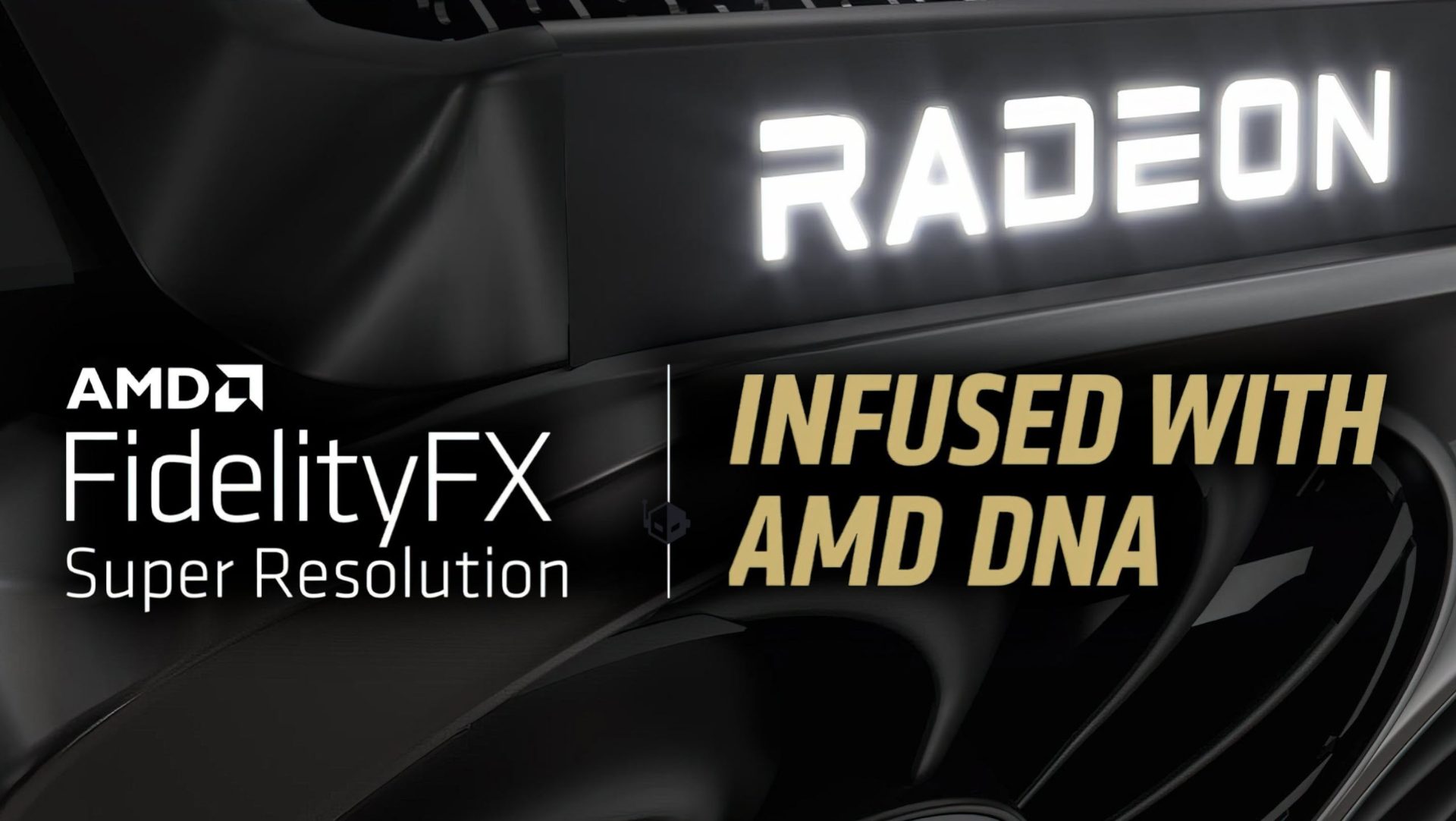
This exodus follows years of AMD’s aggressive push to standardize and democratize graphics technology through open-source projects like FSR, which aimed to bridge performance gaps between proprietary and open solutions. The departure of core contributors—many with deep experience in rasterization, compute shaders, and cross-platform optimization—could leave a void in the open ecosystem while bolstering NVIDIA’s and Intel’s proprietary stacks. For developers working on data-driven workloads or AI-accelerated applications, this shift may introduce new constraints in interoperability and tooling support.
Historically, AMD’s GPUOpen platform served as a counterbalance to NVIDIA’s CUDA dominance by providing open-source alternatives for ray tracing, compute, and rendering. Projects like FSR became industry standards, adopted even by competitors, due to their performance efficiency. If the reported movement holds, it could accelerate the fragmentation of graphics development, where proprietary solutions gain traction at the expense of shared, vendor-agnostic frameworks.
The implications for real-world performance are less about raw hardware metrics and more about ecosystem resilience. Open standards have long allowed developers to optimize once and deploy across multiple architectures without vendor lock-in. If AMD’s open-source leadership weakens, the burden may fall on Intel or a new player to sustain that balance—or risk seeing NVIDIA’s dominance extend further into areas like AI-accelerated graphics processing.
What remains unclear is whether this shift will lead to tangible changes in how NVIDIA and Intel structure their software stacks. If proprietary tooling becomes more siloed, developers may face higher costs in maintaining cross-platform compatibility. Conversely, if the new teams bring fresh innovation to closed ecosystems, it could redefine performance benchmarks—though at the cost of interoperability. For now, the industry watches closely, aware that every talent migration reshapes not just roadmaps but the very foundation of how graphics technology evolves.