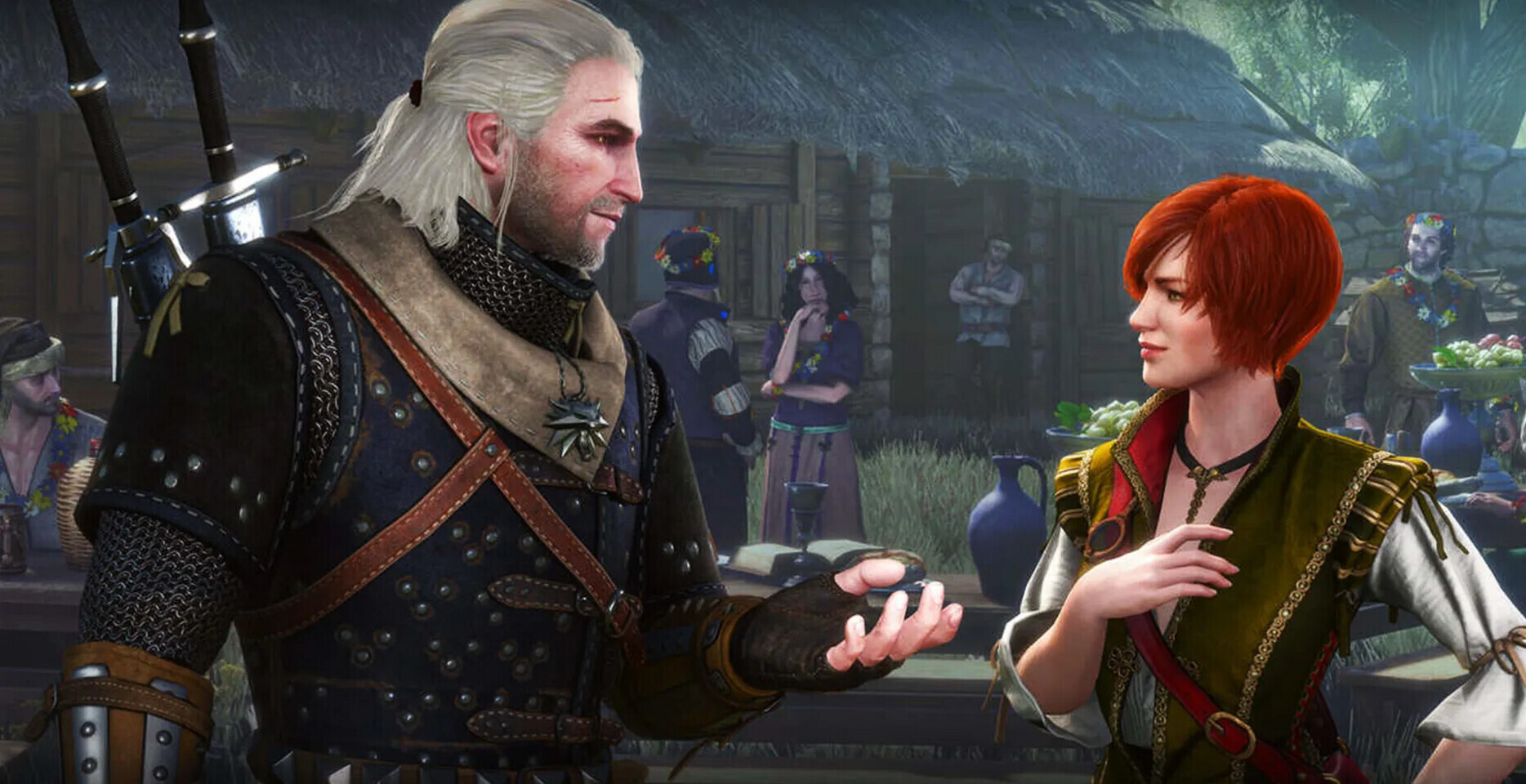
Dragon’s Dogma 2 arrived with high expectations—both for its gameplay innovation and its visual spectacle. But almost immediately, it became entangled in debates over monetization that threatened to overshadow its achievements. Now, Capcom is recalibrating its approach, cutting the price from $70 to $60 and removing all microtransactions. The changes suggest a deliberate pivot away from live-service models, positioning this installment as a premium single-player experience rooted in deep RPG mechanics.
The adjustments reflect a broader strategy to redefine how Dragon’s Dogma 2 is perceived in the market. While the game retains its ambitious mechanics and striking visuals, Capcom appears to prioritize player satisfaction over post-launch monetization—a notable departure from industry trends. For players who valued the original’s world design and combat depth, this correction could restore confidence in the franchise.
Technical Ambition Meets Accessibility
The game’s core mechanics, particularly its Pawn system for companion customization, remain unchanged. However, the removal of microtransactions eliminates any potential for paid advantages in progression or equipment. The base price reduction aligns it more closely with mid-tier RPGs while preserving its high-end visuals.
- Display: 4K resolution support, ray tracing, dynamic lighting
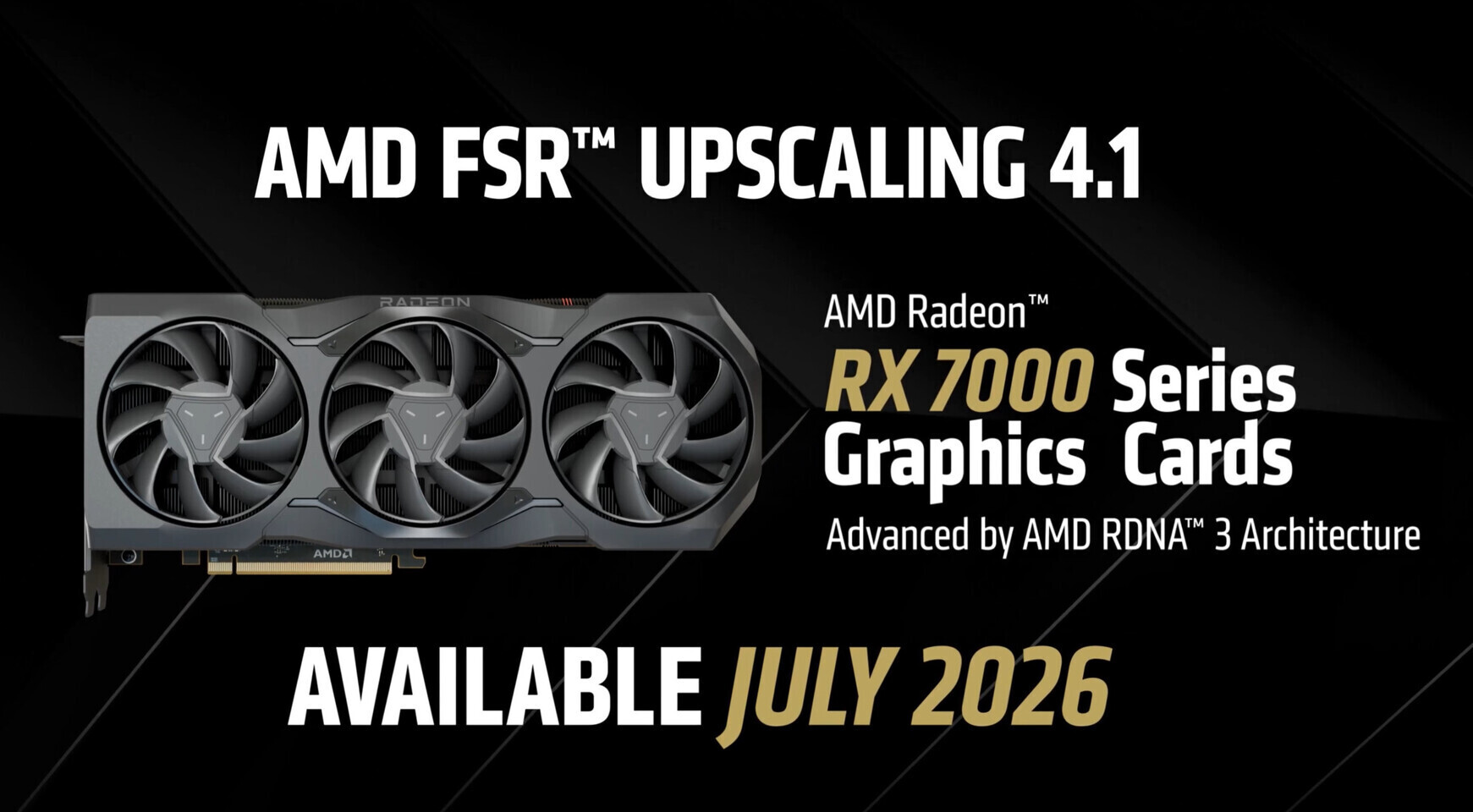
- Chip: AMD RDNA 3 architecture (confirmed for next-gen consoles)
- Memory: 16 GB GDDR6, 256-bit bus
- Storage: 1 TB SSD (minimum requirement), 1.5 TB recommended
- Power: 300W+ PSU suggested for sustained performance
These specifications ensure smooth gameplay on high-end systems, but the real question is whether the price cut will make it more accessible without diluting its premium feel. The original Dragon’s Dogma 2 was a technical showcase, and this version retains that ambition while removing financial barriers to entry.
A Shift That Could Redefine the Franchise
Capcom’s decision to eliminate microtransactions is particularly significant in an era dominated by live-service models. By focusing on a one-time purchase, the developer appears to prioritize player satisfaction over recurring revenue—a shift that could set a new precedent for its franchises. However, whether this will fully erase past backlash remains uncertain.
For enthusiasts, Dragon’s Dogma 2 still offers deep customization and an expansive world, but everyday players may now see it as a more straightforward RPG without the risk of paywalls. The price cut makes it a stronger contender against titles like Elden Ring and Starfield, though its niche appeal means it won’t necessarily broaden its audience.
Availability is expected later this year, with no further details on regional pricing beyond the base $60 figure. The game’s future will depend on whether these changes resonate with both hardcore fans and casual players alike, ensuring a lasting impact on the franchise’s trajectory.