DLSS 5 is here, promising a major step forward in AI-driven graphics—but the hype is running ahead of the facts.
The new version of Nvidia’s upscaling tech delivers noticeable performance improvements, but whether those translate into smoother gameplay or better visuals depends on how it’s used. Creators and developers need to separate what’s confirmed from what’s still speculative before jumping in.
At its core, DLSS 5 builds on the framework of previous versions while introducing new AI-driven optimizations. It claims to reduce latency and improve image quality, but the exact tradeoffs remain unclear. For now, the focus is on raw performance—something that could be a double-edged sword if the technology doesn’t deliver on its long-term promises.
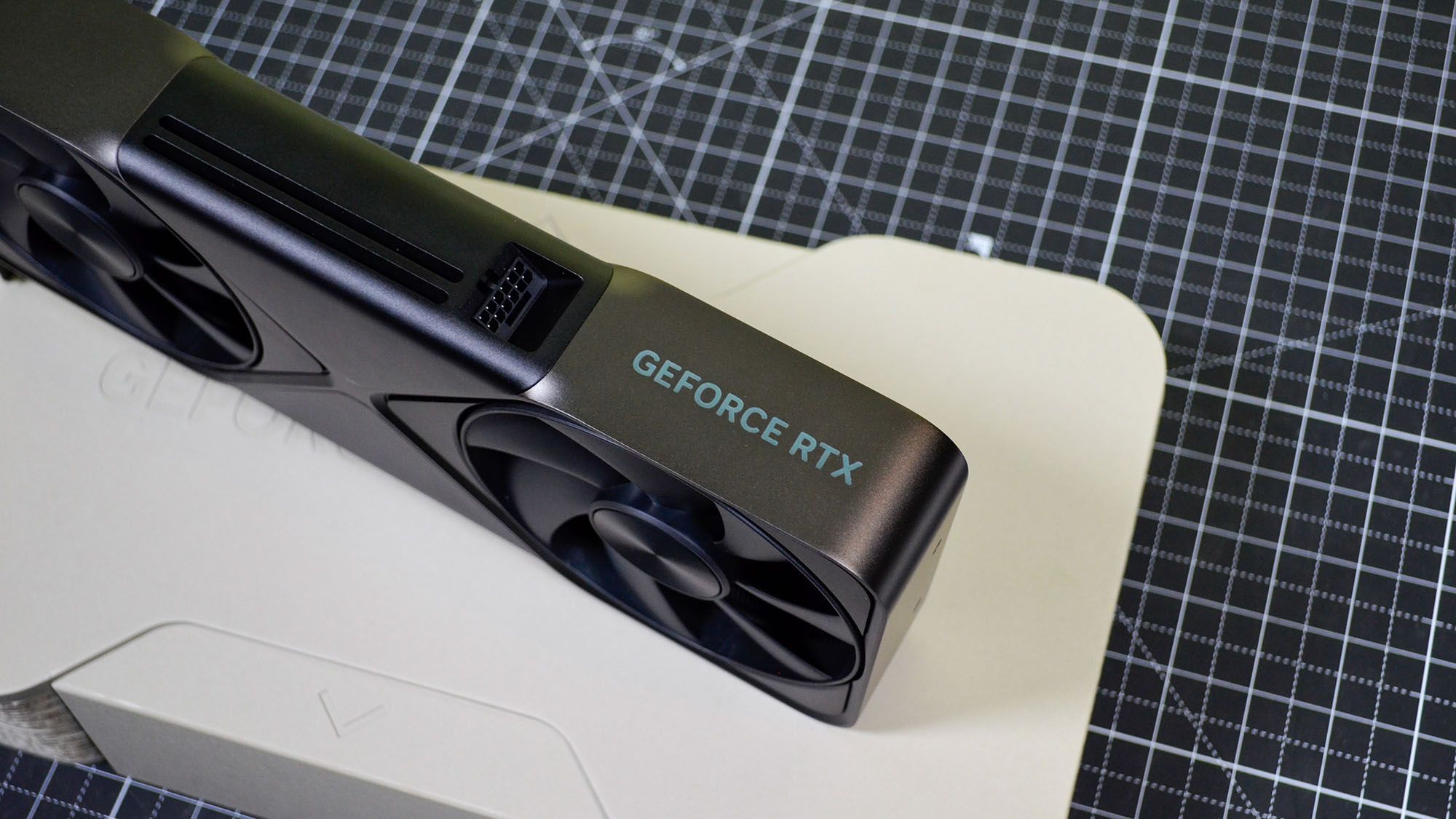
- Key specs:
- Performance boost: Up to 2x speed improvements in supported games and applications, with reduced latency in some scenarios.
- AI upscaling: Uses generative AI models to enhance resolution without sacrificing detail, though the exact impact on image quality is still being tested.
- Hardware requirements: Requires an Nvidia RTX 40-series GPU or newer for full functionality. Older GPUs may see limited benefits.
The biggest question isn’t whether DLSS 5 works—it’s whether it lives up to the marketing claims in real-world scenarios. Early benchmarks show promise, but the long-term stability and adoption remain uncertain. Creators should treat this as a preview rather than a final product, keeping an eye on how Nvidia addresses concerns about AI-generated artifacts.
For now, DLSS 5 is a step forward, but it’s not yet clear if it will become the 'GPT moment for graphics' that Nvidia hopes. The technology needs to prove itself beyond benchmarks before developers and users can fully trust its potential. Until then, caution is warranted.