For the first time in years, desktop processor performance gains are coming at a steep price. Intel’s Arrow Lake Refresh and AMD’s Ryzen AI 400 series, set to debut in late 2026, deliver only marginal improvements over current-generation chips, yet the cost of building or upgrading a system has never been higher due to persistent shortages of critical components like DDR5 RAM and high-speed SSDs.
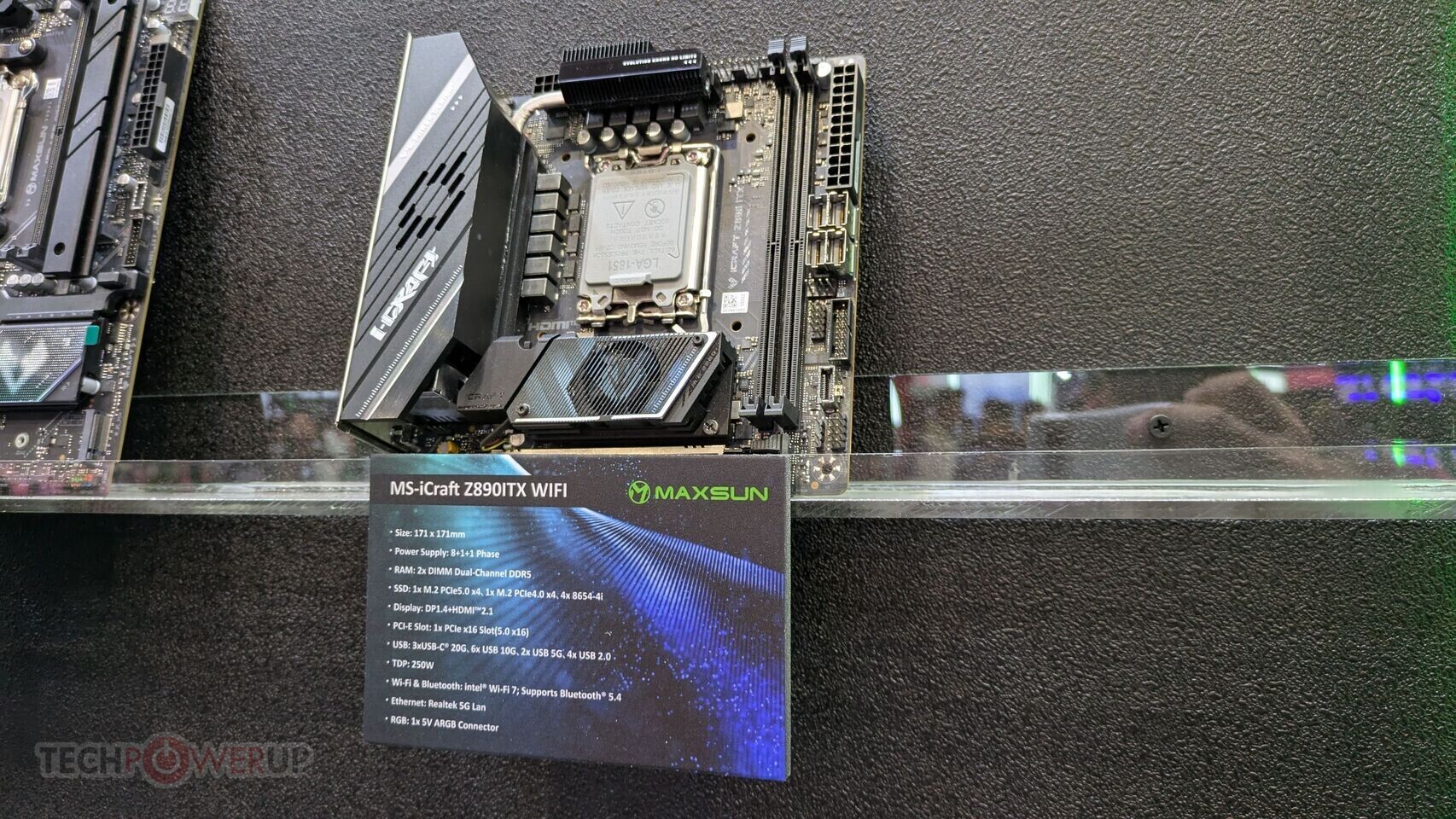
Intel’s upcoming Arrow Lake Refresh is expected to bring a 24-core Intel Core Ultra 7 270K Plus with a base clock of 3.70 GHz and a boost frequency of 5.5 GHz, designed for Socket 1851. While leaked benchmarks suggest single-core performance could improve by up to 20% compared to the original Arrow Lake, multi-core efficiency may vary depending on power delivery constraints. AMD’s Ryzen AI 400 series, built on Zen 5 architecture, will offer socketed AM5 chips with up to 12 cores and 24 threads, along with increased AI TOPS for specialized workloads.
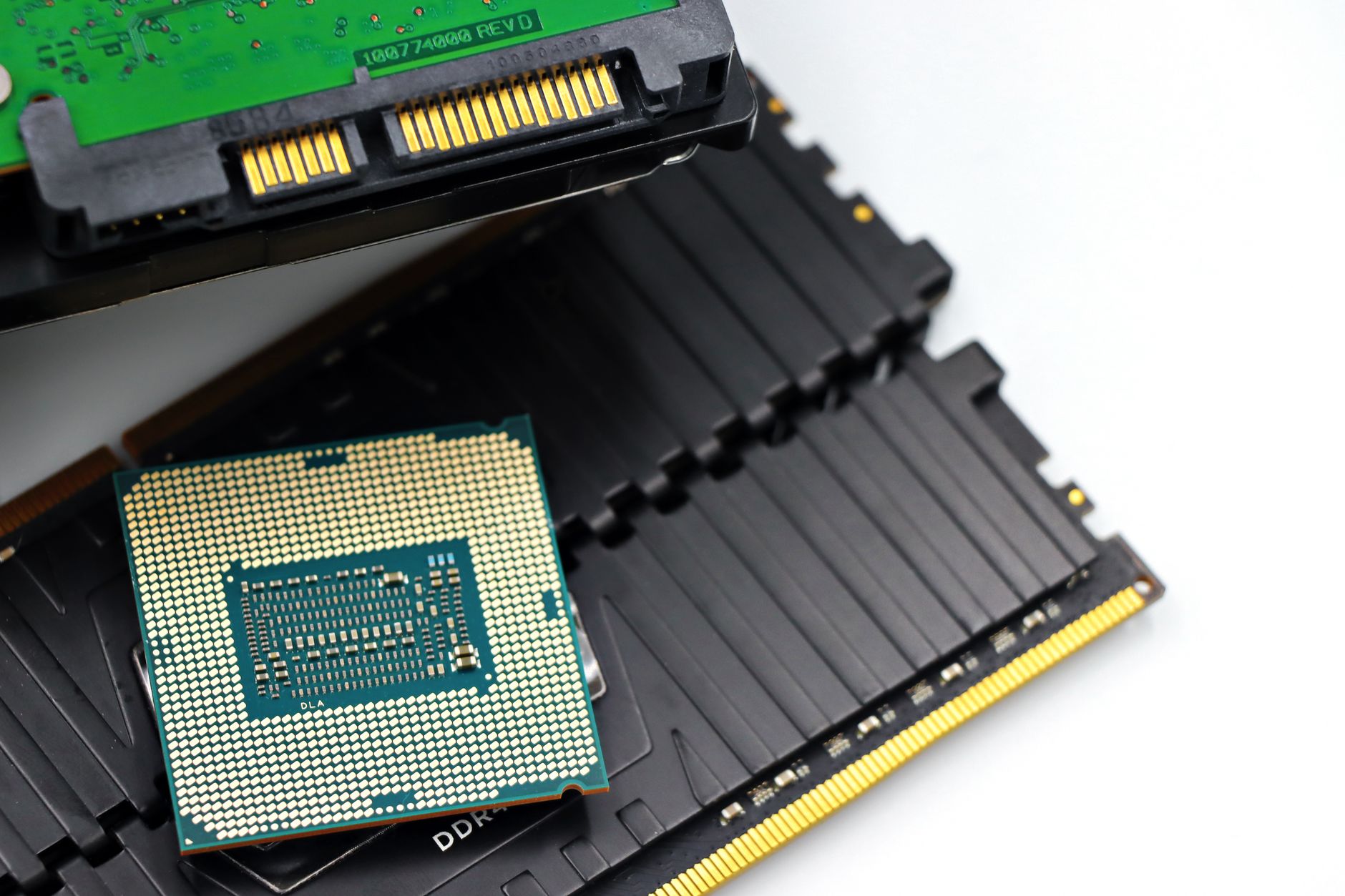
However, the real story of 2026 is not just performance but cost. DDR5 RAM prices remain roughly five times higher than pre-shortage levels, while SSD costs have doubled since late last year. This has forced buyers to reconsider whether incremental CPU upgrades are worth the premium, especially when older platforms like AMD’s AM4 continue to hold value in secondary markets.

Uncertainty looms over several key developments. Intel’s Arrow Lake Refresh, rumored for a March 23 launch but unconfirmed, may face delays due to supply chain pressures. Similarly, AMD’s Ryzen AI Max+ series, which promises up to 128GB of soldered LP-DDR5X memory, could see limited adoption given the current scarcity of DDR5 modules. Meanwhile, Intel’s Nova Lake and AMD’s Zen 6 (Olympic Ridge) may not arrive until 2027, pushing back major architectural leaps.
For enterprise buyers, refresh cycles are still underway, but choices are increasingly constrained by availability rather than performance needs. DIY builders face a tougher decision: whether to invest in premium DDR5 or high-end SSDs for marginal CPU gains or opt for more cost-effective alternatives that may not push the boundaries of performance.
The net effect is clear—2026 will be a year where desktop CPU upgrades deliver small steps forward but at a significant cost trade-off. Unlike previous years, where annual upgrades brought meaningful power increases at stable prices, buyers are now navigating a landscape where performance gains come with premium pricing, forcing tougher choices between value and cutting-edge technology.