The latest iteration of Dell's PowerEdge server lineup, the R770AP, is arriving with a focus on latency-sensitive workloads. Unlike traditional enterprise servers, this model is engineered from the ground up for applications that demand sub-millisecond response times—primarily AI training and high-performance computing (HPC). While details remain under wraps in some areas, what’s confirmed so far suggests a significant shift in how data centers approach workload acceleration.
At its core, the R770AP is built around 12th Gen Intel Xeon Scalable processors, which bring with them improvements in core counts and memory bandwidth. The platform supports up to 48 DIMMs of DDR5-4800 memory, a notable increase from previous generations. This isn’t just about raw capacity; it’s about reducing bottlenecks that can stall performance in high-intensity tasks.
One of the standout features is the integration of NVIDIA’s BlueField DPU (Data Processing Unit). The R770AP is one of the first servers to support this component, which offloads networking and security tasks from the CPU. This allows the main processor to focus more on compute-heavy workloads, potentially improving efficiency in AI training clusters where latency can make or break model convergence.
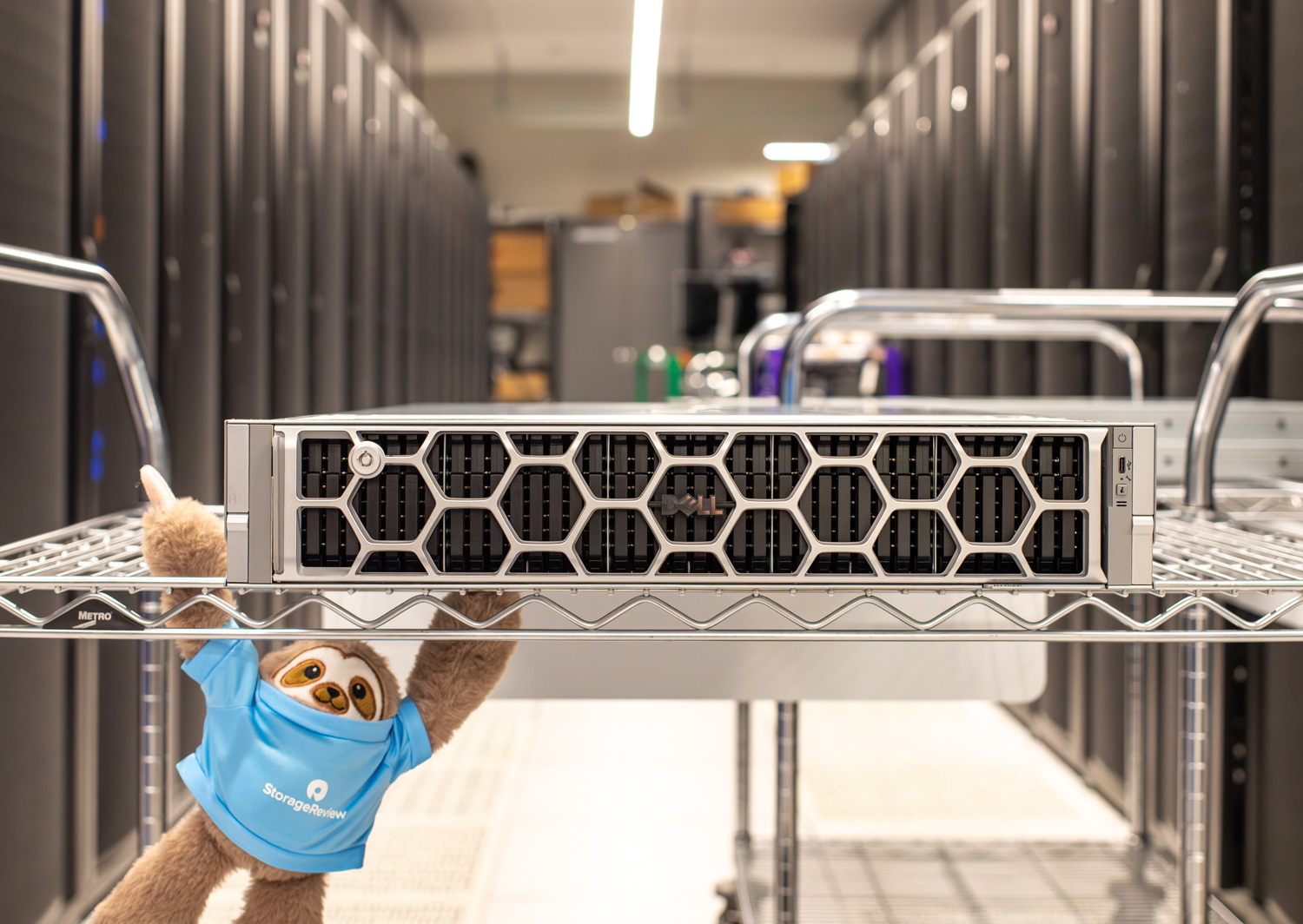
For PC builders and data center operators, the R770AP introduces a new dimension in upgrade decisions. The question isn’t just about whether to adopt it now, but how it fits into existing infrastructure. The support for BlueField DPUs, combined with the 12th Gen Xeon’s architecture, could make this a compelling choice for organizations looking to future-proof their setups without sacrificing performance.
However, there are unanswered questions. How will Dell handle software optimization for workloads that aren’t yet optimized for BlueField? And what does this mean for legacy systems that rely on traditional networking stacks? These are considerations that will shape adoption timelines and buying decisions in the coming months.
The R770AP isn’t just a server—it’s a statement about where data centers are headed. If the promise of lower latency holds, it could redefine how AI and HPC workloads are managed, pushing the industry toward more specialized, high-performance architectures.