The gaming landscape is shifting, and Crimson Desert has just added another layer to its strategy. The new pinball mode in Patch 1.10 doesn’t just introduce a fresh mechanic—it redefines how players interact with the game’s core mechanics. But what does this change mean for long-term engagement, and where does it stand among similar innovations?
At first glance, the pinball mode appears to be more than just a gimmick. It introduces a high-speed, skill-based challenge that rewards precision and quick reflexes. Players navigate through obstacles while collecting power-ups, all within a visually distinct pinball arena. The twist? These mechanics are deeply integrated with the game’s RPG elements, allowing players to earn rewards that carry over into the main campaign. This duality—balancing arcade-style gameplay with RPG progression—could set a new benchmark for hybrid experiences.
The update also includes other refinements, such as refined combat mechanics and adjustments to loot distribution. These changes aim to address previous criticisms about pacing and reward systems. Whether these tweaks will resonate with players remains an open question, but the pinball mode is already sparking conversations about innovation in the genre.
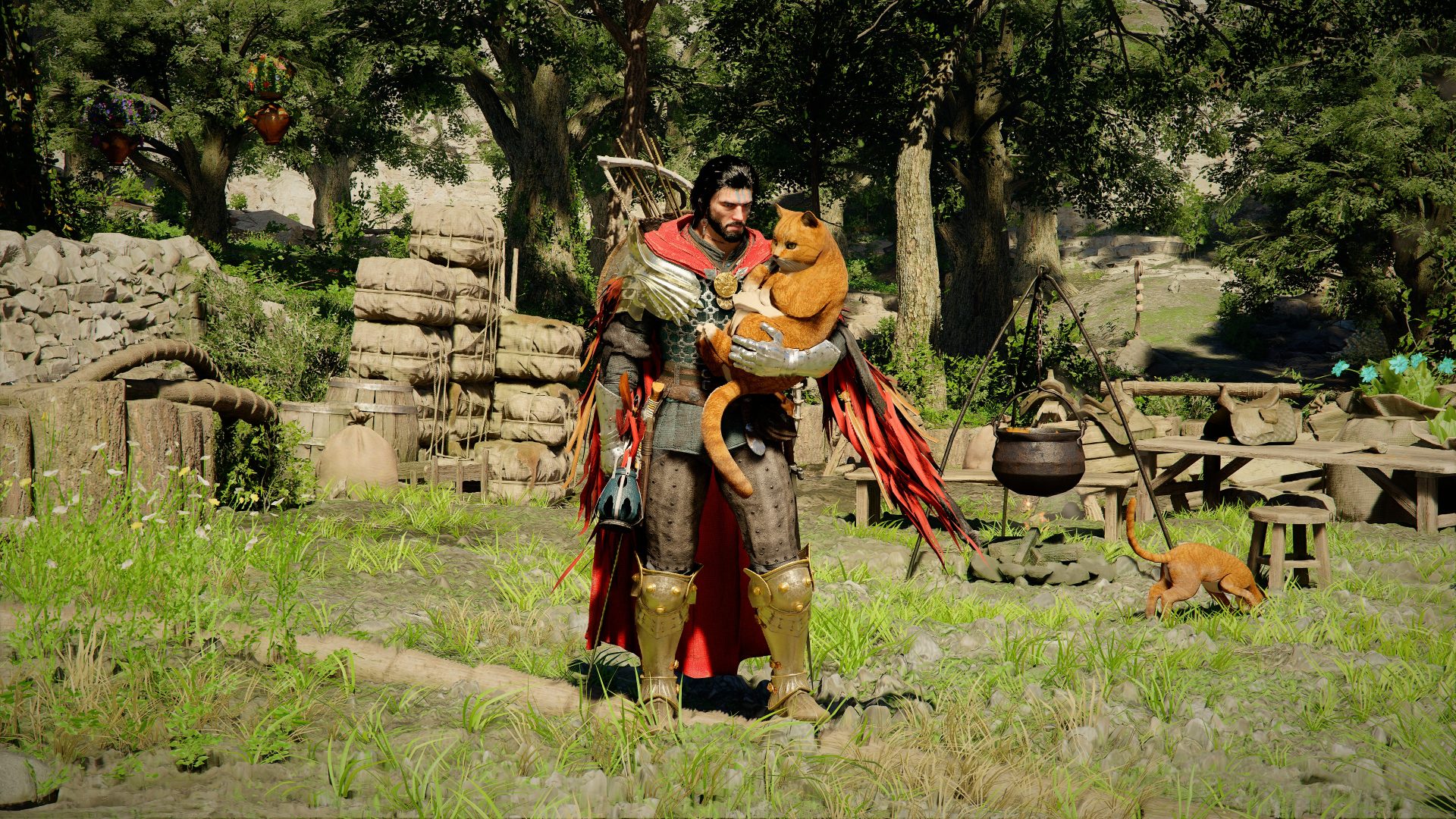
For enthusiasts, this update is a notable step forward. The pinball mode introduces a level of replayability that’s rare in action RPGs, encouraging players to experiment with strategies and master new mechanics. For casual players, however, the value may be less clear. The skill ceiling for pinball could alienate those who prefer a more relaxed experience, making it a feature that appeals primarily to those seeking depth.
Competitors in the action RPG space will need to take note. Crimson Desert’s ability to introduce a mode that blends arcade dynamics with its core gameplay suggests a willingness to experiment—a trait that could redefine player expectations. Whether this shift translates into long-term success remains to be seen, but it signals a growing trend toward hybrid mechanics that merge different genres.
Ultimately, the pinball mode is a calculated risk. It challenges players to engage with the game in new ways while reinforcing its RPG foundation. For those who thrive on mastery and quick reflexes, it’s a welcome addition. For others, it may feel like an unnecessary detour. The question is whether this detour leads to broader appeal or becomes just another novelty.