While most PC hardware vendors are bracing for another year of squeezed margins, Corsair is quietly laughing all the way to the bank. Its latest financial snapshot for 2025 paints a striking contrast to the rest of the industry: revenues up, profits soaring, and a 60% jump in gross profit for its core gaming components—all while the global semiconductor market remains in a vise grip.
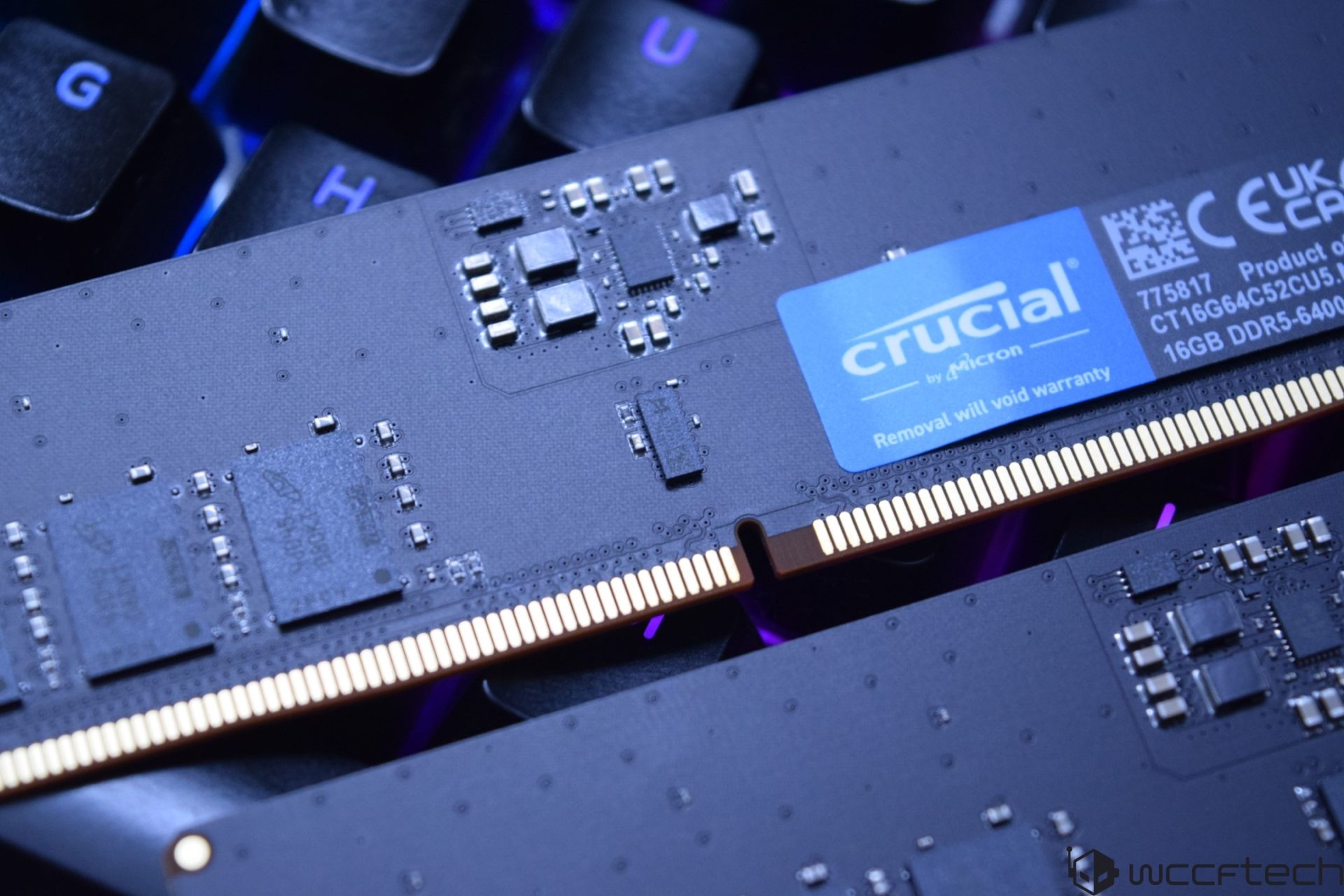
The company’s secret? It outmaneuvered the supply crunch that has left rivals scrambling. Where others are cutting production or hiking prices reactively, Corsair secured DRAM inventory before prices exploded, locking in costs at 2024 levels while selling kits like its 32GB DDR5-6000 Vengeance for $412—a 308% increase from just six months prior. The result? A 86% surge in component profits in Q4 alone, a figure that dwarfs even its peripheral division’s modest gains.
Corsair’s bet on memory wasn’t just luck. The company’s deep vertical integration—controlling everything from chip procurement to final assembly—allowed it to stockpile DRAM chips before shortages tightened. While competitors faced double-digit price hikes on raw materials, Corsair’s cost of goods sold remained relatively flat. The math is brutal for others: a $101 kit six months ago now sells for $412, but Corsair’s per-unit production cost didn’t budge. That margin expansion is visible in the numbers: $980M in component revenue for 2025, with $232M in gross profit—a 60% year-over-year leap that outpaced even its peripheral segment’s 6% growth.
But here’s the catch: Despite the windfall, Corsair still posted a $16M net loss for the year. The culprit? $1.05B in revenue costs and $423M in operating expenses—a brutal reminder that even a memory monopoly can’t offset fixed overhead. The company is already preparing for a 5% revenue drop in 2026, with semiconductor shortages lingering as the primary threat. Peripherals may grow, but components—its cash cow—faces caution.
Corsair’s playbook hinges on two moves: aggressive cost-cutting and capital discipline. The company has signaled it will shrink working capital, tighten margins, and prioritize shareholder returns—language that often precedes layoffs or factory consolidations. Yet memory remains its ace in the hole. With DDR5 prices showing no signs of retreat, Corsair’s strategy could pay off handsomely—if it can outlast the crunch.
- 2025 Revenue: $1.47B total, with $980M from components (up 16% YoY).
- Gross Profit Surge: 60% YoY for components, 86% in Q4 2025 alone.
- Memory Pricing: 32GB DDR5-6000 jumped from $101 to $412 in six months.
- 2026 Outlook: 5% revenue decline expected, with components under pressure.
- Operating Costs: $423M in expenses dragged net income to a $16M loss despite high margins.
The takeaway? Corsair turned a market crisis into a blueprint for others—if they can secure supply before the next wave hits.