Building a PC that fits both your aesthetic vision and functional requirements used to require careful measurements, physical prototyping, and sometimes compromise. Corsair’s latest tool aims to change that by letting users design custom case layouts digitally before manufacturing begins—though whether it delivers on its promise of seamless integration remains an open question.
The platform allows for modular case components, including front panels, side panels, and drive bays, to be configured in a software environment. This isn’t about 3D modeling or rendering; instead, it’s a step-by-step builder that generates a physical case based on user selections. The catch? Corsair hasn’t yet confirmed whether the resulting designs will support standard PC hardware like ATX motherboards or if proprietary mounting systems will be required.
Enthusiasts get flexibility, but at what cost?
- Custom front panels: Users can design unique I/O layouts, including USB-C, HDMI, and audio ports, with adjustable spacing and alignment.
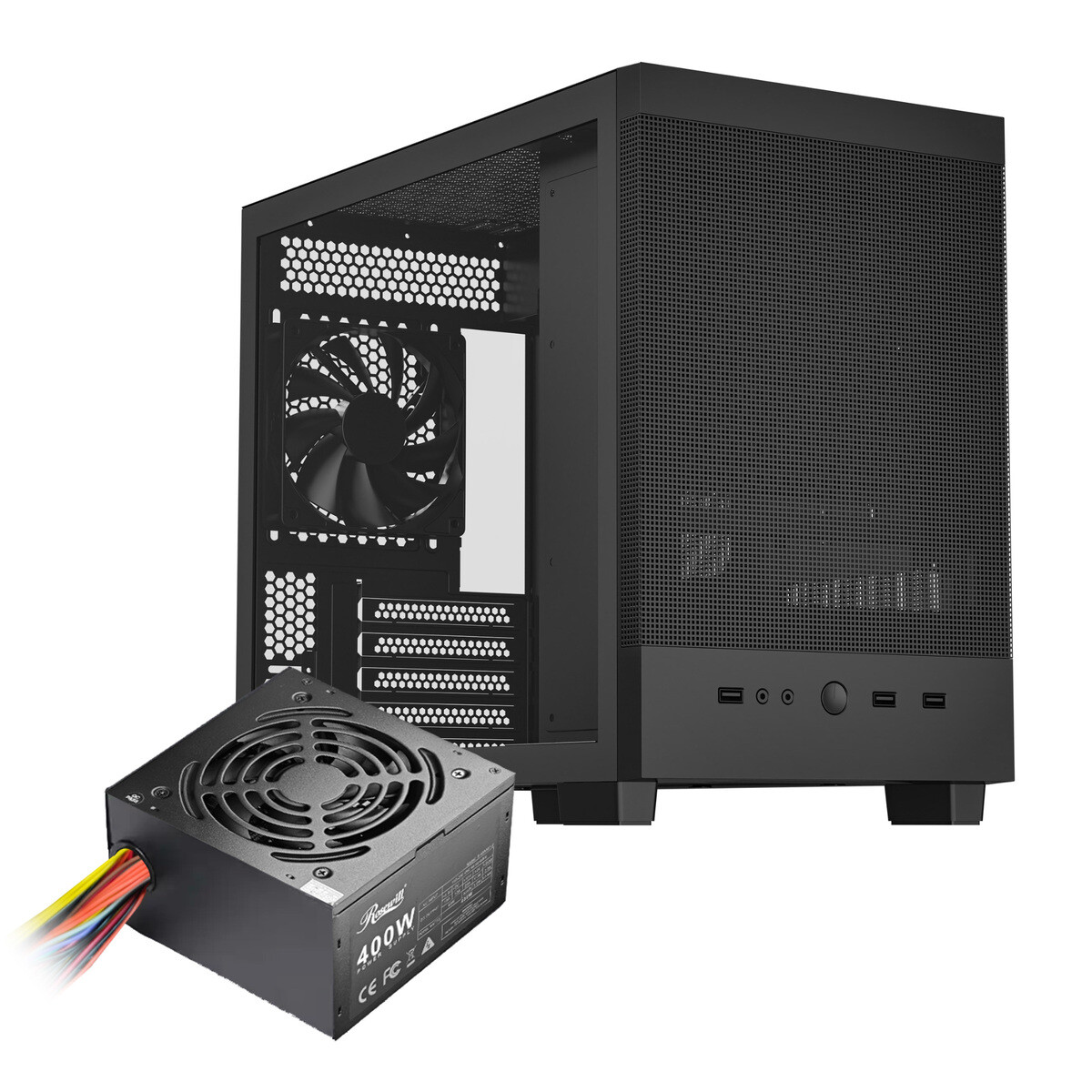
- Modular side panels: Mesh or solid panels can be resized independently, with optional cutouts for cable management or RGB lighting integration.
- Drive bay configurations: Supports 2.5-inch, 3.5-inch, and M.2 drive bays in customizable arrays, though cooling clearance isn’t yet addressed.
The software claims to output manufacturing-ready files for Corsair’s partner factories, but no timeline has been given for when the first physical cases will be available. Early adopters are eyeing this as a way to avoid the ‘off-the-shelf’ look of standard cases, but real-world testing will determine if the structural integrity and cooling performance match the visual appeal.
Everyday users: is this worth the hype?
For most PC builders, especially those prioritizing compatibility over customization, this tool may not offer enough immediate value. Standard cases already provide robust cooling, cable management, and hardware support without requiring a learning curve. The custom builder’s strength lies in niche scenarios—such as data center or workstation builds where form factor consistency is critical—but even there, the lack of confirmed hardware compatibility could be a dealbreaker.
Community reaction has been cautiously optimistic, with some noting that the concept could evolve into a more mature platform over time. Others point out that manual case design still requires deep knowledge of PC internals, which this tool doesn’t address. If Corsair can refine the software to include hardware validation checks and cooling simulations, it might carve out a space in the market. For now, it’s a creative experiment with unproven real-world impact.
The most significant change here isn’t the software itself—it’s the shift toward on-demand case customization as a viable option for PC builders. Whether that shift sticks depends on how quickly Corsair can bridge the gap between digital design and physical reality.