Microsoft has taken its Copilot AI beyond code generation and office automation, embedding it directly into health monitoring workflows. This expansion marks a notable pivot for the platform, which has traditionally focused on developer and enterprise productivity.
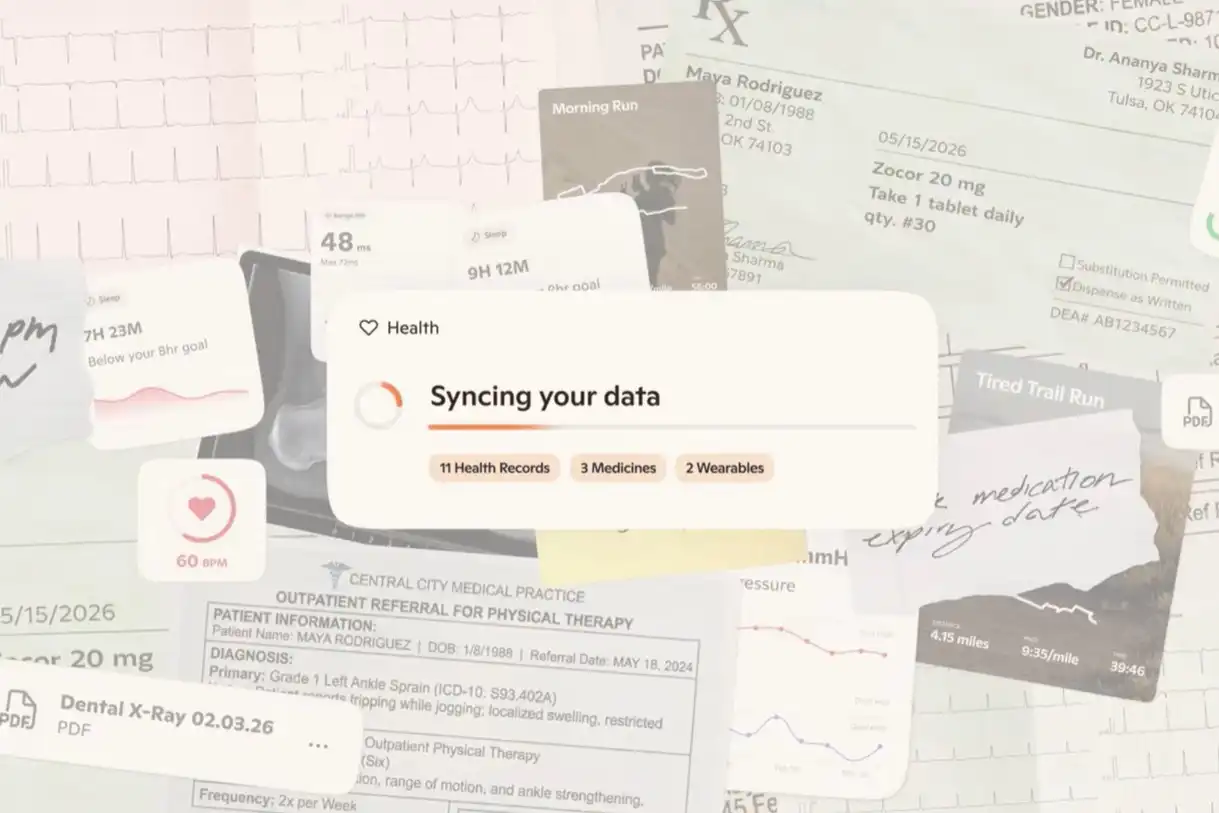
The new capabilities allow users to track vital signs—such as heart rate, blood pressure, and activity levels—through integration with compatible wearables or health devices. While the feature set remains in early testing phases, it introduces a layer of personalization that could redefine how AI assists daily routines, not just professional tasks.
What’s Confirmed
The health monitoring tools are built into Copilot’s interface but rely on third-party data streams. Users can sync metrics from supported devices to receive real-time insights, such as stress levels or sleep quality, alongside traditional productivity analytics like meeting summaries or code reviews.
- Vital tracking: Heart rate, blood pressure, activity metrics
- Device compatibility: Third-party wearables (specific models not yet confirmed)
- Analytics: Stress assessment, sleep analysis, activity trends
Caveats and Constraints
The integration is currently limited to enterprise environments, where Copilot is already embedded in tools like Microsoft 365. This means small businesses or individual users may face delays before accessing the feature. Additionally, while the AI can flag anomalies—such as elevated heart rates during work sessions—it does not replace clinical diagnostics.
Privacy remains a key concern. Data is processed through Copilot’s backend but must comply with existing health privacy regulations, which vary by region. For example, in jurisdictions with strict HIPAA or GDPR requirements, additional safeguards may be necessary to avoid compliance risks.
A Shift in AI’s Role
This expansion reflects a broader trend where AI systems are moving beyond task automation toward holistic user support. Unlike earlier attempts at health-focused AI—often criticized for superficial insights—Copilot’s approach ties wellness metrics directly into productivity workflows, creating a seamless experience.
The real-world impact will depend on two factors: the accuracy of its health analytics and how effectively it balances data privacy with functionality. Enterprises adopting this feature may see immediate benefits in employee well-being programs, but adoption hinges on proving that AI can add value without overpromising clinical precision.
For now, the focus remains on IT teams managing Copilot deployments. They will need to evaluate whether the health layer adds enough utility to justify integration, especially given the potential for data governance challenges. The long-term question is whether this becomes a standard feature or a niche experiment in AI-assisted wellness.