*Clair Obscur: Expedition 33* hasn’t just won—it has dismantled the conventional metrics by which games are measured. With five DICE Awards, including a second consecutive Game of the Year, the title has achieved what no other has: a perfect storm of artistic cohesion, technical innovation, and player engagement. But the real story lies in how its dominance forces developers to confront uncomfortable truths about their own pipelines.
For developers, the game’s Art Direction and Game Direction wins serve as a technical manifesto. Its 19th-century exploration aesthetic—a deliberate rejection of hyper-realism—wasn’t just stylistic; it was a performance-driven choice. The team’s ability to render high-fidelity textures, dynamic lighting, and expansive environments without sacrificing frame rates in an open-world RPG sets a new benchmark for asset optimization. Unlike competitors that prioritize visual spectacle at the cost of stability, Expedition 33 proves that technical excellence and artistic vision can coexist. For mid-tier studios aiming for AAA scalability, this is a critical lesson: Performance isn’t a bug—it’s the first feature players notice.
The game’s Story and Game Direction awards expose another industry blind spot: the death of episodic content. Expedition 33 doesn’t treat its world as a series of disconnected set pieces; it’s a reactive, player-driven ecosystem where choices alter the environment in meaningful ways. This demands a fundamental shift in resource allocation—away from microtransaction-driven design and toward systemic narrative frameworks. The question for developers isn’t whether they can afford such ambition; it’s whether their current workflows are even capable of supporting it.
Administration: Where AI Meets Craftsmanship
For studio executives, the awards send a clear message: AI is not a replacement for human creativity—it’s a tool that must be wielded with precision. The tributes to pioneers like Vince Zampella and Evan Wells, who prioritized creative integrity over algorithmic efficiency, were paired with growing industry pushback against GenAI as a shortcut. While AI-assisted asset generation and procedural design promise speed, Expedition 33*’s wins prove that awards are earned through craftsmanship, not automation. Double Fine’s Lee Petty’s warnings resonate: Executives who treat AI as a talent replacement risk homogenization. The game’s success hinges on cross-disciplinary collaboration—writers, artists, and engineers working in lockstep from day one. For admins, this means rebuilding pipelines to treat AI as an amplifier, not a crutch. The risk isn’t innovation; it’s losing the human touch entirely.
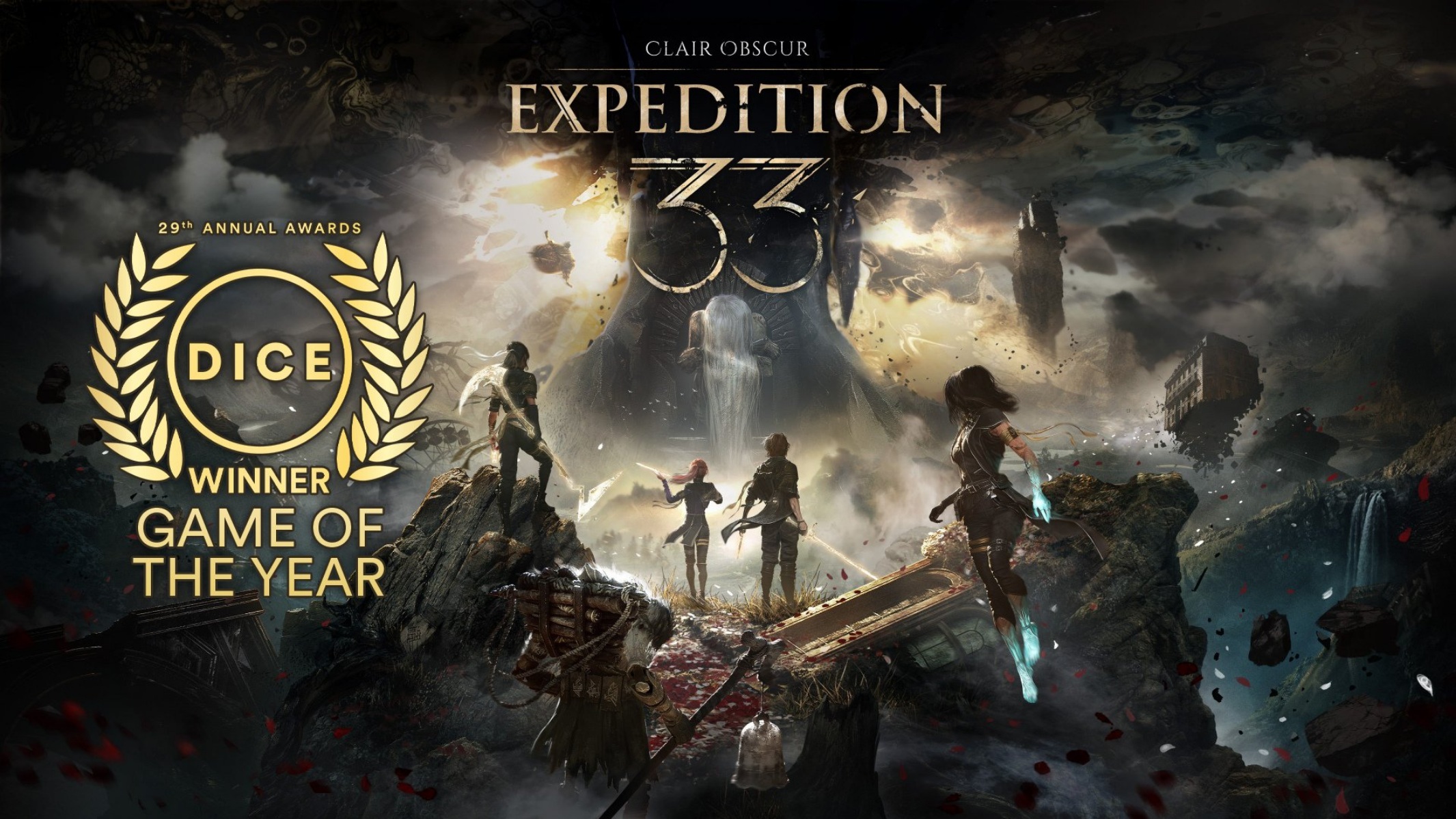
The Art Direction win also serves as a warning: Trend-chasing design leads to stagnation. *Expedition 33*’s 19th-century motif wasn’t a fleeting aesthetic; it was a deliberate artistic statement that aligned with its technical and narrative goals. In an industry obsessed with synthetic visuals and procedural generation, the game’s success proves that originality is still the most valuable currency. For studios, this means resisting the pressure to conform—and investing in long-term creative risk rather than short-term trends.
The Future: Can Others Follow?
The real test for the industry isn’t whether *Clair Obscur: Expedition 33 can repeat its success—it’s whether anyone else can replicate its foundation. The game’s dominance suggests a cultural reckoning: Players no longer tolerate shallow spectacle. They demand depth, reactivity, and authenticity—qualities that require modular storytelling, physics-driven world design, and seamless cross-team workflows. For developers, this means rebuilding their stacks to support dynamic, player-responsive environments. For admins, it means measuring success by sustainability, not just launch metrics.
The challenge is clear: Can studios assemble teams capable of matching *Expedition 33*’s ambition? The answer lies in three critical shifts. First, treating performance as a creative constraint, not an afterthought. Second, integrating AI as a force multiplier for human talent, not a replacement. And third, prioritizing artistic vision over algorithmic efficiency. The DICE Awards didn’t just crown a game—they redrew the blueprint for what’s possible. Whether the industry follows remains to be seen.