Caterpillar is undergoing a significant transformation driven by the integration of advanced technologies, most notably through its collaboration with NVIDIA. The company’s approach focuses on ‘edge AI,’ a paradigm shift that positions powerful processing capabilities directly within heavy equipment and at jobsite locations. This decentralized architecture promises to deliver real-time insights, enhanced operational efficiency, and improved safety protocols – all without the latency associated with traditional cloud-based systems.
At recent industry events, Caterpillar unveiled a comprehensive strategy built around NVIDIA’s hardware and software ecosystem. Key components of this strategy include the deployment of NVIDIA Jetson Thor modules, designed for robust edge computing applications, alongside sophisticated speech recognition models. This combination is intended to unlock a new level of automation and intelligence across a diverse range of industries, initially targeting construction, mining, and materials handling.
The Core of the Strategy: Edge AI’s Advantages
Traditionally, data generated by heavy machinery – sensor readings, operational metrics, audio recordings – has been transmitted to remote servers for analysis. This process introduces delays (latency) that can hinder real-time decision-making and responsiveness. The edge AI approach dramatically reduces this latency by processing data locally. Instead of sending raw data across networks, NVIDIA Jetson Thor modules perform initial analysis directly on the machine or at a localized hub, providing immediate feedback to operators and control systems.
This shift has several critical benefits. Firstly, it enables faster reaction times – crucial for tasks requiring precise movements, dynamic adjustments, and proactive maintenance. For example, an autonomous excavator equipped with edge AI can instantly respond to changes in terrain or material density, optimizing digging performance. Secondly, reduced reliance on network connectivity enhances operational resilience, particularly in remote or challenging environments where internet access may be intermittent or unavailable.
NVIDIA Jetson Thor: The Processing Engine
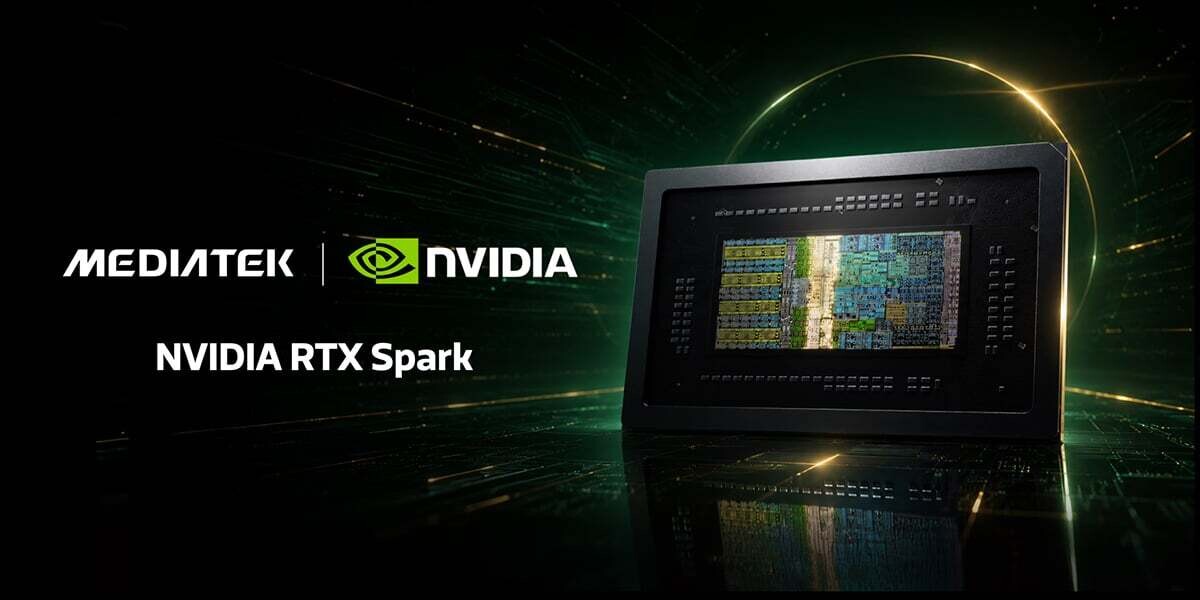
The NVIDIA Jetson Thor module is a cornerstone of Caterpillar’s edge AI strategy. It represents a powerful, ruggedized system-on-module (SoM) designed for demanding industrial environments. These modules are capable of running complex AI algorithms, including deep learning models, in real-time. The Jetson Thor's architecture is specifically tailored to handle the computational workload associated with sensor data analysis, predictive maintenance, and autonomous control.
Furthermore, NVIDIA’s expertise extends beyond hardware. The company provides a comprehensive software platform – NVIDIA AI Enterprise – that simplifies the development, deployment, and management of AI applications on Jetson Thor devices. This includes tools for model training, inference optimization, and monitoring, streamlining the entire process.

Speech Recognition & Intelligent Control
Beyond sensor data analysis, Caterpillar is leveraging speech recognition technology to create truly intelligent machines. NVIDIA’s speech models are integrated into the system allowing operators to control equipment hands-free, issue commands directly through voice, and receive real-time status updates. This capability improves operator safety by minimizing distractions and allows for greater efficiency when performing intricate tasks.
Imagine a scenario where an operator can simply say, “Increase blade depth by 10 percent” while operating a bulldozer. The machine instantly adjusts its settings based on the voice command, optimizing performance in real time.
Applications Across Industries
The potential applications of Caterpillar’s edge AI strategy are vast and span multiple industries. In construction, it can be used for autonomous excavation, volumetric measurement, and site monitoring. In mining, it enables optimized haul truck routing, intelligent drilling operations, and enhanced safety protocols around heavy equipment. Material handling applications include automated guided vehicles (AGVs) with improved navigation and obstacle avoidance capabilities.
Predictive Maintenance & Reduced Downtime
A key element of Caterpillar’s strategy is predictive maintenance. By continuously analyzing sensor data – engine temperature, vibration levels, hydraulic pressure – the edge AI system can identify potential equipment failures before they occur. This proactive approach significantly reduces downtime, lowers maintenance costs, and extends the lifespan of machinery. The NVIDIA platform allows for sophisticated anomaly detection, identifying subtle patterns indicative of impending problems.
Looking Ahead: A Connected Future
Caterpillar’s investment in edge AI represents a fundamental shift towards connected and intelligent equipment. The company is not simply adding sensors to machines; it's fundamentally changing how these machines operate and interact with their environment. As the technology matures, we can expect to see even more sophisticated applications emerge, further transforming the landscape of heavy industries. The combination of robust hardware like NVIDIA Jetson Thor with powerful AI software positions Caterpillar at the forefront of this technological evolution.
The focus on localized processing is expected to drive greater efficiency and safety across a range of demanding operational environments, paving the way for more autonomous and intelligent jobsite solutions.