The latest chapter in Baldur’s Gate 3’s story has landed with a thud—at least for some players. Crimson Desert, the newest expansion pack, is already sparking debates about its approach to gameplay and whether it pushes the series too far into untested territory.
Announced earlier this year, Crimson Desert promises to blend traditional role-playing depth with new mechanics that challenge how players navigate choices, combat, and narrative consequences. Yet from early reactions, it’s clear this isn’t just another incremental update—it’s a deliberate shift in direction for the series, one that leaves some fans wondering if they’ll be left behind.
What’s New?
The expansion introduces several standout features

- Dynamic Choice Systems: Players face branching paths with lasting consequences, altering both character development and world state.
- Expanded Combat Variants: New combat styles and environmental interactions add layers to encounters, though some may find them overly complex.
- Narrative Depth: The story weaves in themes of identity and legacy, but at the cost of slower pacing in key sections.
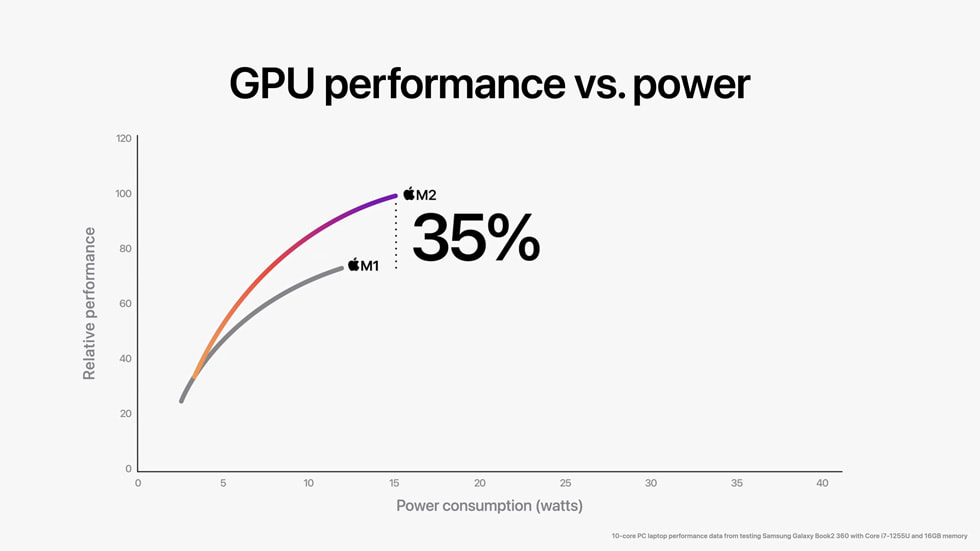
On paper, these additions sound promising. But early benchmarks suggest performance dips under heavier loads, raising questions about whether the experience will be smooth on mid-range hardware—a concern for players already stretched thin by the base game’s demands.
Why It Matters
For IT teams managing gaming workloads, Crimson Desert isn’t just another title to monitor. Its reliance on advanced rendering and dynamic systems means it could strain existing infrastructure, especially in shared environments. Whether the trade-off is worth it depends on how well Larian Studios balances innovation with accessibility.
The bigger question remains: Will this expansion solidify Baldur’s Gate 3 as a long-term powerhouse, or will it leave players craving something more stable? The roadmap suggests more twists are coming, so the stakes couldn’t be higher for those deciding when—or if—to upgrade.