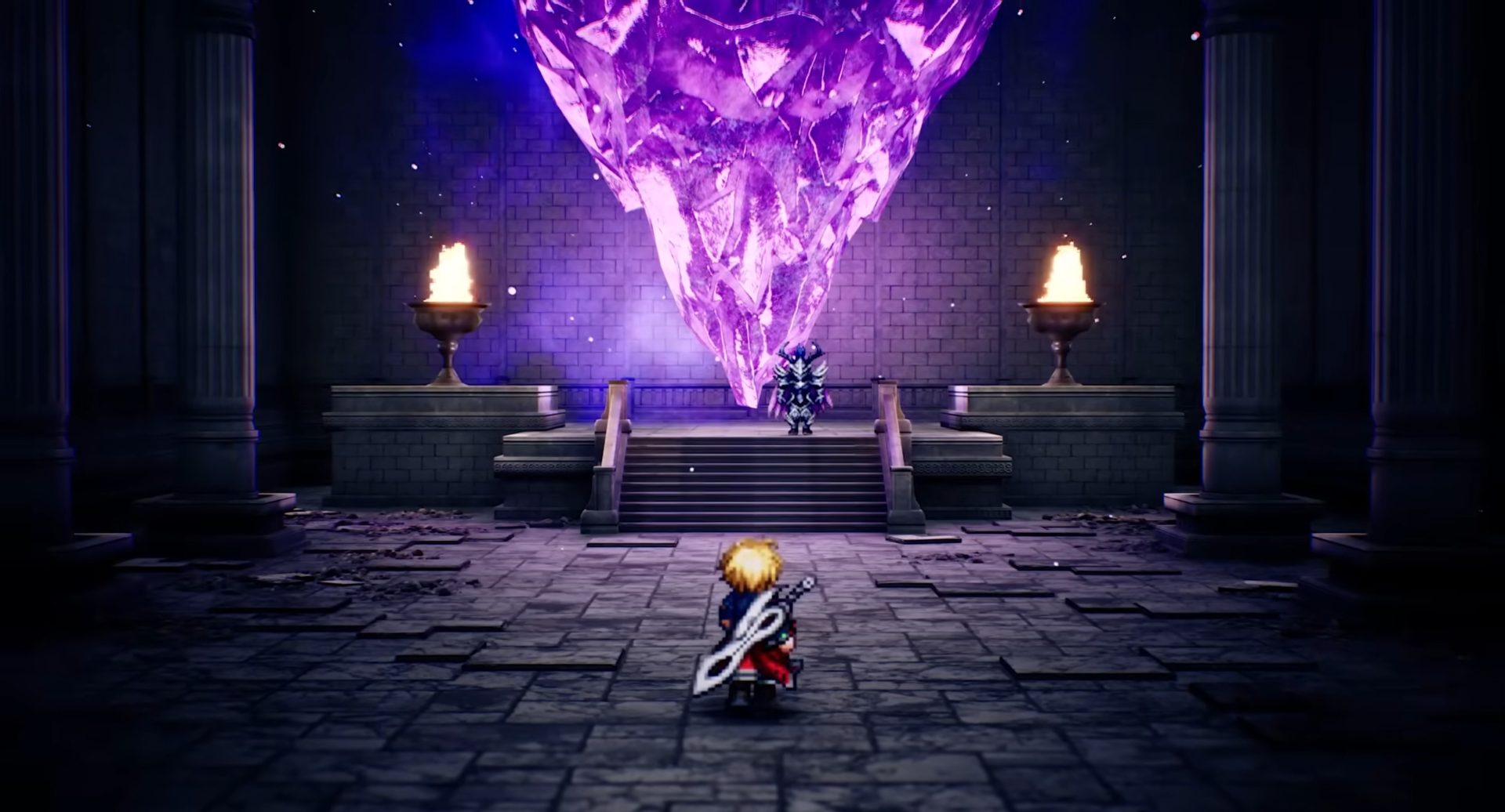
Nintendo’s next-generation console, the Switch 2, is set to redefine how fans experience one of gaming’s most beloved JRPG series. While details remain scarce, a new entry titled Xenoblade Genesis will debut in 2027, marking a fresh start for the franchise while also bringing long-awaited enhancements to the original trilogy.
The Switch 2’s hardware improvements—particularly its ability to output 4K resolution when docked and maintain native 60 FPS performance—will be fully leveraged in these titles. This isn’t just a port; it’s a reimagining of the series, with significant visual and gameplay upgrades that could set a new standard for JRPGs on home consoles.
Monolith Soft, the developer behind the series, has confirmed that all three mainline Xenoblade Chronicles games will receive dedicated Switch 2 Editions later this year. These aren’t minor updates but rather substantial overhauls, featuring new content, refined mechanics, and enhanced visuals to take advantage of the Switch 2’s capabilities.
Key Specifications and Upgrades
- Resolution: Targeted 4K (docked) and 1080p (handheld).
- Performance: Native 60 FPS support across all modes.
- Visuals: Significant improvements in cinematic sequences, including higher-resolution textures and smoother frame rates.
The first game in this reimagined trilogy, Xenoblade Chronicles: Definitive Edition, is already available digitally, with a physical release expected soon. It introduces a new high-speed traversal vehicle, expanding the series’ signature open-world exploration. The second and third entries will follow later in 2026, each bringing additional content—such as controllable Blades in Xenoblade Chronicles 2 and new combat challenges and Hero Quests in Xenoblade Chronicles 3.
The Switch 2’s launch has already generated buzz, but the announcement of Xenoblade Genesis adds another layer of anticipation. With a lineup that includes high-profile titles like Final Fantasy VII Revelation and potential revivals of classic franchises, 2027 could become a landmark year for JRPG fans. For now, the focus remains on the Switch 2’s ability to deliver these experiences without compromising portability or performance.
The real question is whether this will push other developers to adopt similar upgrades for their own titles—or if platform lock-in becomes an even bigger concern for players invested in the Switch ecosystem. Only time will tell, but one thing is clear: Nintendo has set a high bar for what’s possible on its next-gen hardware.