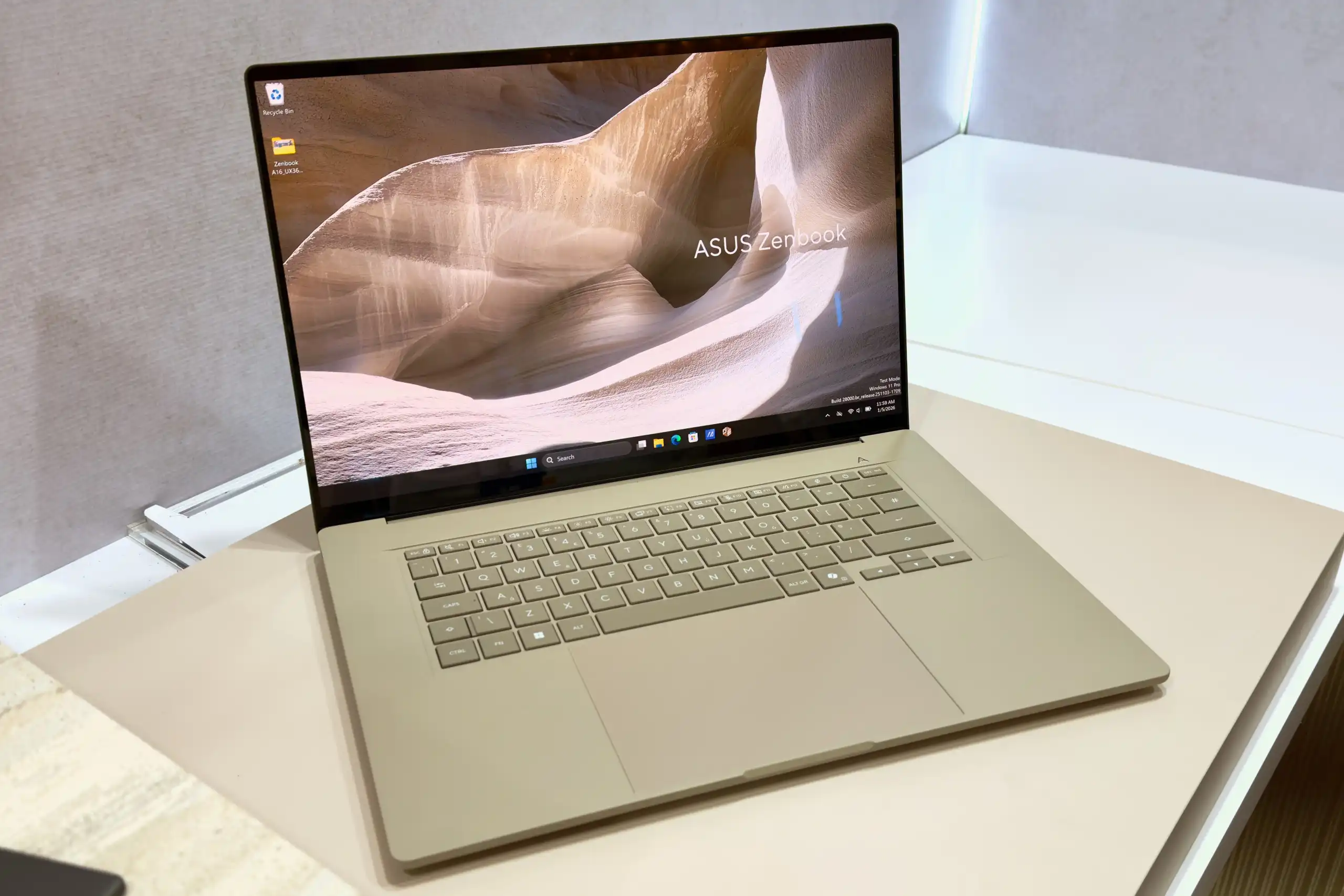
The ASUS ZenBook 14X OLED arrives with a bold promise: high-end performance that doesn't compromise on portability. What enterprise users might expect is a seamless balance between power and price, where advanced hardware translates directly into productivity gains without long-term cost penalties. Instead, they encounter a device that pushes boundaries in processing and display technology while simultaneously testing the limits of market affordability.
This iteration introduces significant upgrades over its predecessors. A 14-inch 2880x1800 OLED panel with 120Hz refresh rate serves as the centerpiece, paired with Intel's Core Ultra 7 processor (up to 3.6GHz) and up to 56GB of LPDDR5X memory (240GB/s bandwidth). The system also includes up to 2TB PCIe 4.0 SSD storage, ensuring fluid performance for complex workloads. Thermal management has been overhauled with a vapor chamber design, aiming to mitigate the 180W TDP's impact on sustained performance.
- Display: 14-inch 2880x1800 OLED, 120Hz refresh rate, Dolby Vision, HDR10+
- Processor: Intel Core Ultra 7 (up to 3.6GHz)
- Memory: Up to 56GB LPDDR5X (240GB/s bandwidth)
- Storage: Up to 2TB PCIe 4.0 SSD
- Graphics: Intel Arc Graphics, up to 180W TDP
- Battery: 57Wh capacity with 65W fast charging (90% in ~35 minutes)
- Ports: Thunderbolt 4 (USB-C), HDMI 2.1, USB-A, microSD card slot, dual speakers
- Chassis: 1.3kg magnesium alloy construction
The hardware delivers on enterprise requirements with impressive brightness levels and color accuracy, while the lightweight design maintains ASUS's reputation for portability. However, the immediate price adjustment—just days after launch—introduces a critical variable that buyers must now factor into their calculations.
Performance Expectations vs. Market Reality
One assumption is that premium pricing should correlate with long-term cost savings through efficiency and upgrade flexibility. The ZenBook 14X OLED challenges this by prioritizing immediate performance metrics over battery longevity or future-proofing. While the 57Wh battery supports rapid charging (90% in approximately 35 minutes), real-world usage patterns suggest it may not match the endurance of thinner ultrabooks with lower TDP processors.
Enterprise deployments will also encounter practical limitations. The absence of an integrated 4G/LTE module means cellular connectivity requires external adapters, potentially complicating fleet management in environments where stable Wi-Fi cannot be guaranteed. Additionally, the omission of a built-in webcam—a standard feature in business-grade laptops—narrows its suitability for remote collaboration scenarios without additional accessories.
The Price Performance Dilemma
The device positions itself as a mid-range powerhouse, but the aggressive pricing strategy creates a paradox. For users who demand peak performance without display quality compromises, it remains a viable option. However, those prioritizing cost efficiency may find better value in competitors offering similar OLED displays with processors that maintain strong performance while operating at lower TDP levels.
This forces buyers to reconsider traditional value propositions. Is the premium justified when competitors are tightening their own margins? The answer will depend on how ASUS maintains its reputation for build quality and innovation in subsequent iterations, particularly as market pressures continue to reshape enterprise laptop expectations.