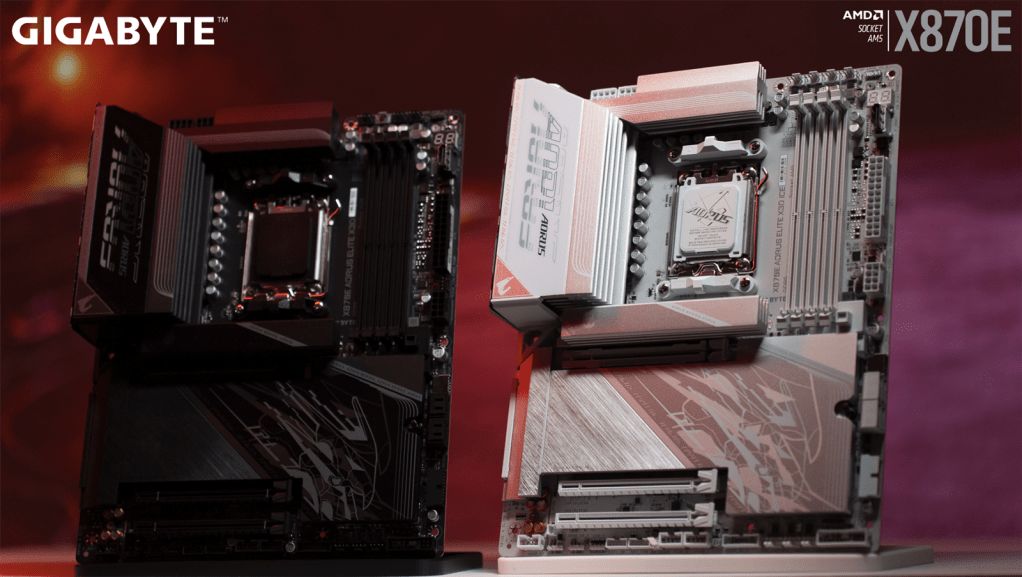
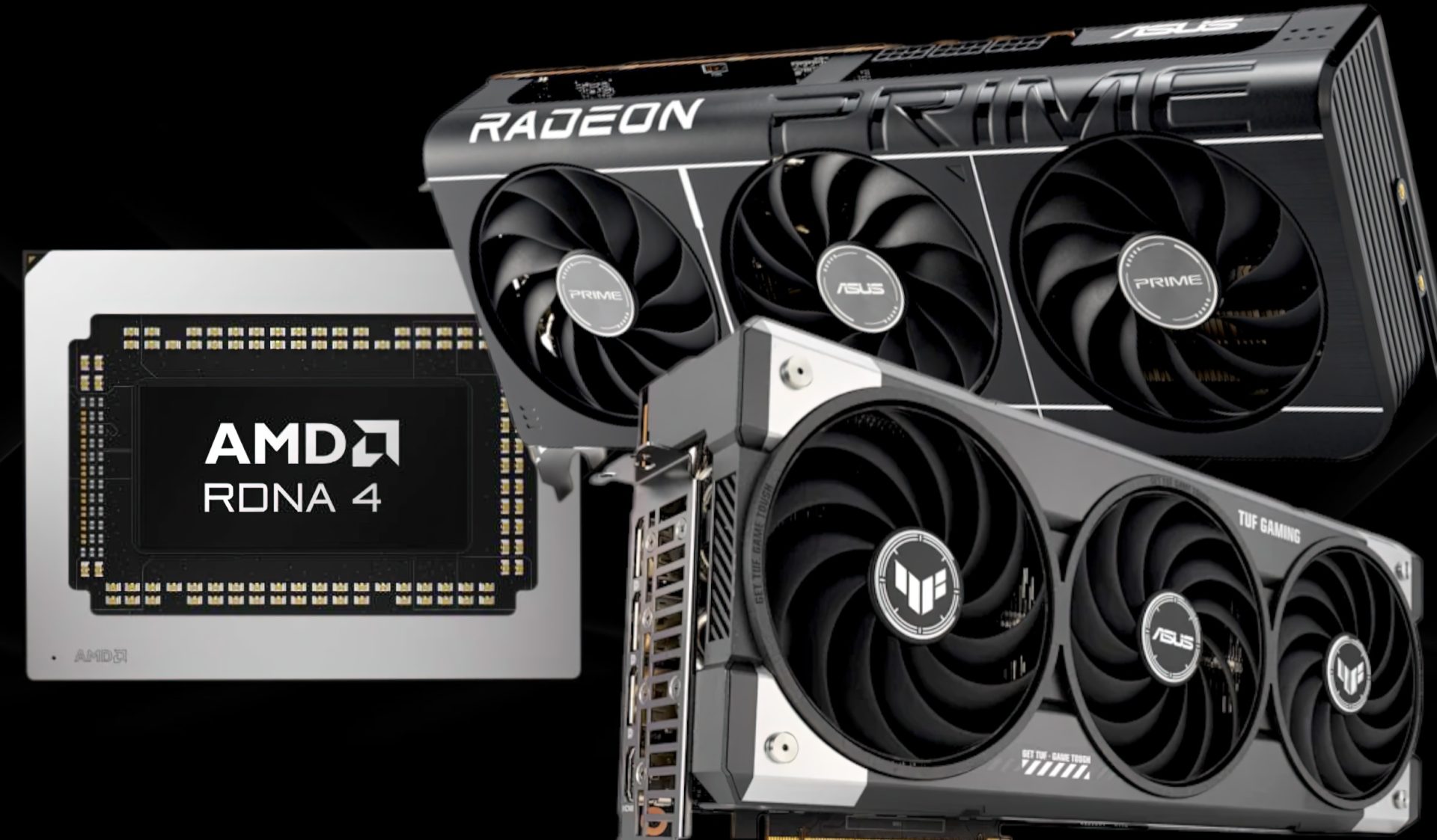
An ASUS X870 motherboard, running a beta BIOS update, now supports a future AMD Ryzen CPU—likely either the Ryzen AI 400 series or the long-awaited Ryzen 9 9950X3D2. This change, built on AGESA 1300a firmware, suggests ASUS is preparing its X870E and X870 motherboards for next-generation processors, expanding the AM5 ecosystem with more performance options.
The Ryzen AI 400 series, if confirmed, would bring a significant upgrade over current Zen 4-based APUs. Featuring up to 8 Zen 5 cores and 8 RDNA 3.5 iGPU cores, these processors are designed for efficiency with a 65W TDP, making them ideal for compact builds without sacrificing performance.
Alternatively, the Ryzen 9 9950X3D2 could emerge as a powerhouse for high-end workloads. Rumors indicate it may pack dual 3D V-Cache CCDs, delivering up to 128 MB of X3D cache and a total of 192 MB across its 16 cores and 32 threads. While AMD has yet to officially announce this CPU, the BIOS update hints at its imminent arrival alongside the Ryzen 7 9850X3D.

Key Specifications
- Ryzen AI 400 Series: Up to 8 Zen 5 cores, 8 RDNA 3.5 iGPU cores, 65W TDP.
- Ryzen 9 9950X3D2 (rumored): 16 cores, 32 threads, up to 128 MB X3D cache, 192 MB total cache.
The BIOS update is currently in beta and has been rolled out to a range of ASUS X870 motherboards, including models like the ROG CROSSHAIR X870E HERO and TUF GAMING X870-PLUS WIFI. If stabilized, this firmware could become widely available within weeks, first for X870E/B850 boards, followed by X670E/B650 models.
Compatibility Considerations
For IT teams evaluating the AM5 platform, this update introduces a new layer of flexibility—but also potential compatibility risks. While the Ryzen AI 400 series would cater to users prioritizing efficiency and integrated graphics, the Ryzen 9 9950X3D2 would target high-performance workloads like rendering or gaming. However, the lack of official confirmation on either CPU means teams should proceed with caution, ensuring their infrastructure can adapt if AMD shifts its roadmap.
This BIOS update reflects a broader trend: ASUS and other motherboard manufacturers are future-proofing their products to accommodate AMD's evolving architecture. Whether it’s Zen 5 or the next leap in RDNA, these changes ensure that IT teams have more options—provided they stay ahead of the curve.