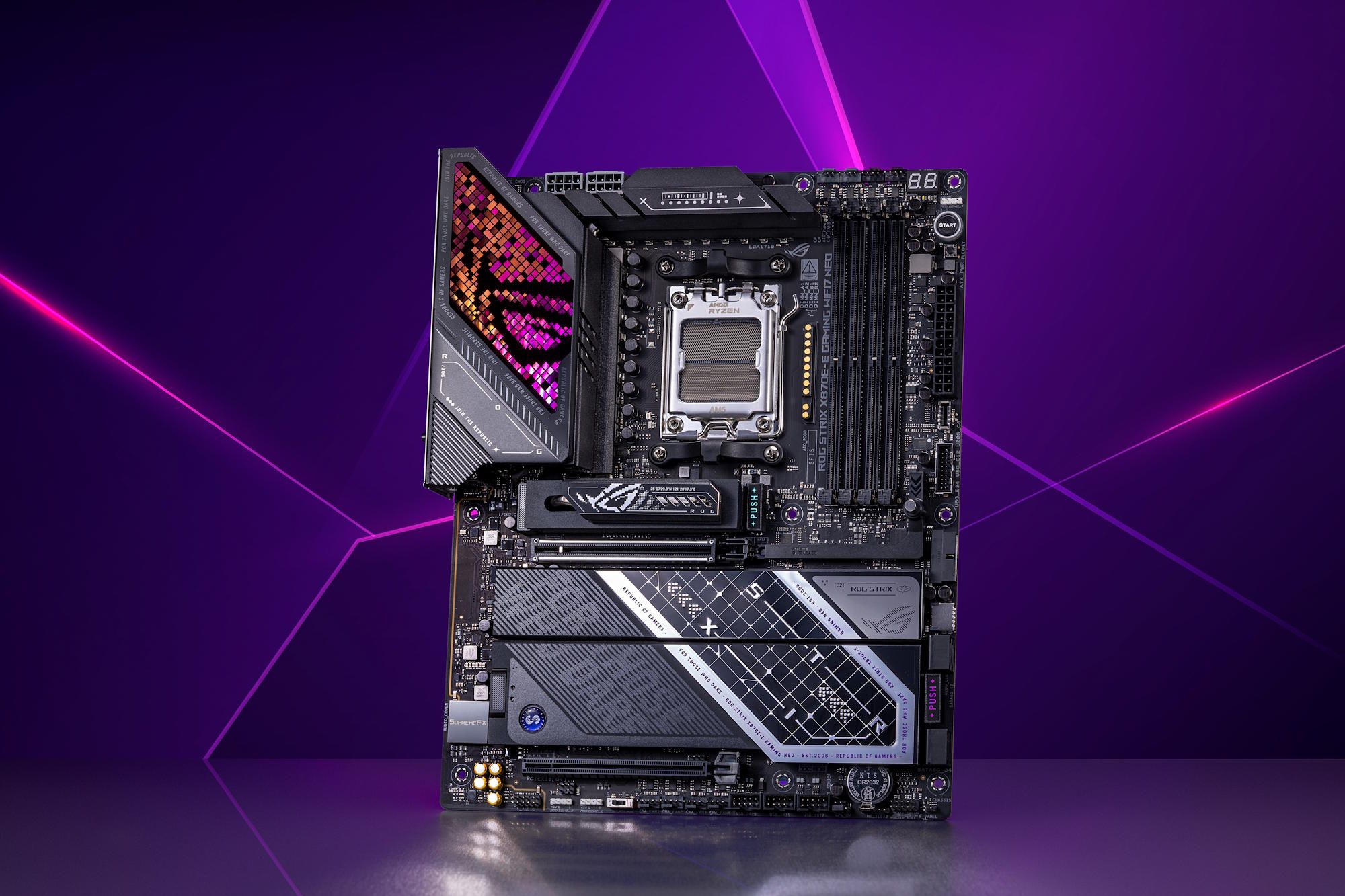
ASUS has rolled out beta BIOS updates for its AM5 800-series motherboards, integrating AMD’s latest AGESA 1.3.0.0a firmware. The move follows similar updates from ASRock and comes as motherboard vendors scramble to address growing concerns over Ryzen 9000 CPU failures on 800-series platforms.
The new BIOS versions—2101 for the X870/X870E series and 1640/1641 for the B850 lineup—are now available through ASUS’s official support channels and the ROG Forums. Unlike ASRock’s recent release notes, ASUS hasn’t detailed specific fixes, but the inclusion of AGESA 1.3.0.0a suggests a focus on stability improvements, particularly for systems experiencing dead CPU symptoms.
What’s Changing—and What Isn’t
While the updates are labeled as beta, they mark the first official ASUS response to the persistent Ryzen 9000 failure reports that have plagued 800-series motherboards since launch. The lack of transparency from AMD and its partners—including ASUS—remains a critical gap. Without confirmation on the cause of the failures or the exact mitigations in the firmware, users are left relying on speculative fixes.
ASUS’s update follows ASRock’s recent BIOS release for both 600-series and 800-series boards, though the vendor’s approach to 600-series support remains broader. The Ryzen 7 9800X3D and Ryzen 7 9850X3D, both hitting a peak clock speed of 5.6 GHz, continue to stand out in benchmarks, but their long-term reliability on 800-series platforms remains unproven.
Stability Over Features: A Necessary Trade-Off?
The Ryzen 9000 series, particularly the 9800X3D and 9850X3D, has been praised for its gaming performance, but the underlying AM5 platform’s stability has come under scrutiny. The new AGESA update may address power delivery or memory controller quirks, but without AMD’s official explanation, users face an uneasy balance between urgency and caution.
For now, the updates are limited to beta status, meaning stability isn’t guaranteed. ASUS and AMD’s collaboration on the issue remains opaque, leaving enthusiasts and professionals to weigh the potential benefits against the risk of untested firmware.
Who Should Update—and Who Should Wait?
Users experiencing CPU failures on AM5 800-series motherboards may find the updates worth testing, but those relying on production systems should proceed with caution. The lack of a clear roadmap for further fixes raises questions about whether this is a temporary patch or the beginning of a broader solution.
ASUS’s move underscores the broader industry challenge: high-performance CPUs like the Ryzen 7 9850X3D (with its 5.6 GHz peak) demand robust platform support, yet the AM5 ecosystem’s maturity is still being tested. Until AMD and its partners provide clarity, the burden of trial and error falls on users.